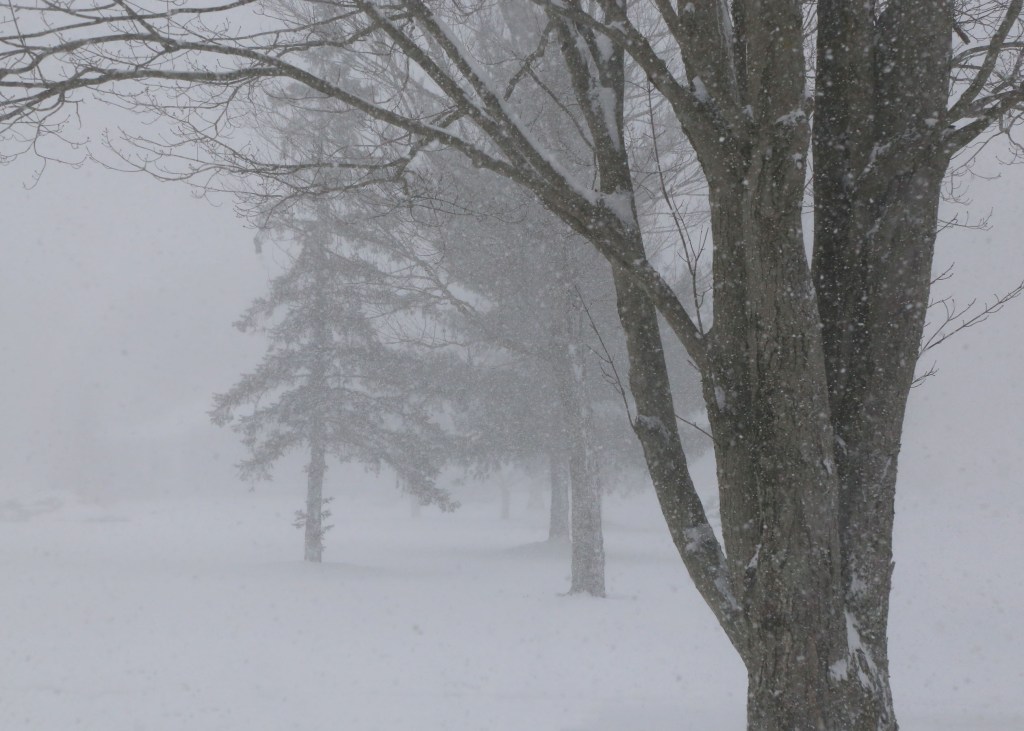
Looking out at the falling snow here in the Northeast United States, a thought comes to mind: “Now is the winter of our discontent.” The thought is accompanied by feelings of sadness, bordering on outrage, about what is happening on streets in many of our cities, and feelings of embarrassment at the behavior of my countrymen in Davos.
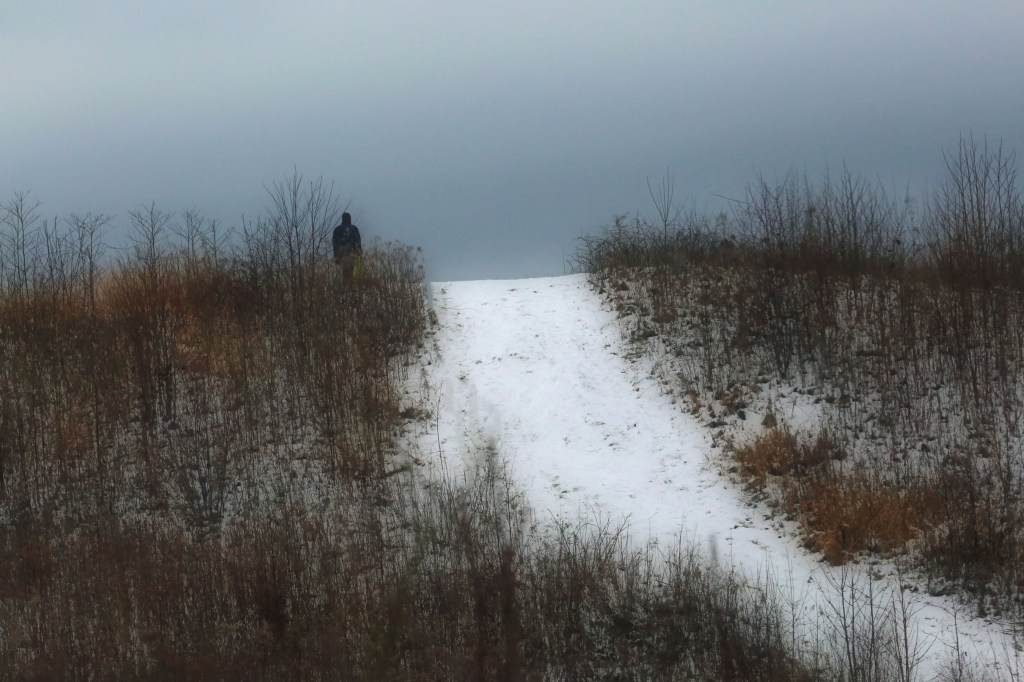
Now is the winter of our discontent
Where did this expression, this quote come from? Margaret Thatcher referred to the “Winter of Discontent” when addressing the British Conservative Party in 1985, but she was borrowing a phrase that had been used during the chaos of a strike in Britain in late 1978. But I doubt that this where the seed of the phrase was planted in my psyche.
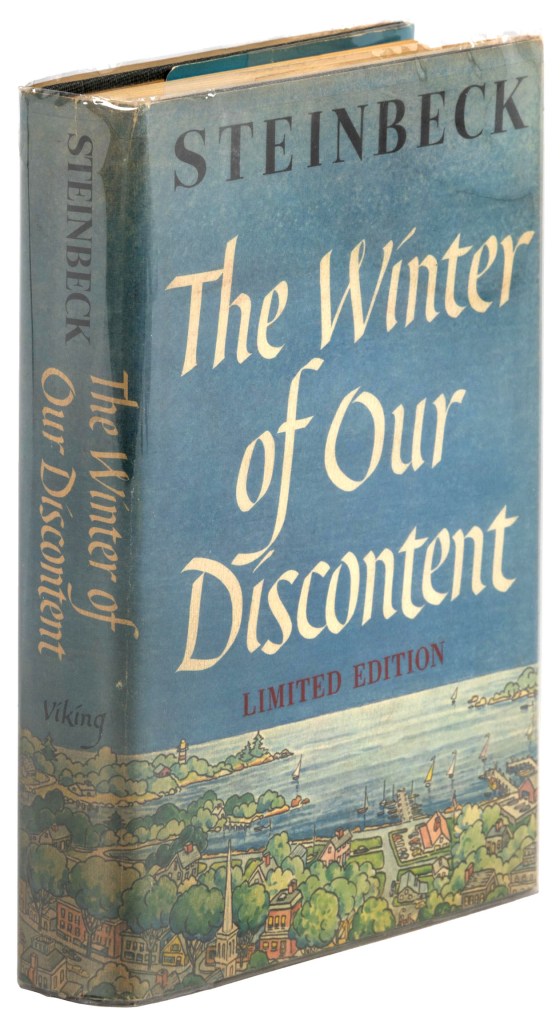
Perhaps I was recalling the final novel written by John Steinbeck in 1961, “The Winter of Our Discontent”.
There is some logic supporting this. The novel tells the story of a man from a once-wealthy family in a corrupt, post WWII American town, as he abandons his integrity for wealth and status, exploring themes of ambition, disillusionment, and the erosion of traditional values, and ultimately questioning the nature of success and self-worth.
As I look out the window, the falling snow blankets the countryside but is insufficient to conceal the moral corruption among some in our country so well expressed by Steinbeck in his novel. But where did Steinbeck find the quote? Now it becomes clear; he borrowed it from another story about ambition, power, and corruption.
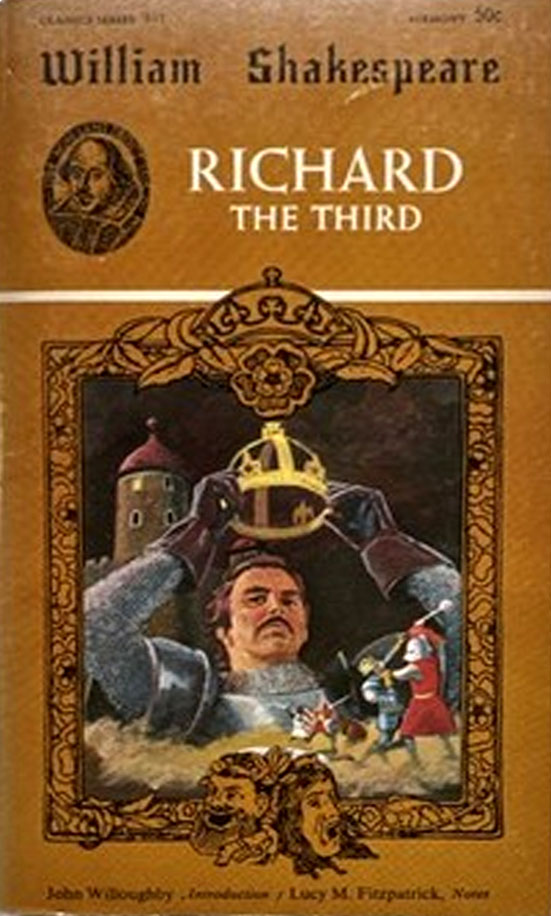
“Now is the winter of our discontent’ starts the soliloquy by the young Richard, in the opening line of Shakespeare’s play, Richard III. It serves as a poignant introduction to his character and the themes of ambition, power, and moral corruption that permeate the play. It highlights the contrast between the external appearance of peace and the internal struggles of those who seek power at any cost. This soliloquy remains one of Shakespeare’s most quoted lines, reflecting its enduring relevance in discussions of political and social dynamics.
The fact that this phrase is among the most famous and most quoted opening lines of any Shakespeare play, probably explains how and why it came to mind as I turned away from the TV news to sadly watch the falling snow.
The phrase has transcended its original context and is often used to describe periods of social or political unrest. So, it is understandable, then, that as I watch the snow falling, falling over our cities, falling over those in hiding, falling over the armed, masked, federal police officers, falling over the protestors braving sub-zero temperatures, and falling over the White House, we find ourselves in a bleak place, the Winter of our Discontent.
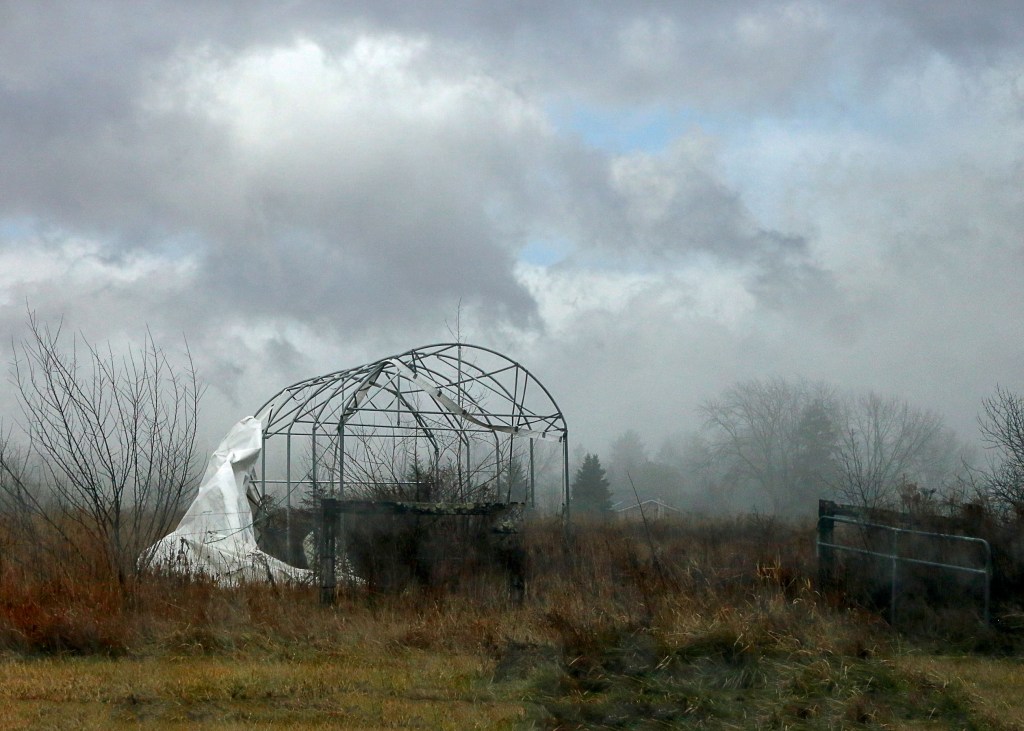
Exposed
 The Final Stretch
A heartfelt post, John. “Now is the winter of our discontent” describes so well the coldness that engulfs us.
LikeLiked by 1 person
We have to ask ourselves “just what has caused the winter of our discontent?”, and there are about as many opinions as there are people.
LikeLike
And home is a distant memory for me also…sigh…
LikeLike
Nicely expressed thoughts. Here in New Zealand we look at the chaos in the US with disappointment at how fast a positive, western, ‘free’ country can change, and how powerless the good, ordinary citizens are to rein in the situation.
LikeLiked by 1 person