Something Red

Like it or not, the color red makes its presence felt. Associated with love or anger, pain or pleasure, it evokes an emotional response.
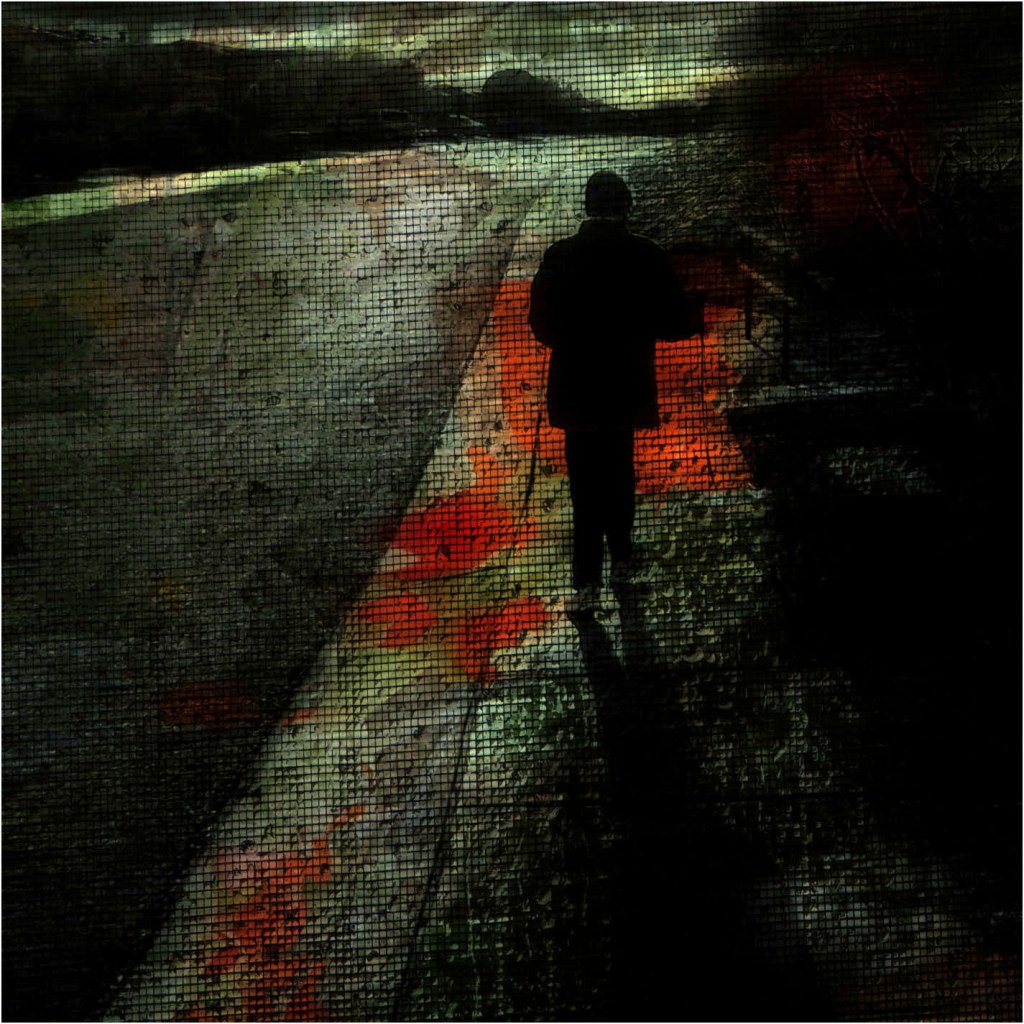
Here, after a fourth spine surgery, Lilian walks towards the setting Arizona sun. There is very little red in this image but, against the darkness of the photograph, it draws our attention to her pain.
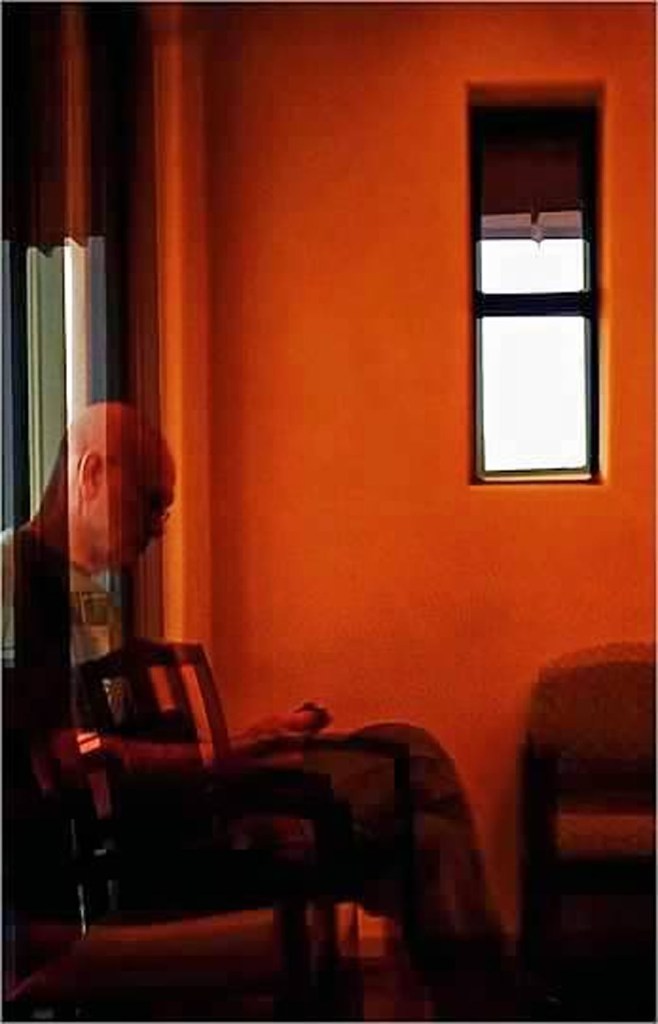
Pain clinics are quite places.
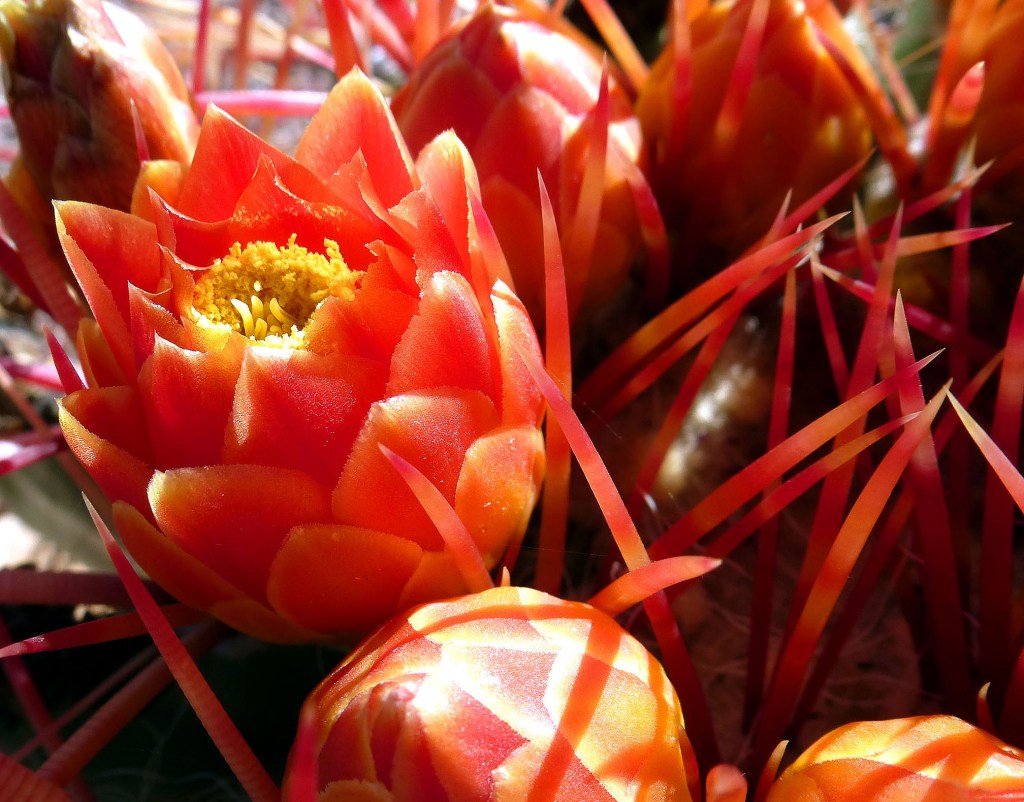
In the desiccating heat of the Sonoran Desert, a Barrel Cactus blooms.
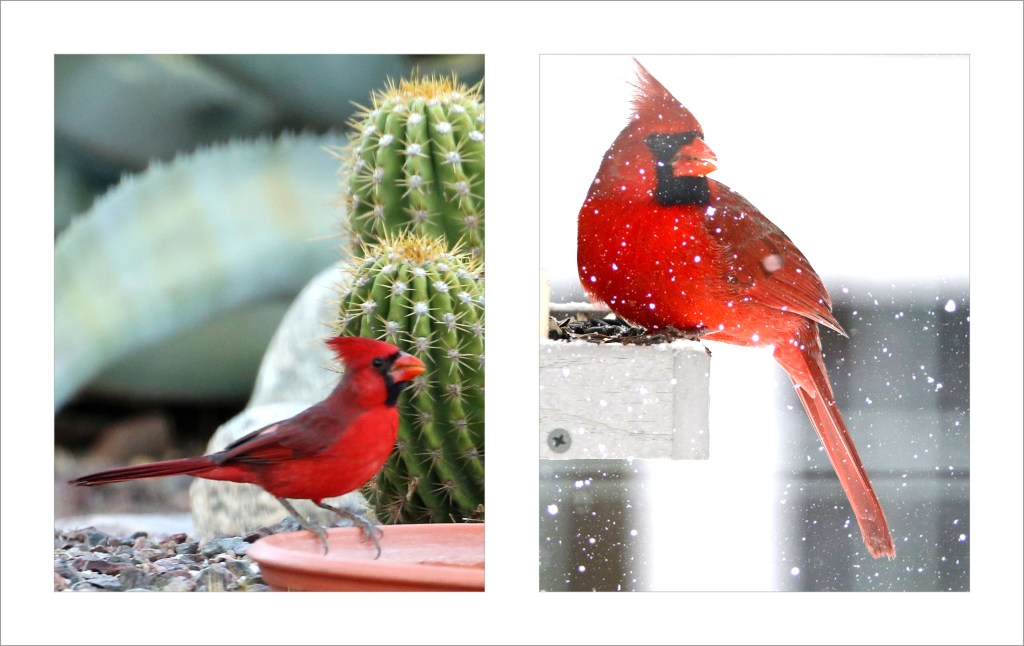
In the desert, we provide water. In the snowy north we fill the feeder with sunflower seed. The cardinal comes to us, a red reward: A living valentine’s card, if you will.
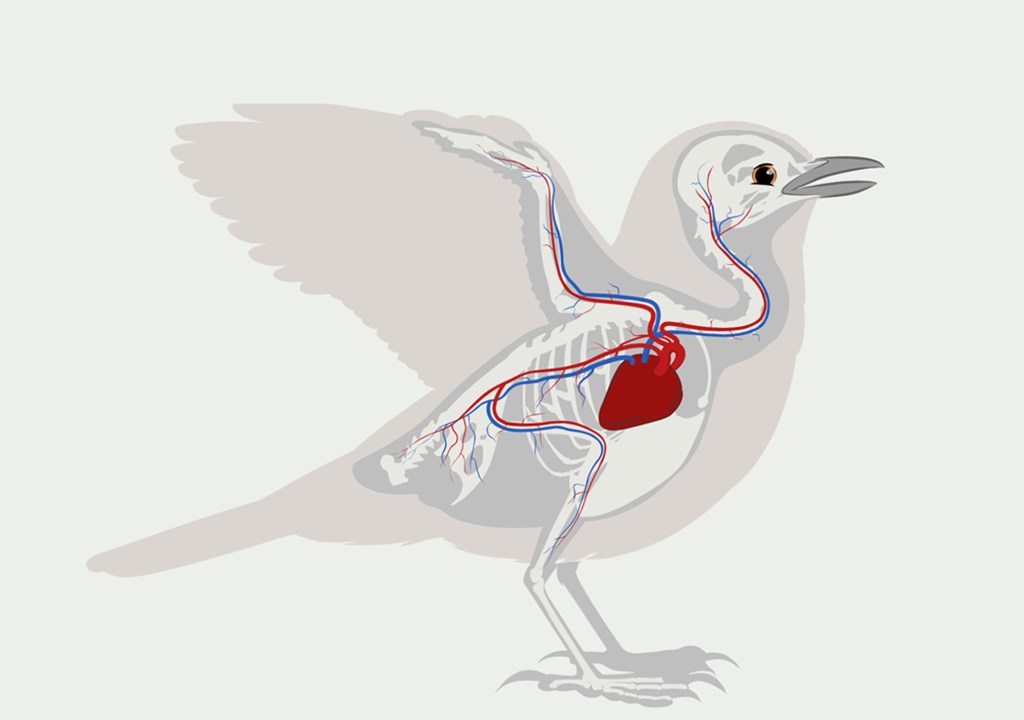
Cornell Lab of Ornithology

Each heart inside each bird, though smaller and faster beating, is similar to ours. And we share in the electro-chemical miracle that produces an electrical current from the movement of sodium, potassium and calcium ions through the heart cells. And these electrical signals keep us alive and keep the birds flying. All of us.
In the image below, there are several colors, black, green and red, but the red stands out.
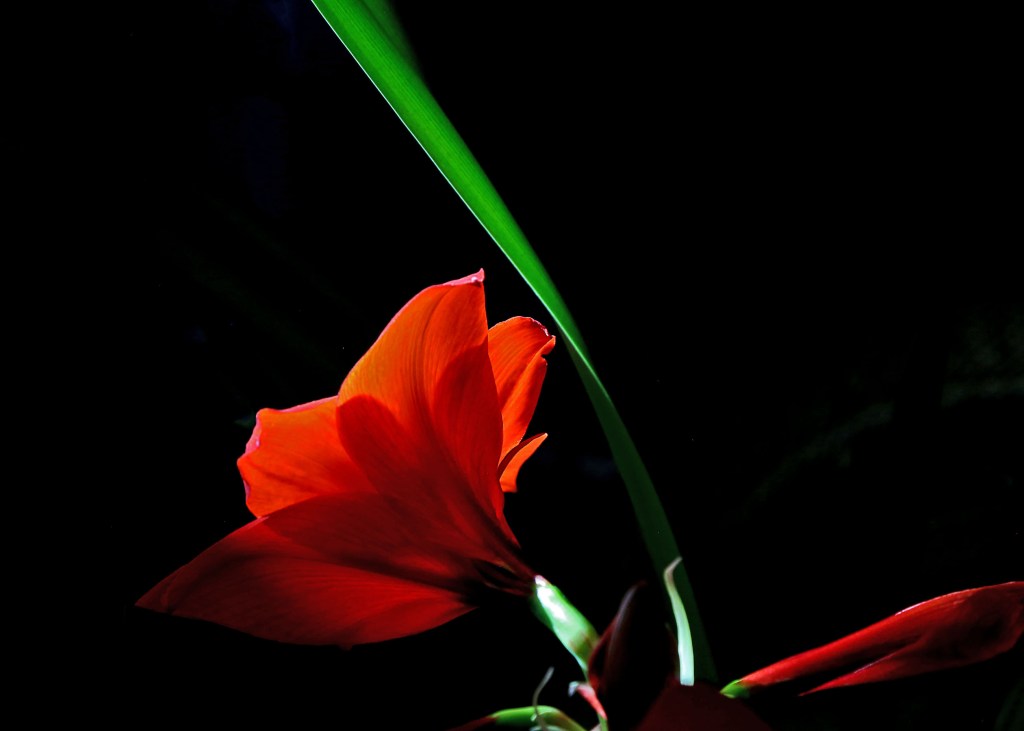
Josef Albers (1888 – 1976) was a prominent figure in color theory and art education. He is most well-known for his work on color perception and interaction. He emphasized that color is a relative medium, influenced by context, light, and surrounding colors as is the case in this image of a red amaryllis.

This amaryllis was a gift in 2025, a bulb in a pot. It flowered in January. In the spring, we planted the bulb the garden then brought it back inside in September. In January 2026 it was in full flower again. Today the flowers are gone and the plant is patiently waiting to be planted back in the garden again when the danger of frost is past.

What do you see in the image below?
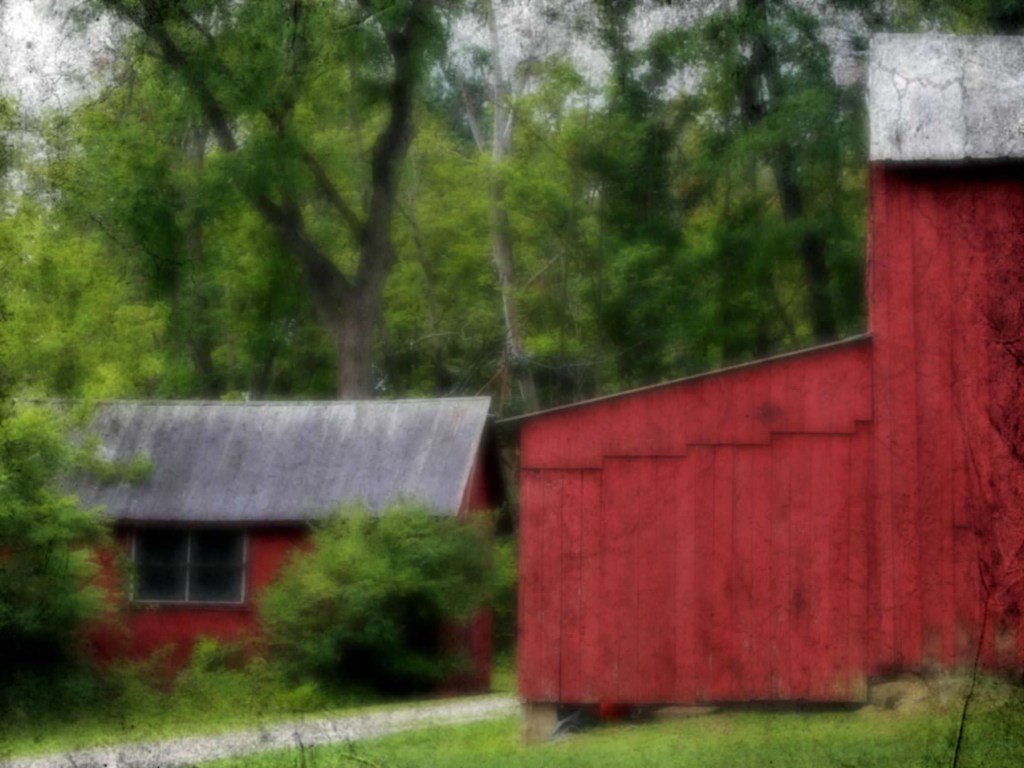
Yes, a red barn and a red shed. Even though there is as much green, we see the red. If a three-month-old infant looked at the scene, what would he or she see? Certainly not a red barn but rather shapes and colors. Perhaps the child would be attracted by the red, as we are. It is sometimes good to imagine seeing in the way of a child.

n the early nineteenth century, a non-objective art form emerged, art that does not attempt to accurately represent a visual reality. It is characterized by the absence of recognizable objects or figures, focusing instead on elements such as color, shape, line, and form to create a purely visual experience for the viewer. Pioneered by artists like Kandinsky and Malevich, the objective of non-objective art was to evoke emotions, sensations, or ideas, independently of the constraint of representational art.


Mark Rothko and Donal Jud are just two contemporary non-objective artists who make frequent use of the color red. It is unsurprising that they and other artists, who goal is to provoke an emotional response to their non-objective work, would work in red.
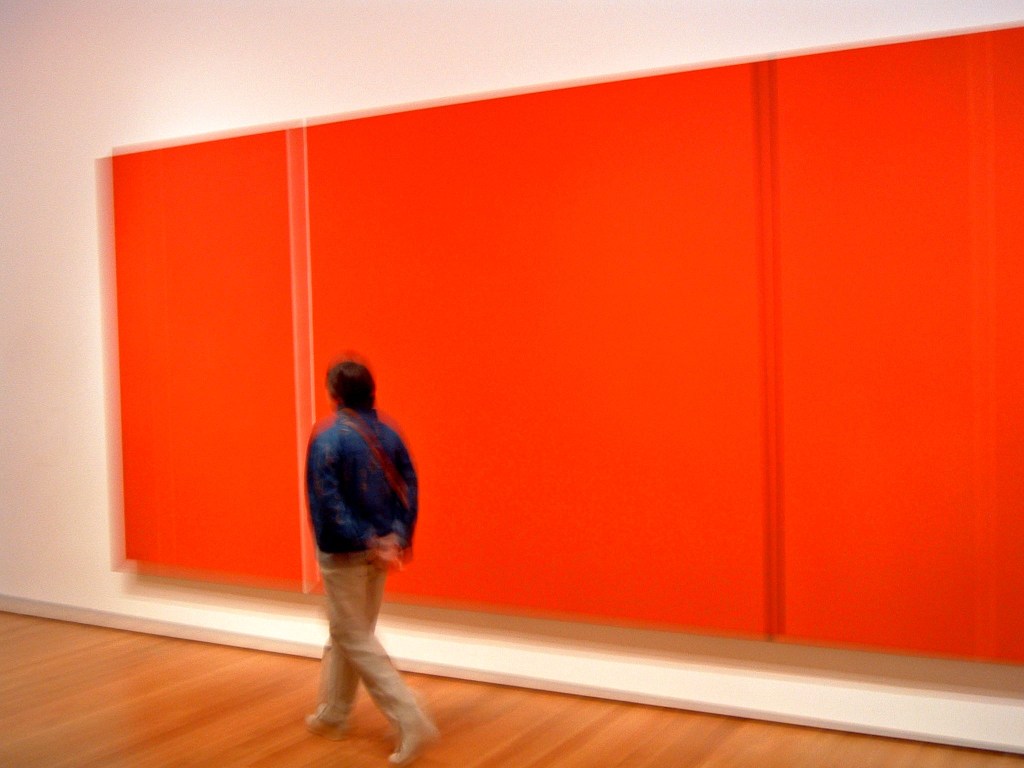
Vir Heroicus Sublimis Museum of Modern Art in New York.

Here is Lil walking past Barnett Newman’s (1950-1951) work at the Museum of Modern Art in New York. Because this work falls into the category of non-objective painting, some would say that it should not be judged but only experienced subjectively. This raises the interesting question of how a museum decides what paintings to add to its collection.

Off the cost of Quepos, Costa Rica

Red sky at night, sailor’s delight.
Red sky in the morning, sailor’s warning
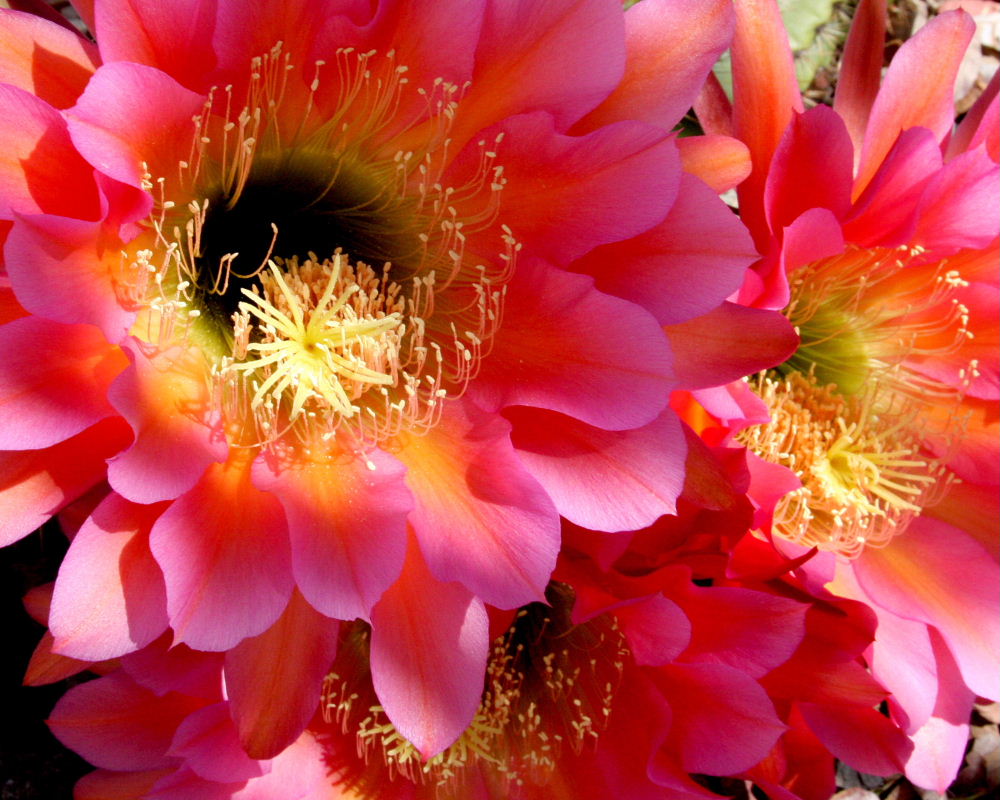
A red flower in the desert blooms.
It blooms for just a day or two.
It blooms for you the passerby
So, pause and look while on the path.
You’ll both be leaving soon.
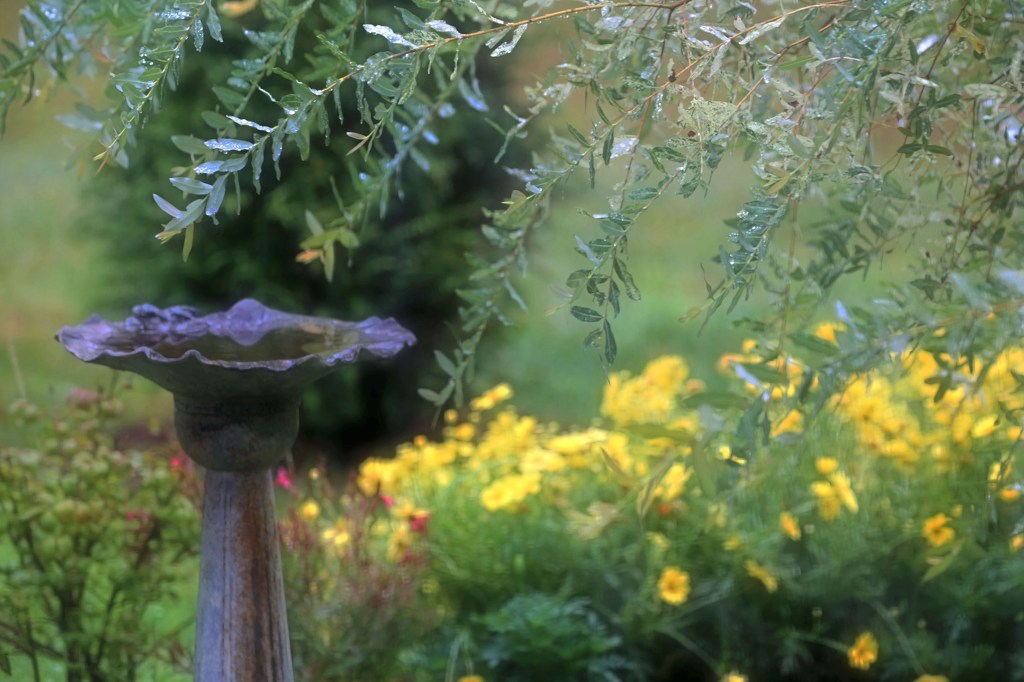
Views from a Chair

Despite the heat and humidity of the last weeks of summer, we look out at a blaze of color in the gardens surrounding our little sunroom.

Yesterday afternoon, sitting with my camera for less than an hour and, without leaving my chair, I took the following photographs. The quality isn’t great: There were reflections in the windows and several of the pictures were taken through window screens. But I wanted to share the sensibility of being surrounded by nature’s beauty on a hot, muggy day.

There are over twenty species of this perennial. In this blurry image seen through the screen window we have a Heliopsis, Tuscan Sun.

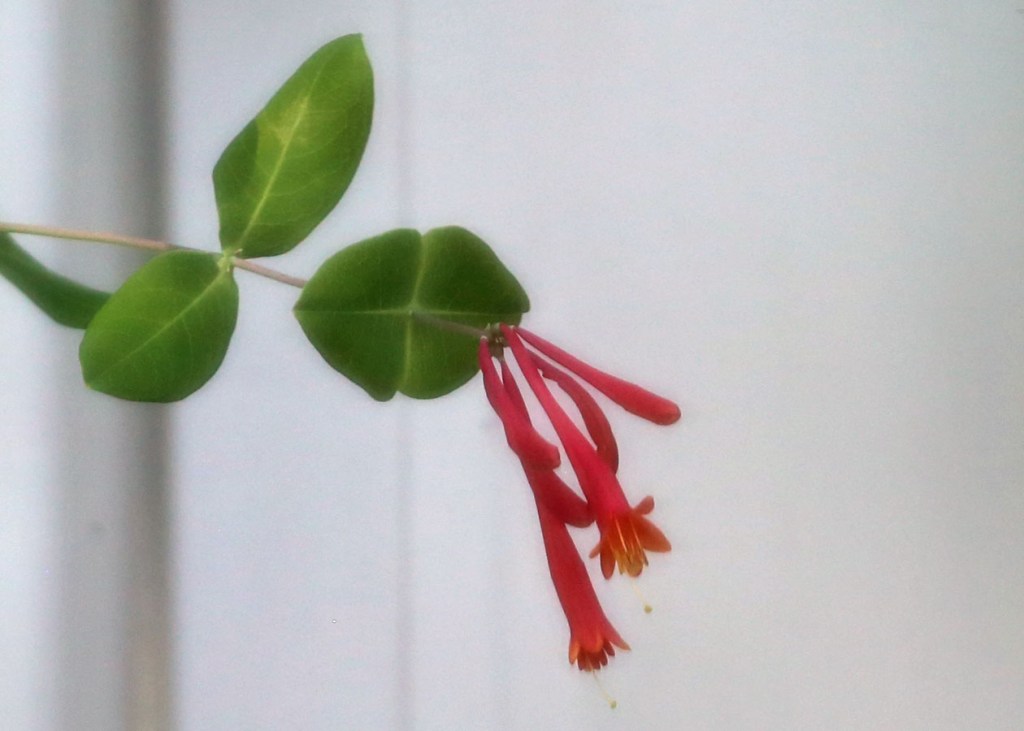
Turning in my chair and looking behind me, I see the Honeysuckle vine against a white wall. Sometimes I may see hummingbirds feasting on the flower’s nectar, but not this afternoon.

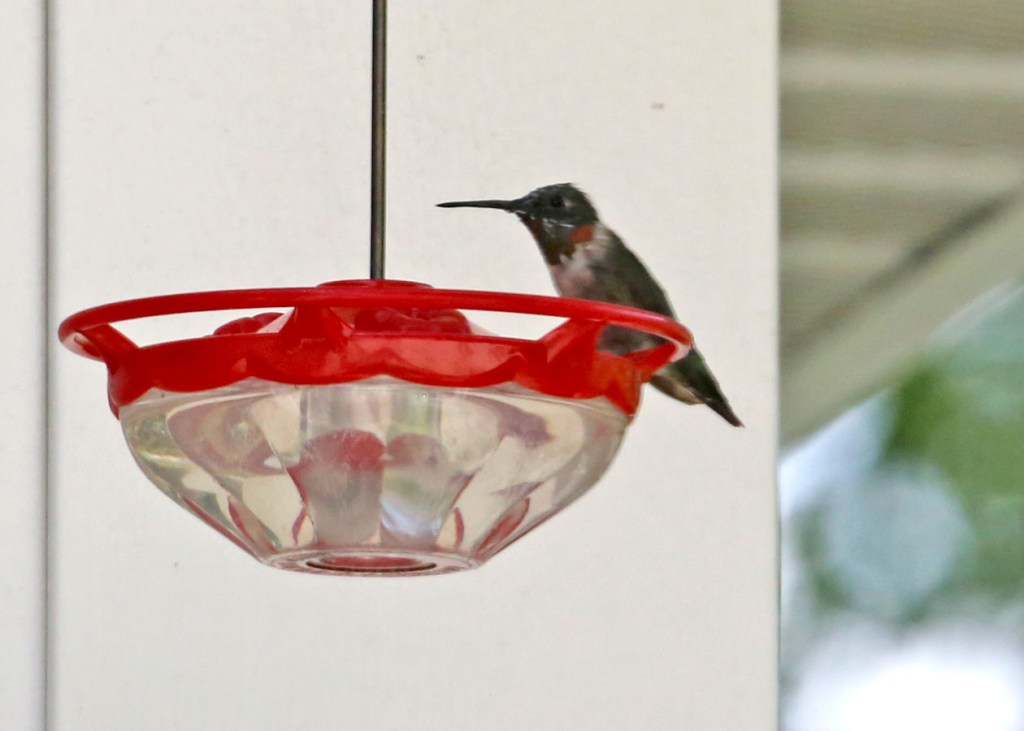
As I look to the front again, I catch a glimpse of the Ruby-throated Hummingbird at our feeder. Even though our garden has honeysuckle, verbena and monarda, our summer visitor will often take the line of least resistance by taking nectar from our feeder. In fact, if the feeder runs low on sugar-water, the hummingbird will sometimes hover just outside the window to remind us to fill it. Like the butterflies, the hummingbirds will soon be flying south.

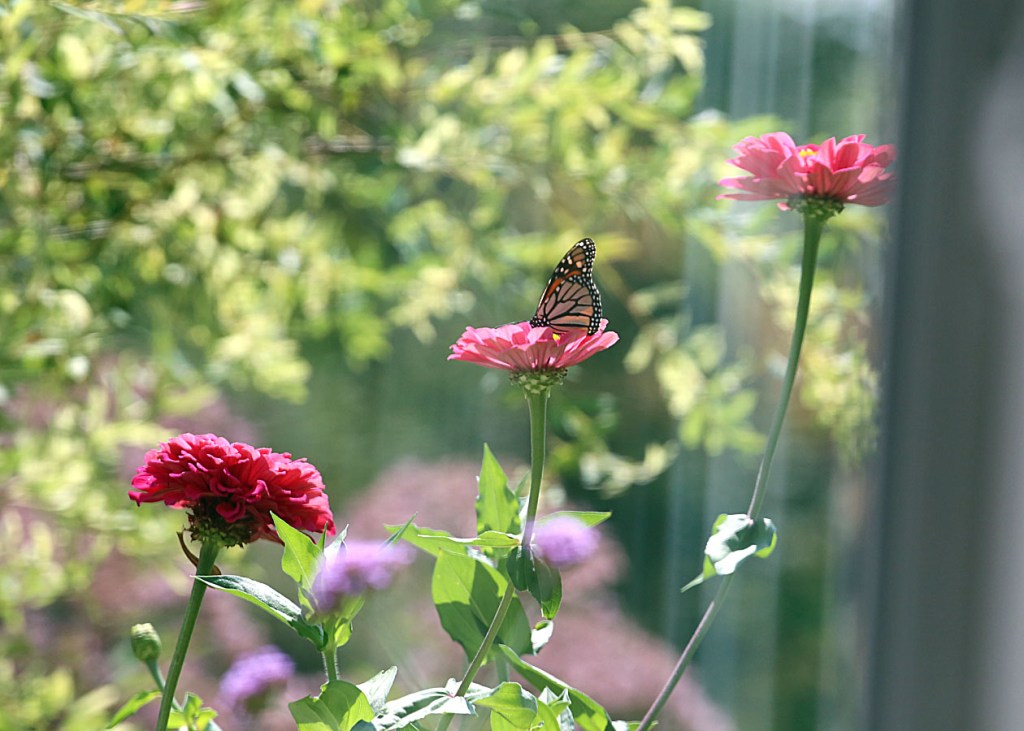
Speaking of butterflies, here is a Monarch settled on a Zinnia flower. Over the past few days, we have noticed lots of activity as the fourth generation of butterflies prepare for their long migration to Mexico.

We planted Zinnia seeds in the house in April, transplanting them to pots in May and taking them out to the patio when the danger of frost had passed. They are a tall-stemmed plant known for their twelve petal flowers.

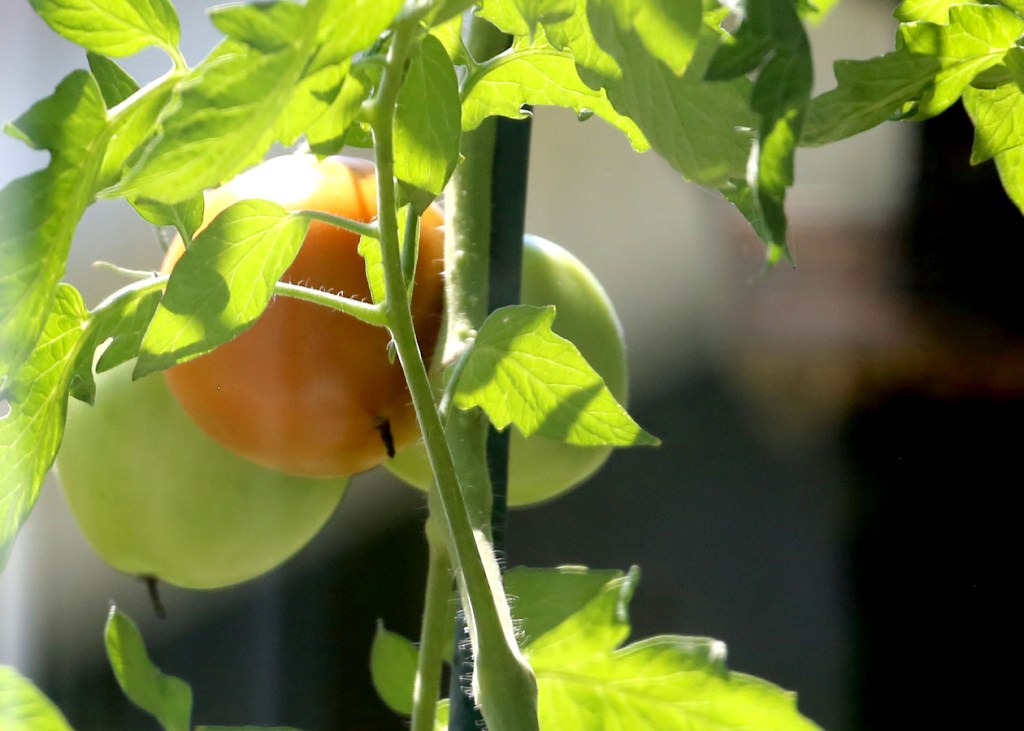
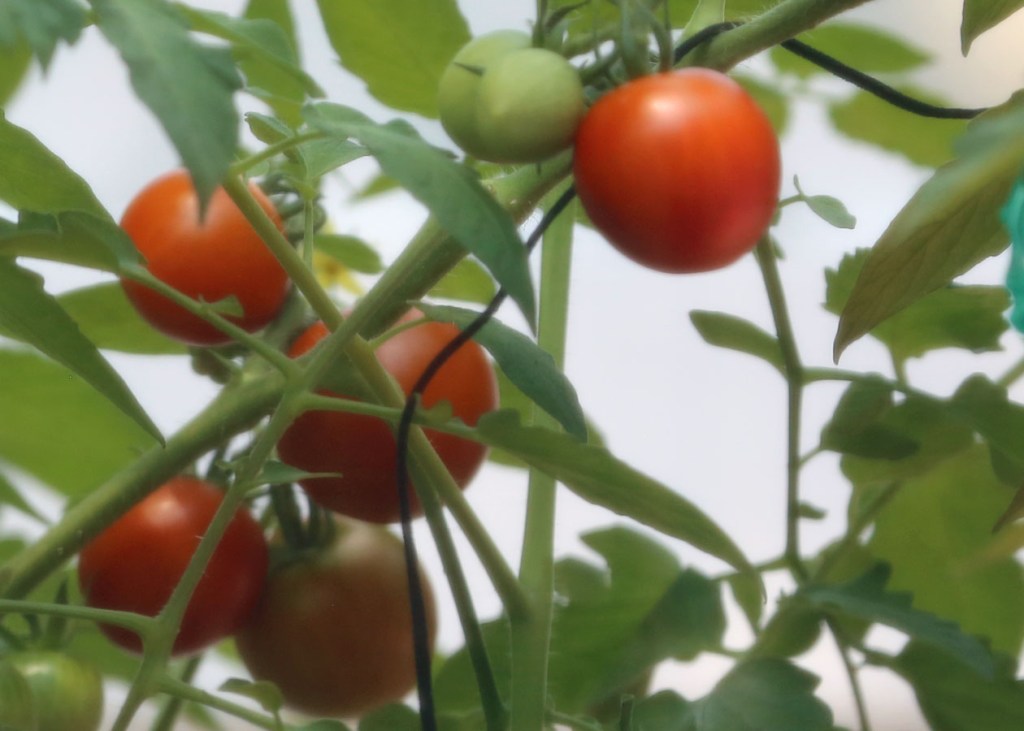
Close up to one of the windows is a tall tomato vine. We planted this several months ago and its fruit is only now ripening. This is the large ‘Beefsteak” tomato, a delicious, juicy, variety that we use for salads and sandwiches.

Turning around in the chair, I look out at another tomato vine. This one produces smaller slicing varieties in abundance

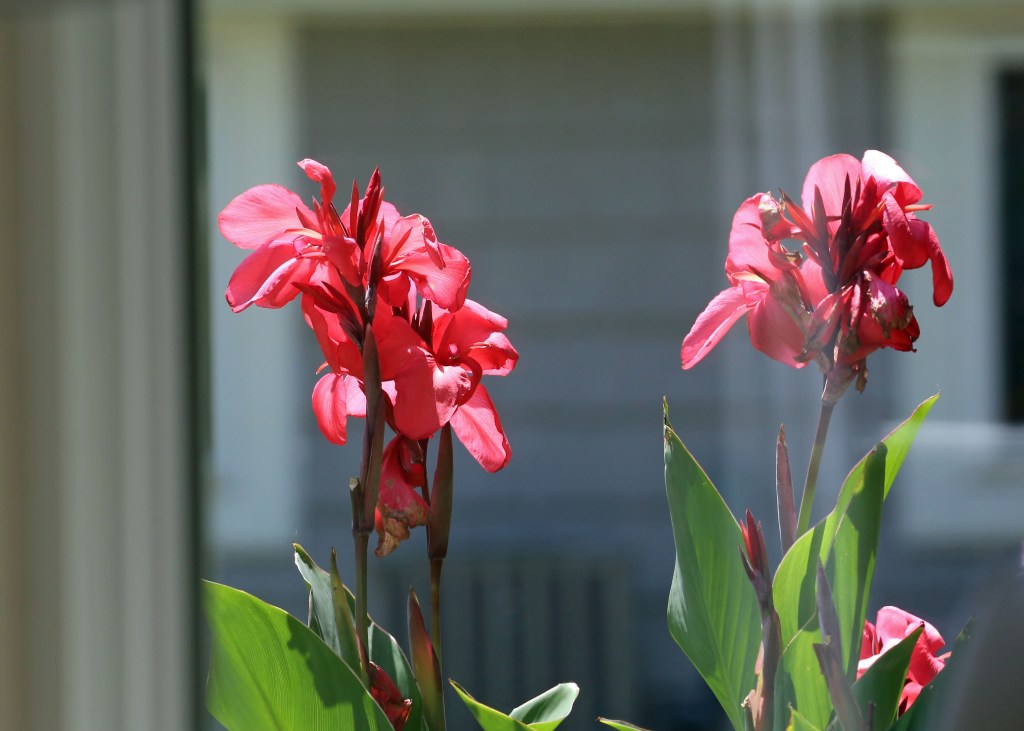
This Cana plant isn’t in the flower bed but in its own pot next to a tomato vine. We planted it in spring and expect it to continue enjoying its tropical-like green foliage and brilliant flowers until the first frost of autumn. Like the tomato vine, the Cana is so close to one of the windows of the sunroom, it could almost be in the room.

There is some shade under the old oak tree behind me where Hosta plants do well. But by this time of year, the flowers begin to wilt, and the leaves are losing their vibrancy. Earlier in the summer the several varieties in our garden created a luxuriant display of different textures, sizes and shades of green.

A variety of miniature Hostas in a blue pot keeps color in the garden.

The birdfeeder to my right attracts several species: chickadees, nuthatches, cardinals, bluejays, sparrows, finch, grossbeak, starlings, blackbirds, tufted titmouse, a variety of woodpeckers, doves, and goldfinch. This afternoon, only a male house finch makes an appearance.

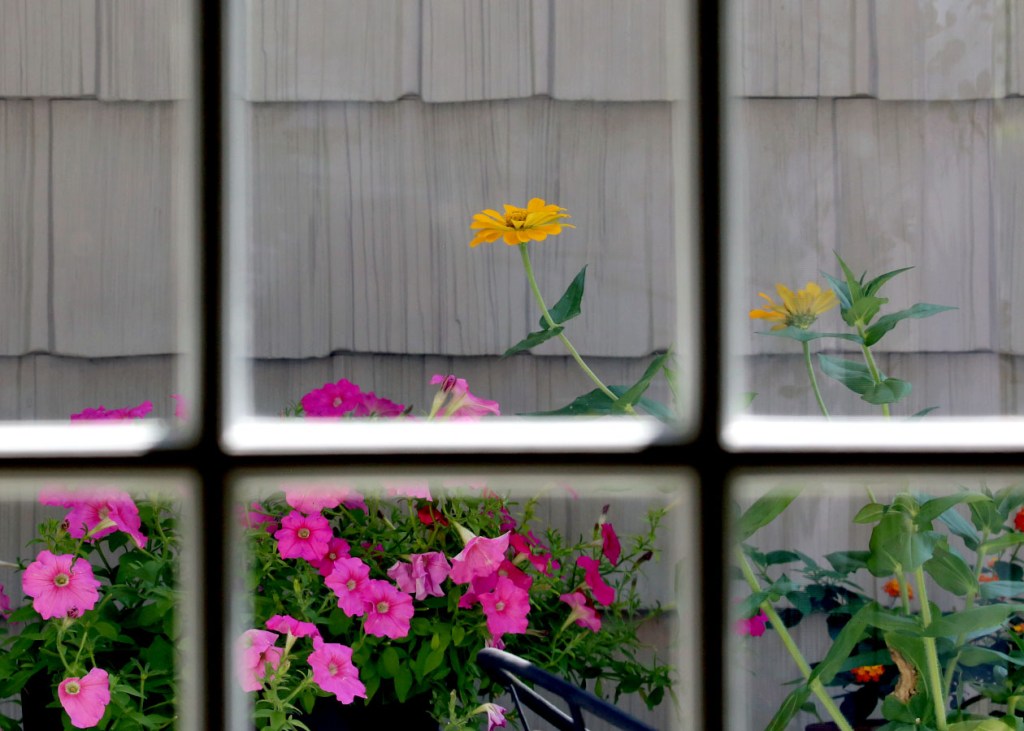
Looking through the glass door, one is struck by the bright yellows and pinks of a Zinnia and a pot of Petunias.

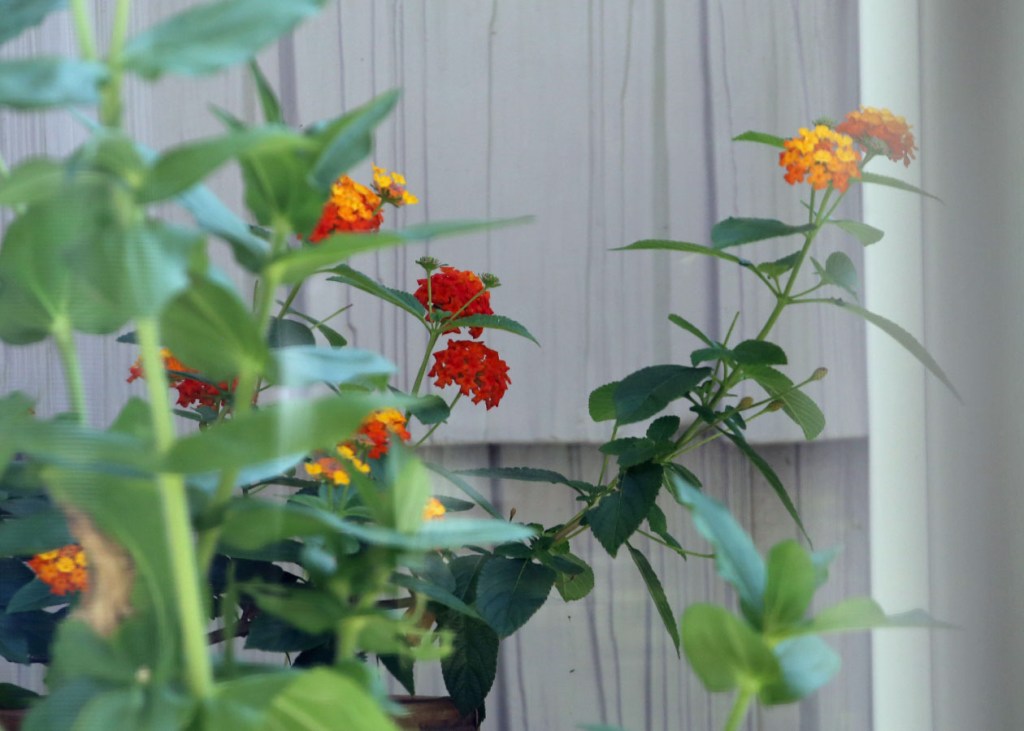
This Lantana plant is a nice addition to our pollinator garden. The species proliferated in our Arizona garden when we lived there but now are confined to a pot for their summer appearance in Ohio.

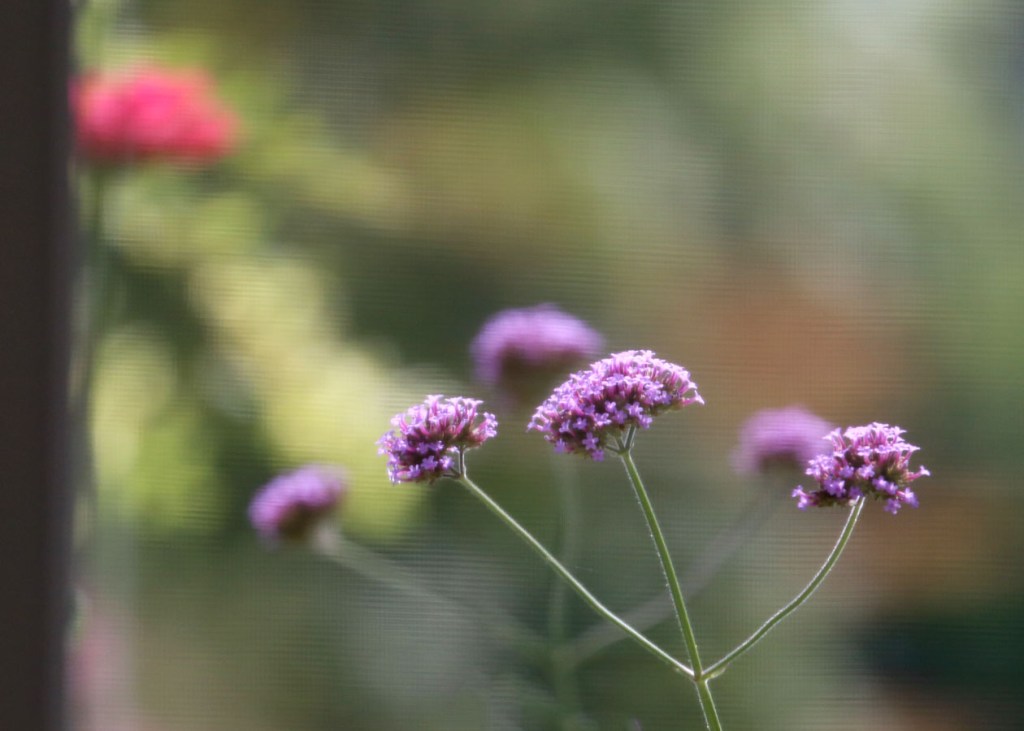
A blurry image through the window-screen of the tall, slender, stems of a Verbena with its cluster of purple flowers. It is a nectar source for butterflies and hummingbirds. A late-summer bloomer, it brings some nice color to the garden as other earlier blooming flowers begin to fade.

The Mandevilla is a subtropical vine native to the Southwestern United States, Mexico, Central America, the West Indies, and South America. We buy a small potted vine each spring and plant it next to an old lattice frame that it quickly covers, producing bright pink flowers. We can see one of its flowers sharing space with a Zinnia

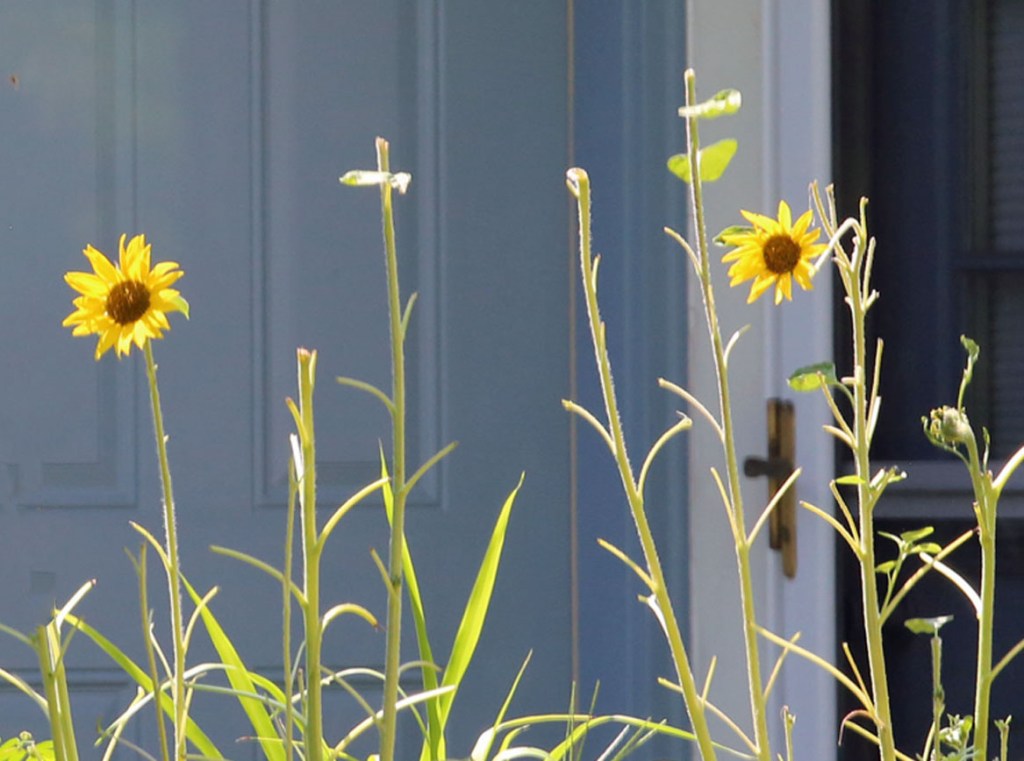
Beyond our own flower garden, a few sunflowers that our neighbor planted in her vegetable bed adds to the color of our surroundings.

This the chair from which all the photographs were taken during an hour on a hot, muggy end-of-summer afternoon

For I have learned

To look on nature, not as in the hour

Of thoughtless youth, but hearing oftentimes

The still, sad music of humanity,

…. And I have felt

A presence that disturbs me with the joy

Of elevated thoughts, a sense sublime

Of something far more deeply interfused,

…. A motion and a spirit, that impels

All thinking things, all objects and thoughts,

And rolls through all things

William Wordsworth