Thoughts about a goldfinch

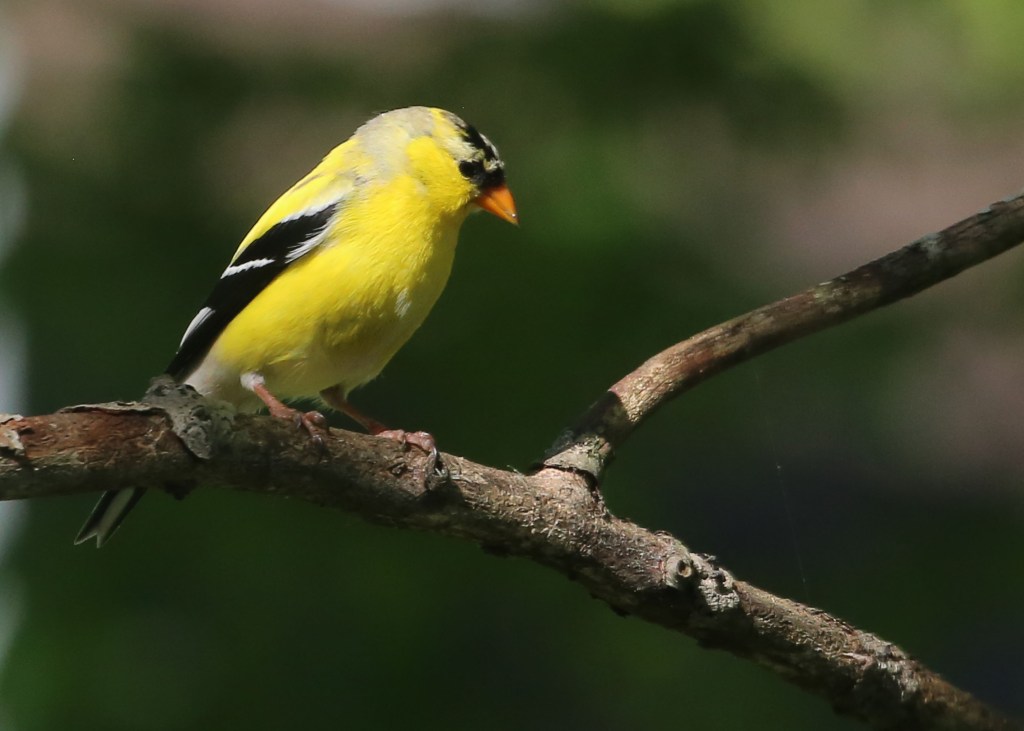
The American goldfinch (Spinus tristis) is a small North American bird in the finch family.

If one lives in a place long enough, one begins to recognize seasonal cycles among some of the bird species that visit the garden each year. Many of us associate the goldfinch with the brightly colored male, the yellow bird that shows up in the spring.

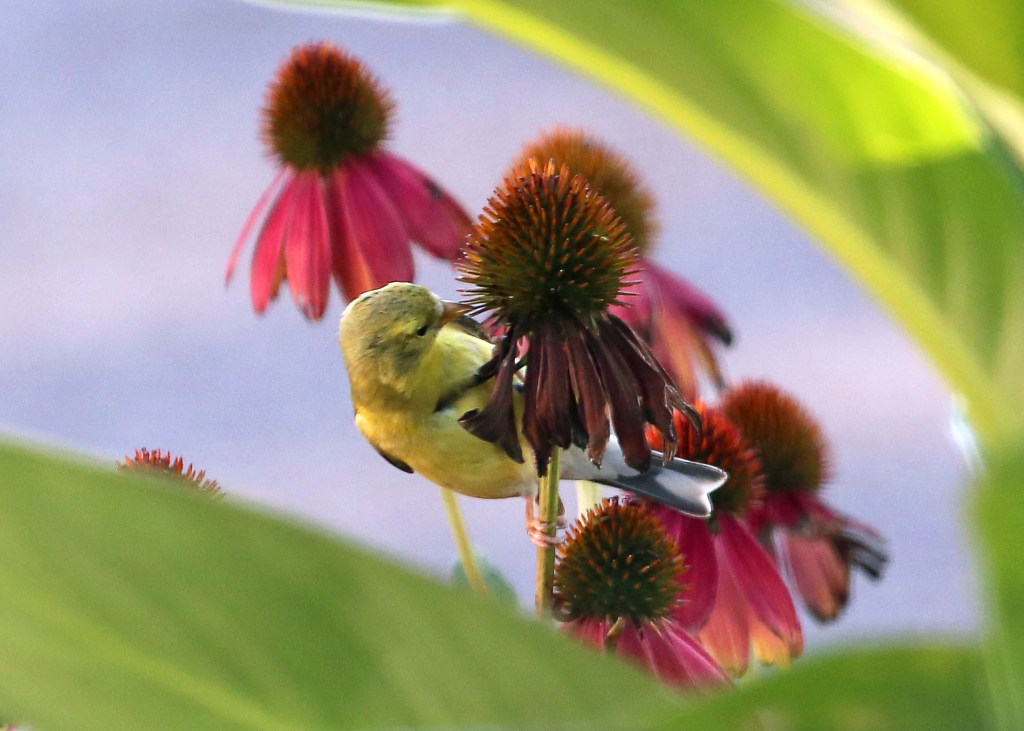
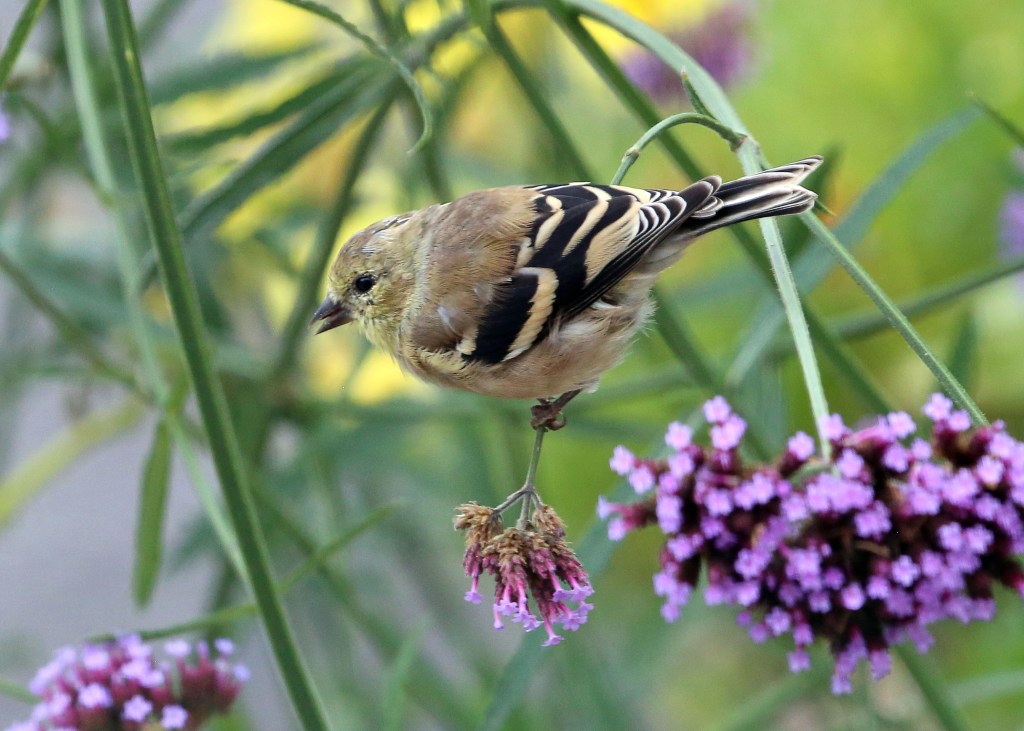
For me, I think of the paler birds feeding on seeds in our flower garden before they leave for the winter. The image above evokes a feeling of anticipated nostalgia because, as we observe it, we remember it will not last.

But we remember the goldfinch clinging to plant stems in our garden last year.

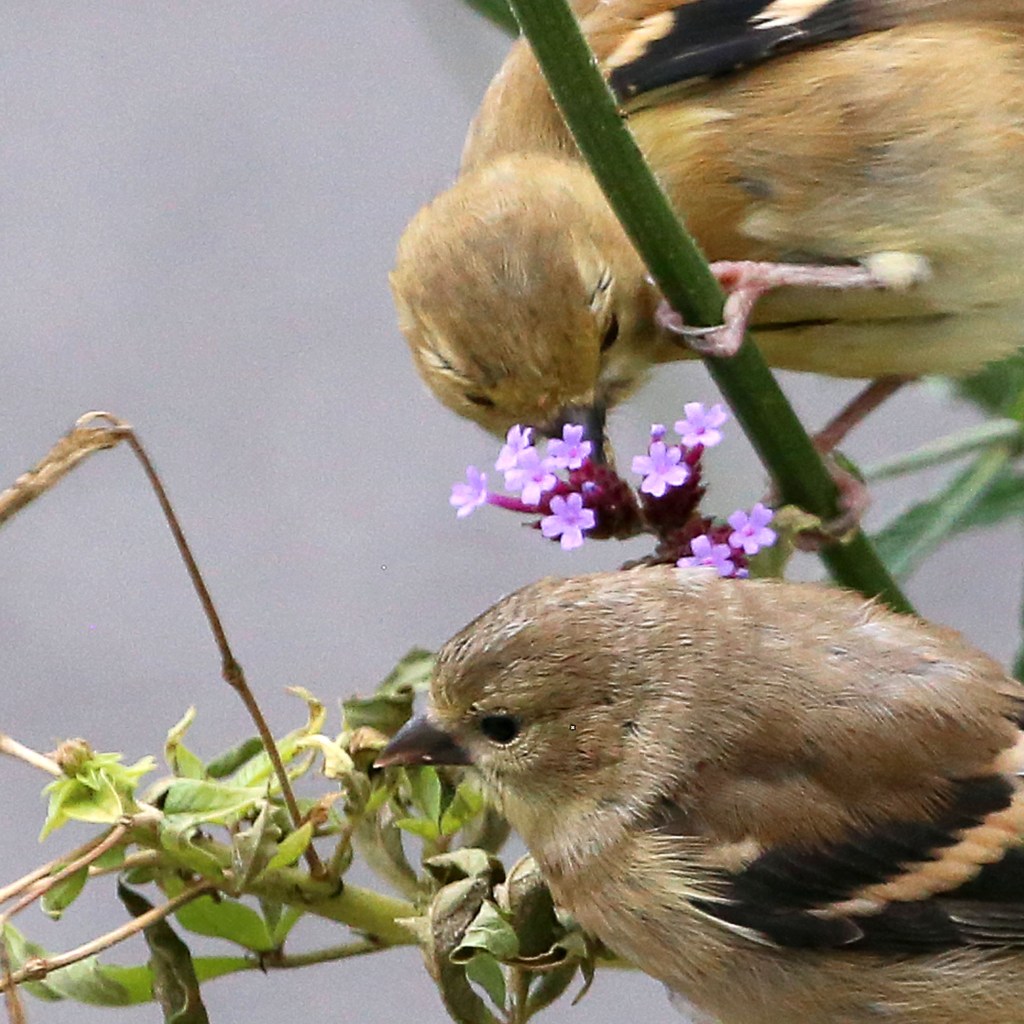
And we remember their acrobatic movements, sometimes hanging upside-down to reach the seed in the remains of a flower, sometimes pulling off the petals to reach the ovary of the flower exposing the seed. Often sharing their activity with other goldfinch.

And, as I watch the birds swaying on a flower stalk, I remember a circus performance at a book fair in Tucson, Arizona, more than ten years ago. And now I recognize the acrobat as a goldfinch.

And I look across the room and see the cushion that Lilian made, and I again recognize the bird.


And I remember a short poem I wrote:

The Scientist

I heard a scientist so teach,
We crawled from slime onto the beach,
Our home the grey soup sea:
But not content to stay that way,
By Darwin we were led astray,
Reborn as chimpanzees.

On this the scientist holds fast:
Its back to dust in the great At Last;
No trumpet will be heard.
Why is it then that we look higher
With such absurd ingrained desire
To fly as if a bird?

And I remember watching a lesser goldfinch flying down to a bird bath in our Arizona garden.

Poetry at times gives way to science,
In almost speechless awe
At the sheer computing capability
That directs this bird, this drone, to fly.
Sensors seamlessly streaming
Ten thousand bits of data
To its blazing CPU that is
Something less than thimble size.
Data processed in an instant,
Firing commands that guide
The flight in swooping arcs,
Never for one moment pausing
In that speed of light tango
Of messages received and sent;
Searching for the shimmer
Of two hydrogen atoms
Covalently bonded
To a single oxygen atom
That, in its pre-programmed
DNA-lodged algorithm,
Spells water:
And this, more than all
The galaxies in night’s dark sky,
Takes my breath away:
The nervous birdbath landing
Of a Lesser Finch.

Oranges

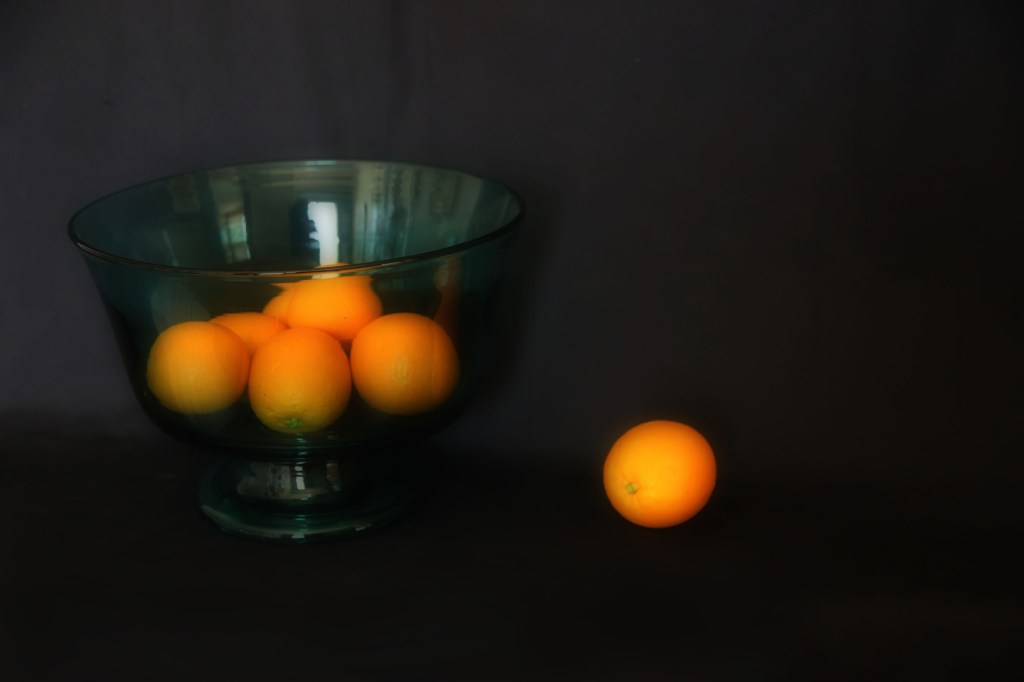
Oranges fresh from our orange tree in Arizona

There is something about picking oranges each year until there are none left, except a few that are too high to pick, that puts one in a contemplative frame of mind.

” Ambrosia” or Nectar of the Gods is how Lilian describes our morning orange juice

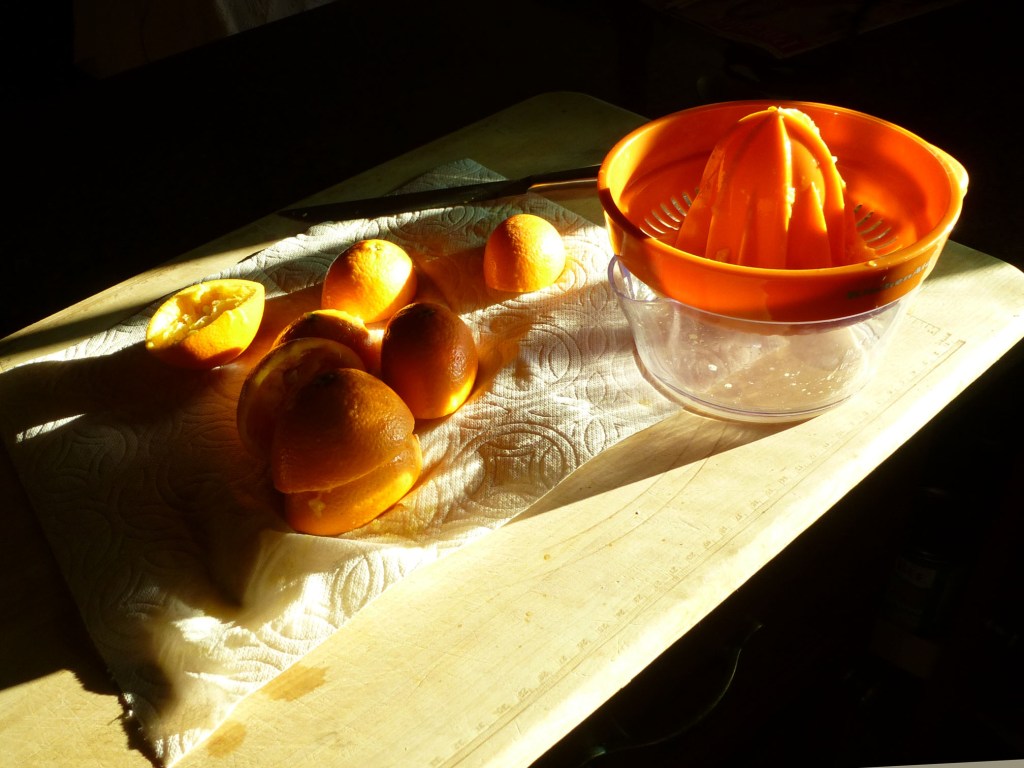
I would often walk out to the orange tree in our side yard and pick four or five of the fruit to squeeze for Lil and myself. I was struck by the fact that the juice, still cold from the night air, was still living in its cellular processes. Up until a few minutes earlier, it had been absorbing water, sugar and other nutrients through the trunk; organic compounds from its leaves; and reliant upon the millions of delicate, microscopic root hairs underground that wrap themselves around individual grains of soil and absorb moisture along with dissolved minerals. A process of respiration was constantly underway in the tree’s cells absorbing CO2 and releasing the by-product of photosynthesis, oxygen, into the atmosphere. As I stood beside the tree, I was struck by the likelihood that I was inhaling atoms released through its leaves. And, as the tree released oxygen, carbon dioxide, and moisture, it sucked up large amounts of water from the ground. And the moisture came from the same sources upon which I relied to live; water from the underground aquafer as well as the Central Arizona Project, a 336-mile aqueduct that diverts water from the Colorado River to cities and farms in Southern Arizona. We are also united by our need for nutrients: Chemical elements such as sodium, potassium, chlorine, calcium, iron, magnesium, manganese, and phosphorus that come ultimately from the soil and pass up the food chain from plants to humans. There is more to the orange tree that vitamin C.
And, as I sipped my morning juice, I thought of an evolutionary chain going back fifteen million years when citrus plants diverged from a common ancestor and I realized that, in the great sweep of evolution and human history, it was only yesterday that the Spanish Conquistadors introduced oranges to North America. I wonder if they tasted the same.

An orange in our Ohio supermarket

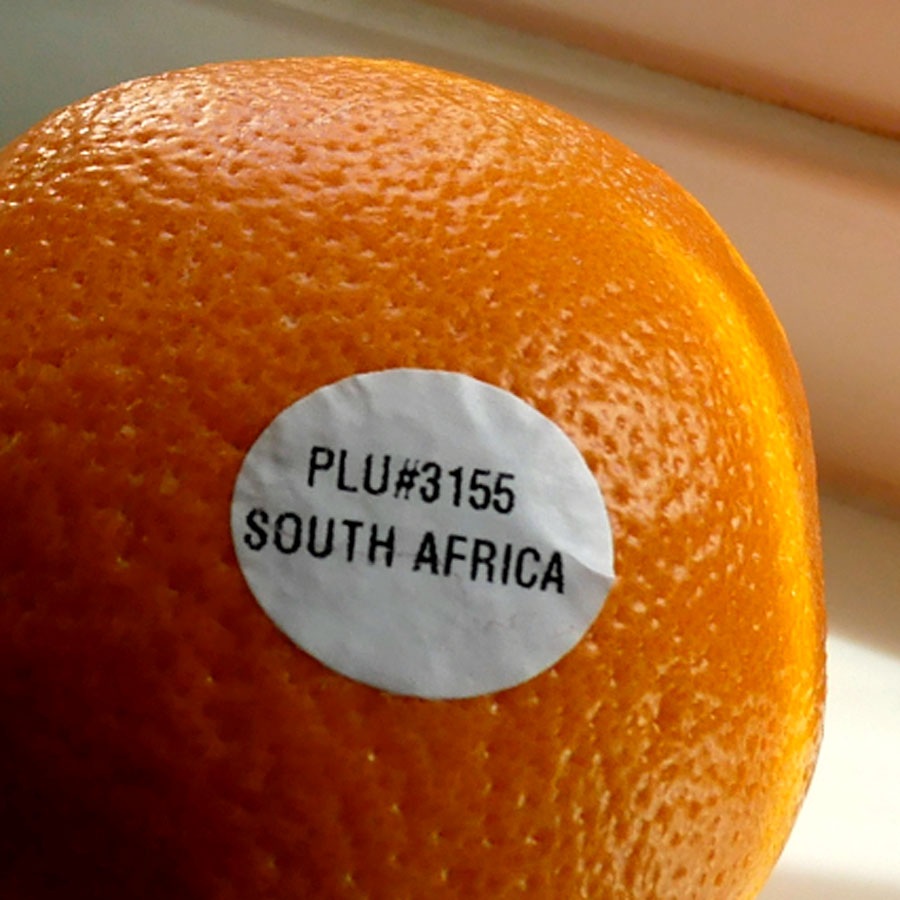
I noticed the label on an orange in the nearby supermarket. A sunny day came to mind with the image of an orange tree in South Africa where we lived and the image of a person picking the fruit then magically handing it over to us. A sharp citrus aroma escaped as Lil cut into the skin. She offered me a wedge and I had to acknowledge that it was extraordinarily sweet. Nearly as moist and sweet as our Arizona oranges. Curious about the label on the fruit, an internet search revealed that PLU#3156 referred to a refrigerated shipping container on a ship off the coast of Cape Town.

Oranges as commodities

The refrigerated containers were filled with oranges that had been picked a thousand miles to the north. They had been packed, not gently by hand into small wooden boxes, but by robotic arms in an automated warehouse the size of a football stadium, then chilled to a temperature just below freezing and loaded with 750 other containers onto the ship. They were stacked five high on the deck, then transported eight-thousand miles on a three-week voyage to Philadelphia where, together with other containers they would be shipped to dozens of distribution centers across the US. one of which is in Grove City, Ohio, where cartons of oranges would be loaded into trucks and distributed to supermarket locations throughout the state including our local store.

As I peel the perfect four-week-old South African orange, I’m reminded of our years in Jamaica:

Despite its mottled appearance and difficulty to peel with a knife, the Jamaican orange is sweet and juicy, and typically sucked rather eaten. And I remember the rough, bumpy-skinned Ugli fruit, the Jamaican Tangelo, a cross between a mandarin orange and a grapefruit with a sour-sweet taste.

Did we miss our morning juice from our years in Canada?

In Canada when fresh oranges were expensive, our daily source of vitamin C was reconstituted frozen orange juice concentrate. Yes, we were getting our vitamin C but, at the sensory level, there was no organic connection. The organic connection with the fruit in South Africa was restored during our years after Canada in Jamaica.

But the mind keeps returning to Arizona:

Through the kitchen window

Taken from outside our home during a hot summer night in Tucson, the image holds out the promise of a new day when the oranges in the bowl will be squeezed to link us closely to our environment. And so it goes.

The Question

Thoughts on an early morning walk

As one ages, one seems to turn increasingly inwards: Catching images from the past that fall like confetti in a random scattering of faces, places, shapes and colors, tastes, smells and sounds. And I wonder about the purpose of it all, about the purpose of my life and the lives of parents, grandparents, siblings, nephews and nieces as images of them float by; lives so full, marked by pain and pleasure, fear and fulfilment, boredom and excitement; lives once so important to them yet gone, seemingly in an instant. Gone like the birds that built their nest in the vine outside our window last spring and gone like their chicks who survived to repeat the cycle. Gone like the squirrels and chipmunks urgently storing food for winter.

And I remember catechism classes taught by my teachers, the Irish Christian Brothers in Pretoria where the Jacarandas bloomed each spring: “Why did God make you?” “God made me to know, love and serve Him in this world and be happy with him forever in the next.” There wasn’t a question in the catechism asking why God made sparrows. So, I don’t know the answer to a question that wasn’t asked. And the Christian Brothers came to South Africa from Ireland in 1897, interlopers, about the same time Jacaranda trees were imported from Brazil. Interlopers. And the bees still buzz among the Jacaranda blossoms and the school is now coeducational and multi-racial, and the Christian Brothers have gone, and my grandfather who once was a Christian Brother died seventy-eight years ago. And the question remains: “To what end? For what purpose? And does any of this matter; not in the abstract, but to MY wife, to MY children, or to anyone? And should I apologize for using the possessive MY? Is anything MINE? I remember my Irish grandfather, though I scarcely knew him. Those who knew him well – his wife the tennis-playing homemaker, his father the farmer, his mother whose place was in the kitchen, his sons, a lawyer and a doctor, his brother, the well-known cleric who sent him shamrock from Ireland each March– all have died, while I remain the last embodiment of a memory that is all that is left of him. When I die, all memory will be gone as if he never existed. And the bees whose habitat is at risk will still buzz among the Jacaranda blossoms in Pretoria for a while to come. Which will be the first to end, the sound or the memory? Does it matter?

Does it matter? This, perhaps, is the most important question. And, as my early morning walk ends, it is a comfort to suddenly realize that the answer doesn’t matter.

Notes while listening to Tchaikovsky’s Sixth

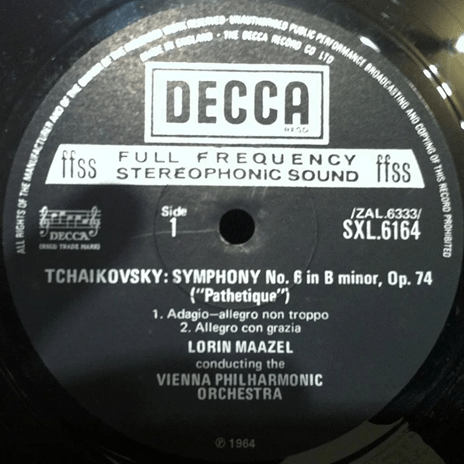
The first record I ever bought was a recording of Tchaikovsky’s Symphony #6. It was 1968, and I found myself alone in Pretoria, South Africa. I listened to the music on a cheap stereo record-player. I heard it on the car radio a few days ago. It took me back to those years in the late 60’s. The brooding music resonated deeply. I was lonely then, in an inarticulable way. I had chosen that life and so the music simply described what I had chosen.

Several years later, my mood had changed as I listened to Tchaikovsky: Not his Sixth, but Swan Lake. I had met a woman who introduced me to the ballet. We listened to it together. I found the music liberating. Both set me on a new path.

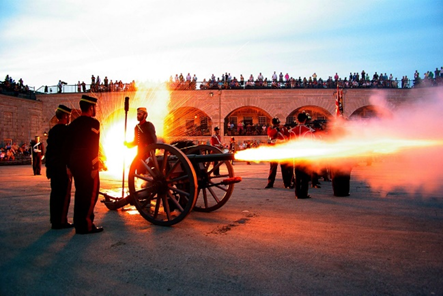
The path, a long one, took me to Kingston, Ontario, to the shores of the St. Lawrence River and Fort Henry in Canada, a fortification constructed during the War of 1812 to protect the Kingston Royal Naval Dockyard on Point Frederick from a possible American attack.

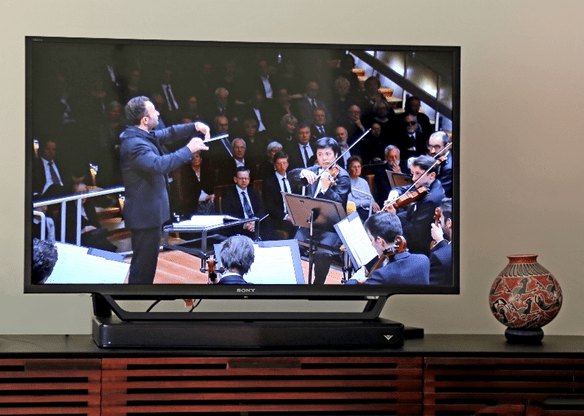
Year after year, we would take our children to a Sunset Ceremony at the fort for a performance of Tchaikovsky’s 1812 Overture, complete with canon, that temporarily obliterated any recollection of the Pathétique or Swan Lake. But today, the memories return and, with the help of the internet, I access a 2017 performance of the Sixth under the baton of Kirill Petrenko and, in our living room a long way from the little parish rectory in South Africa, I watch and listen to the Berlin Philharmonic.

And so, I listen once again to the Sixth as I type these notes and learn that Tchaikovsky died at age 53, just nine days after he conducted the premiere of his final symphony in 1893 in St. Petersburg.

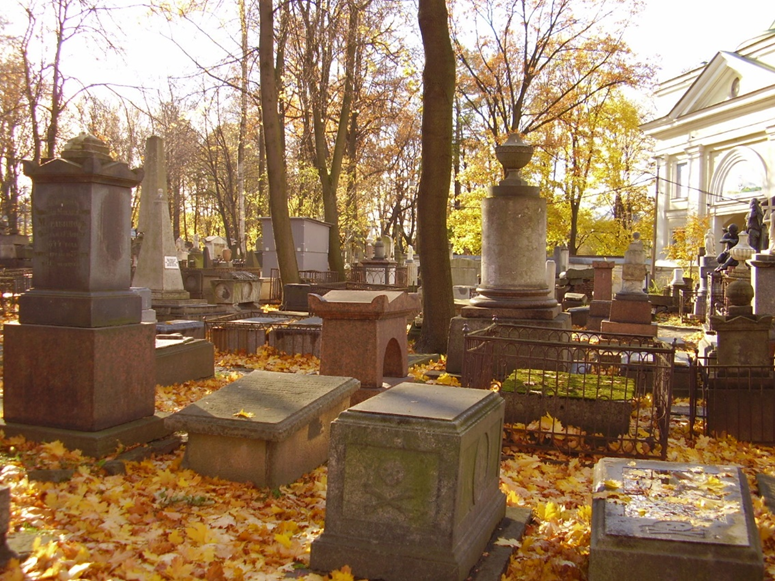
And here he lies with his sadness and his secrets on a sunny autumn day with Alexander Borodin, Mikhail Glinka, Modest Mussorgsky, Nikolai Rimsky Korsakov and Mily Balakirerv.

Mirage

Chiffon sheers moved gently
in the high-rise heat
that summer afternoon.
I watched them breathe
as you lay sleeping.

They spoke to me then,
as now, softly curling
like ocean waves
whose ebb and flow
mark the pulse of time,
whispering, now, now.

The drapes still float,
softly billowing in their
gossamer choreography:
A timeless waltz, endlessly
moving to life’s rhythm.

Rising and falling, they
silently sway, a seductive
invitation to dance
time’s pas de deux
when past and present
become forever now.

Traveling Companion

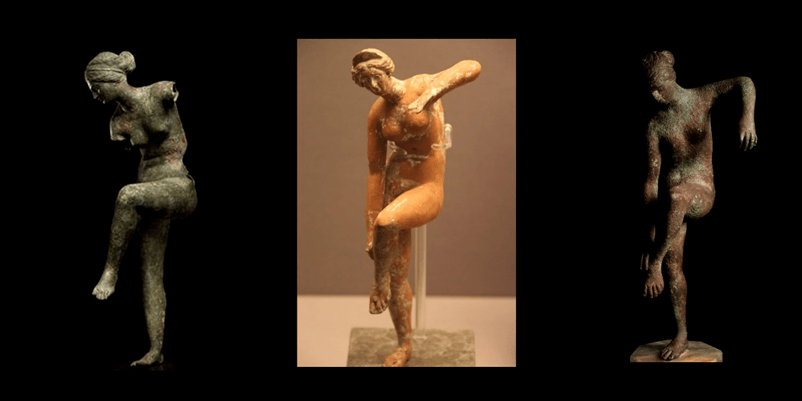
These three very similar statuettes portray Aphrodite. Lil and I didn’t recognize her when, in 1974, we purchased the bronze on the right in Pompeii. As newly- weds, we were en-route to Canada with Adrian to start our new life together. How serendipitous, then, that the little statue whose delicate beauty so appealed to us was the Greek goddess of love.

The original was probably the small terracotta sculpture in the center that is now in the British Museum and dates back more than 2200 years. The bronze on the left, also in the British Museum, is an equally old copy. Our little statue is a fine art reproduction and, although there must have been hundreds produced around the time we bought it, the beauty of the original is faithfully conveyed.

We were quite poor at the time and we sacrificed lunch to help pay for our Aphrodite. Weeks later, she was the only beautiful presence in the scrubby little furnished apartment above a convenience store that was our first rented home upon arriving in Canada.

She was wrapped, packed, transported and unpackaged fourteen or fifteen times as we moved from apartment to house after Sarah’s birth, then from city to city in Canada and, later, to Jamaica where she watched our armed robbery but was herself left unscathed. Then to the United States to watch the children grow, then bid farewell to Adrian as he left home for university. Back to Ontario and then Quebec, only to return to Ohio before a final move to the Southwest where you might think she is quite out of place. Is love ever out of place?

CLEARING OUT

Parents, Aunt and Uncle punting on the Cam

We are in the process of throwing things out or giving them to Goodwill: Things like a shell collection, kids’ old toys, children’s drawings, vases, books, photographs, souvenirs from trips and so on; a large conch that an early girlfriend held against my ear so that I could hear the ocean surf; things we have been carting around for decades, subliminally keeping memories alive. Some things, notably family photographs, are spare and kept in a box of family archives. As I look through them, I realize that I can still breathe life into those moments caught by the camera, but when we die, their lives that have been sustained by our memories will end more finally than before. When there are no more people alive who ever knew mom or dad, it will almost be as if they had never existed. I look at a photograph of them in their early thirties punting on the river Cam in Cambridge together with Sue and Bob McSherry. I remember mom and dad telling me about the experience and about dad’s days as a student there: I look at the McSherrys and can almost hear them talking and laughing. I see them all grow and age. Now they are gone. We hang on to the pictures. But the time will come when the photographs won’t mean anything to anyone. They will be tossed out and with them the lives of those we strangely keep alive.


Collections

In the process of clearing out, we had to make difficult decisions to get rid of boxes of toys, collectibles, documents and souvenirs that we had accumulated over forty years.

My collection of wine corks was the first to go. I had started collecting these corks twenty-five years ago in Canada when I started paying attention to wine. The corks told a story: Many were from bottles of Bordeaux: Medoc was my favorite. Some Grand Cru Classe from famously regarded appellations, many from good vintage years. The corks reflected the world of wine producing countries: Australia, New Zealand, Argentina, Chile, South Africa, Italy, Germany, Spain, France, Portugal and even Canada and the United States. And for most of the corks, memories of the taste of the wine, and the circumstance under which the wine was purchased. The corks were carted around from home to home, saved for who knows what. Now they’re gone. I still have a collection of wine labels tucked in between the pages of a book on wine.  One day the book will be thrown out.

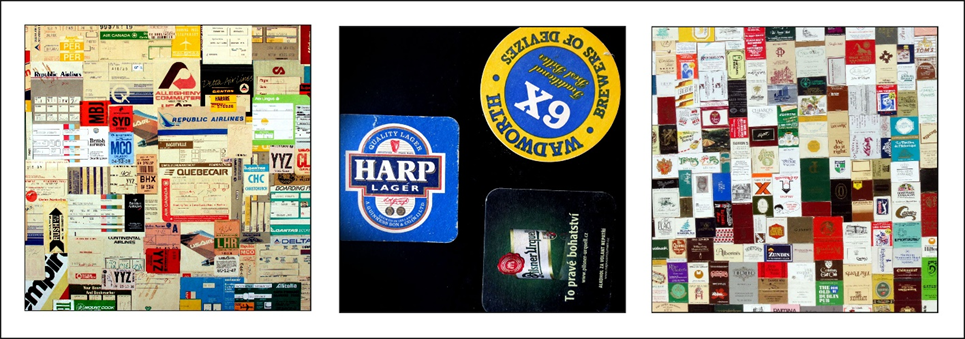
I should mention in passing that I also had a collection of beer coasters that I threw out a few months ago. The difference between the coasters and the corks is more than the difference between beer and wine. Each coaster was picked up in a pub where I had just enjoyed a beer: Many from English pubs, some from Australia, and several from Canada and the US. I had long harbored a dream that one day I would have a pub bar in the basement of our home. The bar would also feature a collection of matchboxes and boarding passes that I had accumulated around the world during my business travels.  The dream now just a dream.

Dunmanus Bay, Ireland

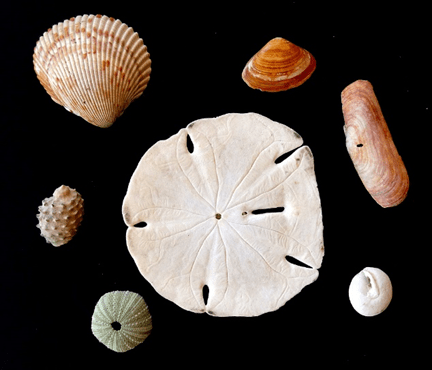
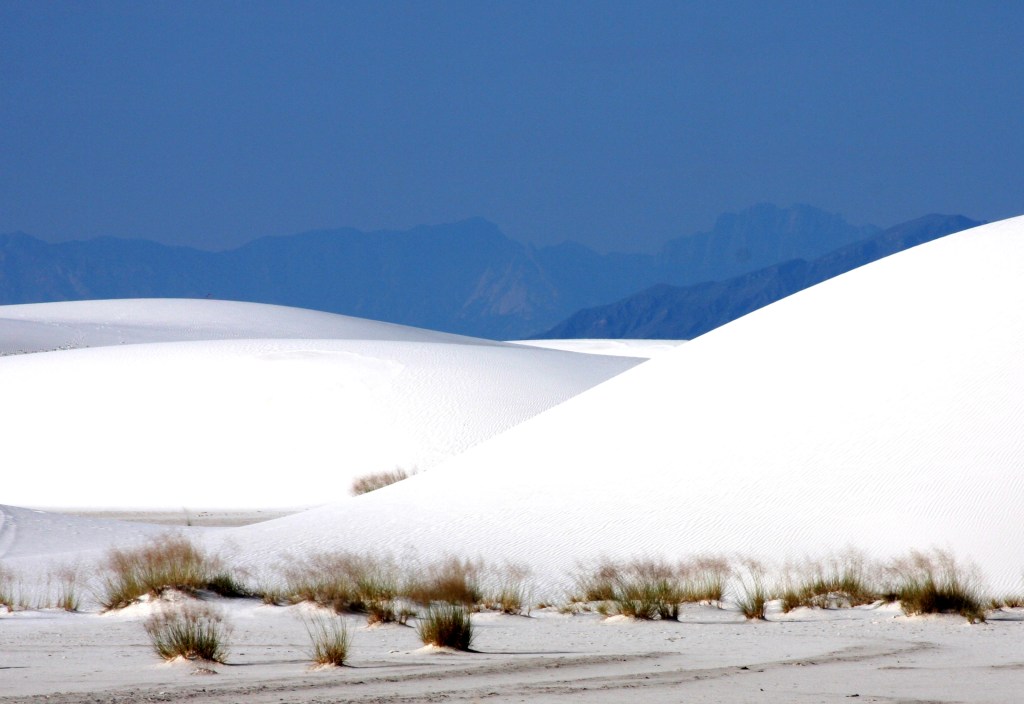
Another collection that I had completely forgotten about was a large box of shells. These too had been carted from home to home, country to country: Shells from the Eastern Cape and  Natal in South Africa, a collection  from the south coast of Jamaica, and shells from Dunmanus Bay in Ireland. The shells brought back the feel of wet, grainy sand underfoot, the salty feel of the moist air, the warmth and smell of Jamaica, the chill and dampness of Ireland’s southwest coast. In the collection were sun-bleached specimens of coral from Jamaica’s north cost, bringing back memories of family snorkeling inside the reef of Ocho Rios. I threw all of them into the garbage except for the large conch that Maria bought me many years ago in Durban. I donated that together with a box of objet-d’art to the local Goodwill store. Perhaps someone will buy it, someone who knows that if you hold it up to your ear you will hear the sound of ocean surf.

Alligator Pond, Jamaica