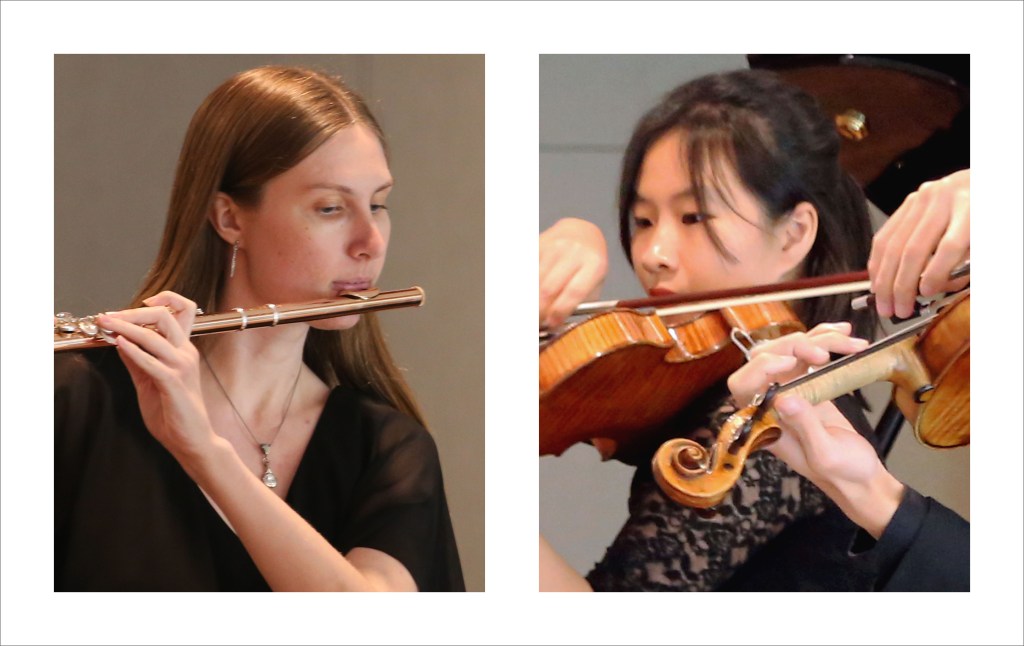
Some student musicians were kind enough to visit our community during a local music festival and play for us. It was a perfect way to spend a summer afternoon, and a reassuring message about the hard work, talent and generosity of many young people today.
Then I saw a young man in the audience in front of me scrolling on his iPhone. “Oh no,” I thought. “This is a sad commentary on the youth of today.” Then I looked more closely:
He was following the score. My faith was restored.
Earlier that weekend, I had read a blog post that beautifully described a fig tree. A folksong about a walnut tree came to mind, a memory of at least ten years ago, and I spent a lot of time trying to find it on the internet. Success! Here are Luciano and Fernando Pavarotti singing La Giana with the Rossini Chorale of Moderna in 1990.
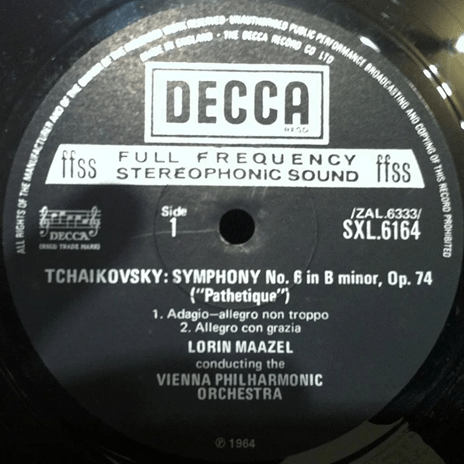
The first record I ever bought was a recording of Tchaikovsky’s Symphony #6. It was 1968, and I found myself alone in Pretoria, South Africa. I listened to the music on a cheap stereo record-player. I heard it on the car radio a few days ago. It took me back to those years in the late 60’s. The brooding music resonated deeply. I was lonely then, in an inarticulable way. I had chosen that life and so the music simply described what I had chosen.
Several years later, my mood had changed as I listened to Tchaikovsky: Not his Sixth, but Swan Lake. I had met a woman who introduced me to the ballet. We listened to it together. I found the music liberating. Both set me on a new path.
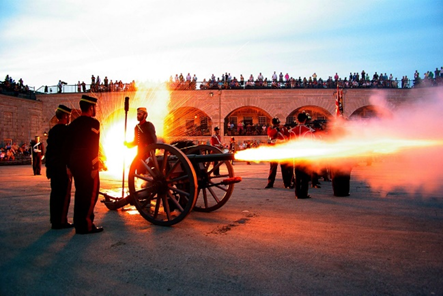
The path, a long one, took me to Kingston, Ontario, to the shores of the St. Lawrence River and Fort Henry in Canada, a fortification constructed during the War of 1812 to protect the Kingston Royal Naval Dockyard on Point Frederick from a possible American attack.
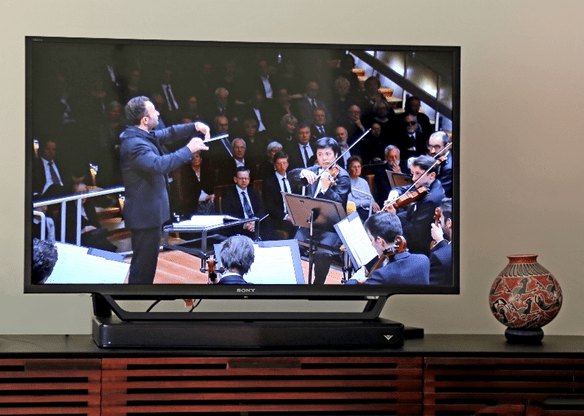
Year after year, we would take our children to a Sunset Ceremony at the fort for a performance of Tchaikovsky’s 1812 Overture, complete with canon, that temporarily obliterated any recollection of the Pathétique or Swan Lake. But today, the memories return and, with the help of the internet, I access a 2017 performance of the Sixth under the baton of Kirill Petrenko and, in our living room a long way from the little parish rectory in South Africa, I watch and listen to the Berlin Philharmonic.
And so, I listen once again to the Sixth as I type these notes and learn that Tchaikovsky died at age 53, just nine days after he conducted the premiere of his final symphony in 1893 in St. Petersburg.
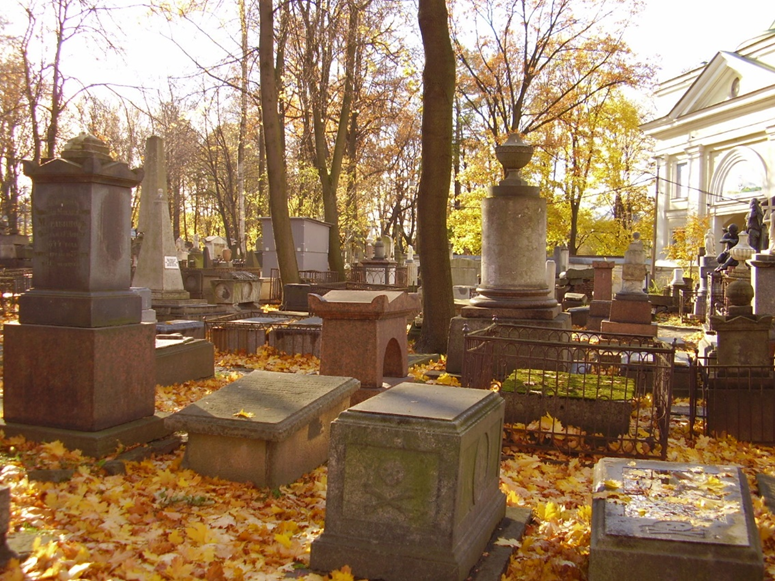
And here he lies with his sadness and his secrets on a sunny autumn day with Alexander Borodin, Mikhail Glinka, Modest Mussorgsky, Nikolai Rimsky Korsakov and Mily Balakirerv.



 The Final Stretch