She shuffled slowly up the path
clinging to her walker
as a winter-ravaged Alberta pine
clutches a rocky outcrop by the lake.
Her name was Joyce.

Only scoliosis twists a person
into a gnarled old conifer
bent by countless winter storms.
She seemed old, silent, expressionless,
as if there was nothing left to say,

Her sideways glance seemed almost sly,
her head bobbing to an inner beat
that only she could hear.
She drooled a little, the way one might
when dementia loosens self-control.

Our paths crossed that sunny day
and I politely commented on the weather.
Then she told me she had been a teacher,
a musical composer, nurse,
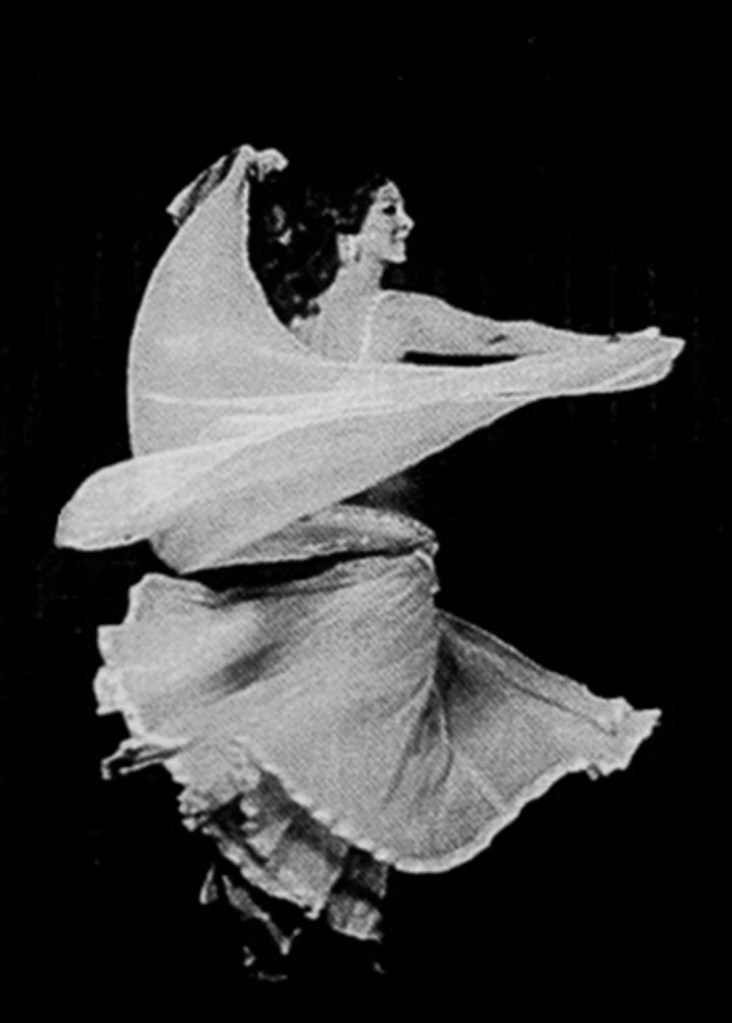
published poet, and a belly dancer.

I listened patiently to her delusional story,
punctuated by tremors and twitches,
until she apologetically told me
that she couldn’t linger, or she’d be late
for her Parkinson’s support group.

As she shuffled off,
I listened to the swish of her skirt,
noticed the tilt of her hips,
and, from some distant place,
heard the mesmerizing music
of the danse du ventre.
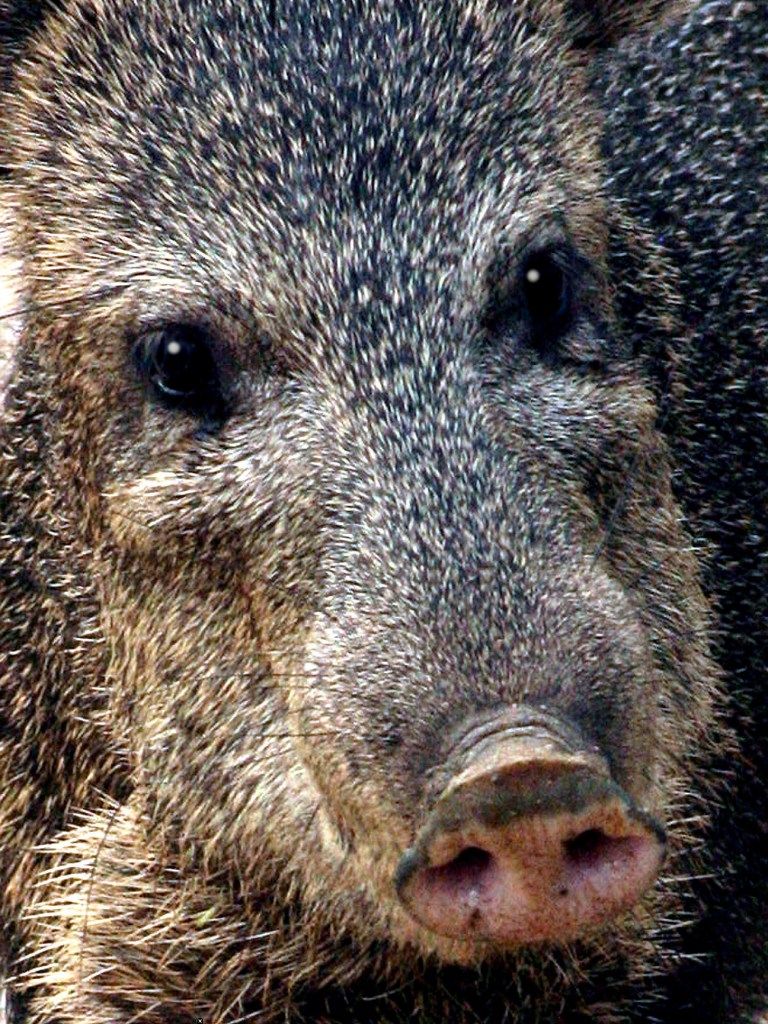
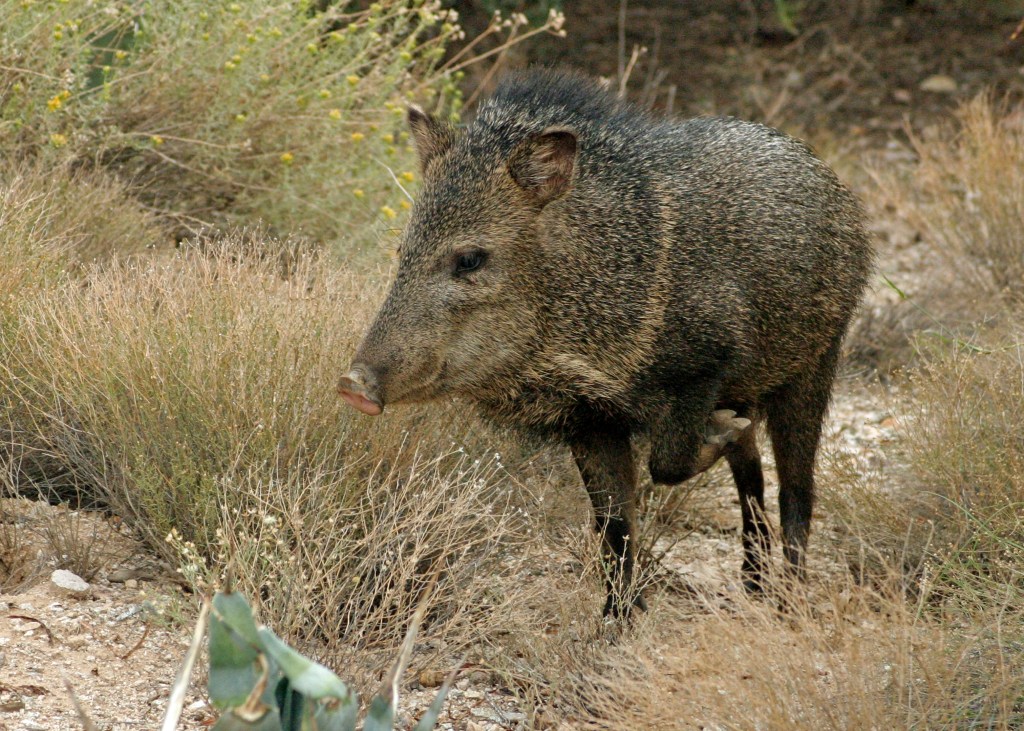
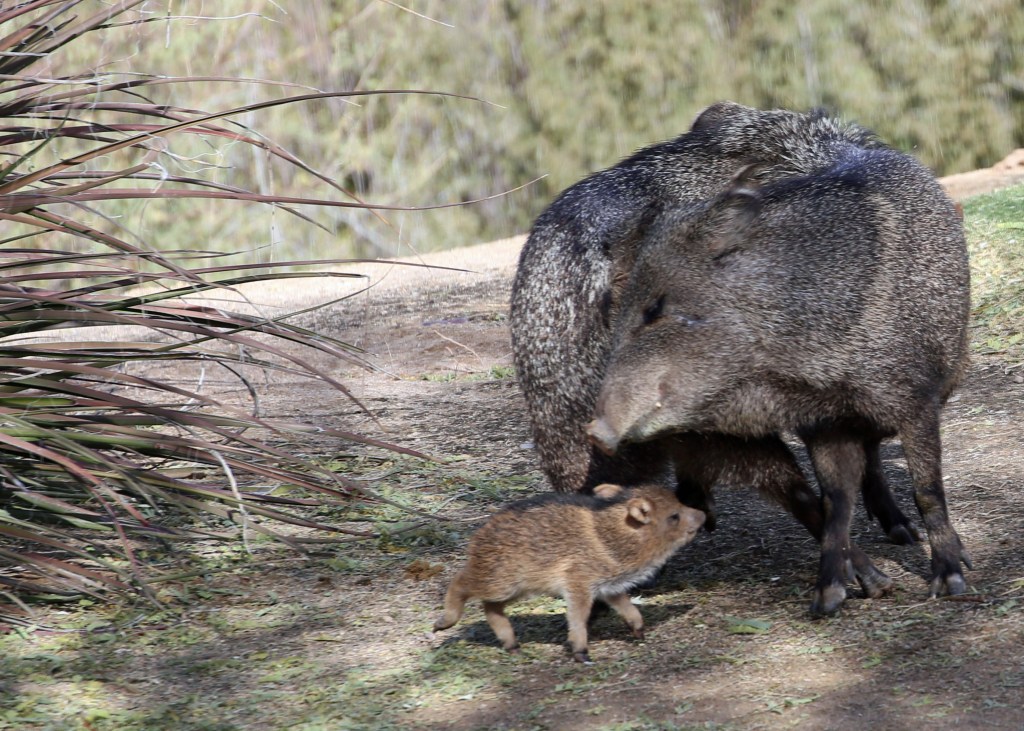
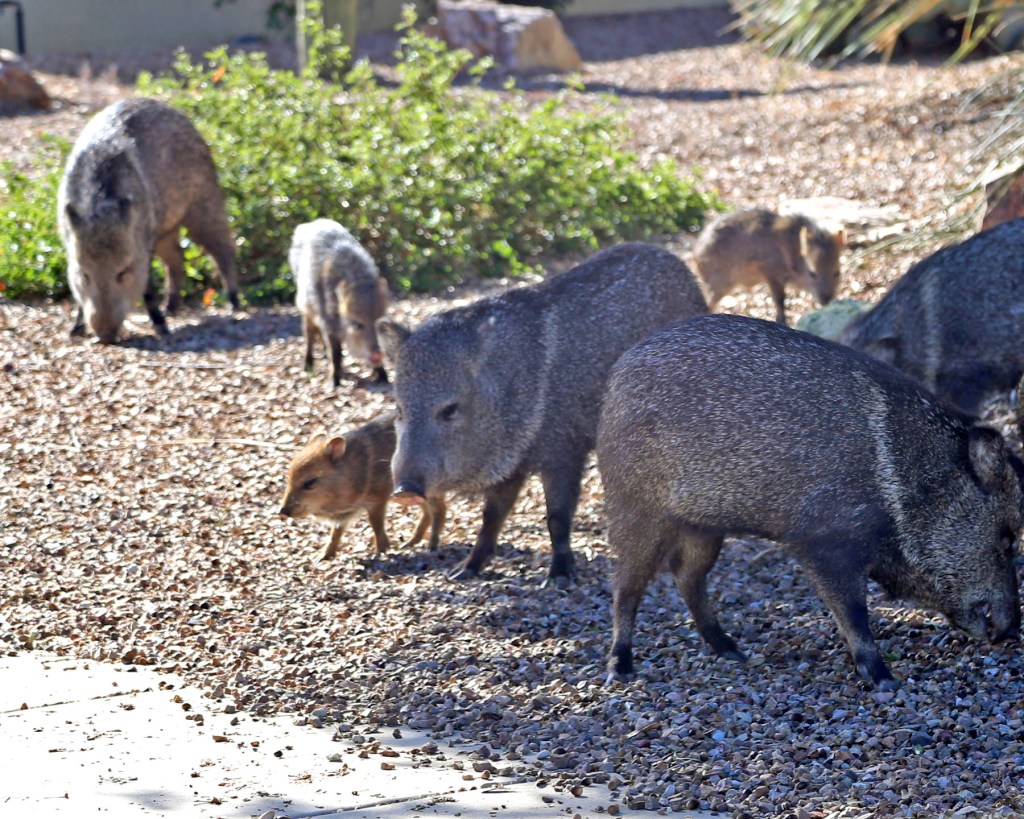
Javelinas were frequent visitors to our home in Southwest Arizona. Some people think them as wild pigs, but they are actually members of the peccary family, a group of hoofed mammals originating from South America. Javelina form herds of up to 20 animals and rely on each other to defend territory. They use dry riverbeds and areas with dense vegetation as travel corridors.
This large male is agitated, perhaps by the presence of the photographer.
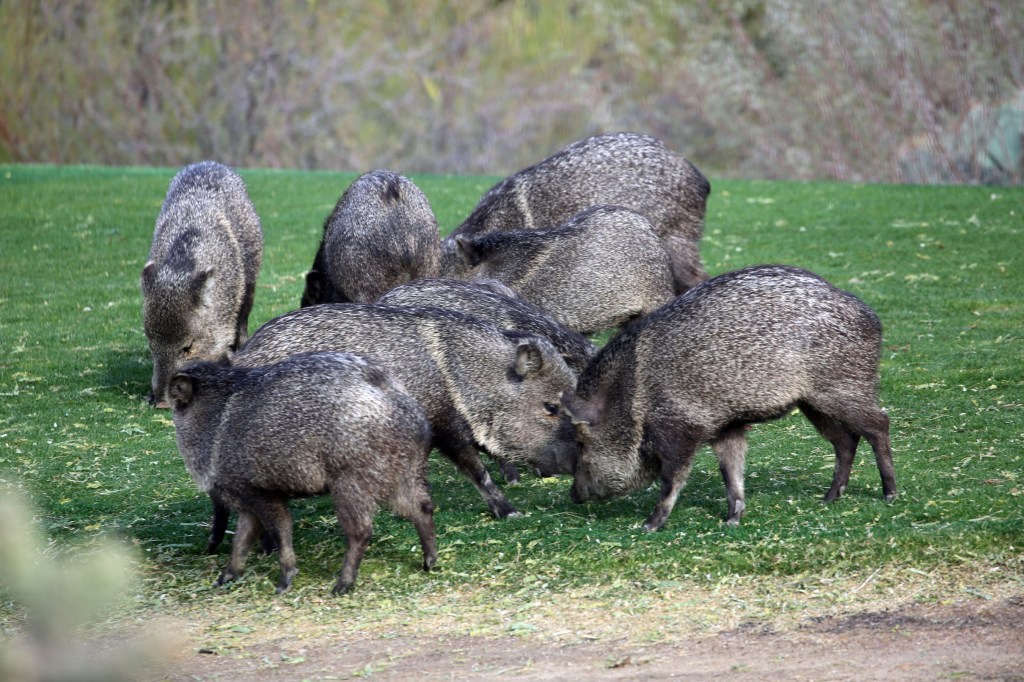
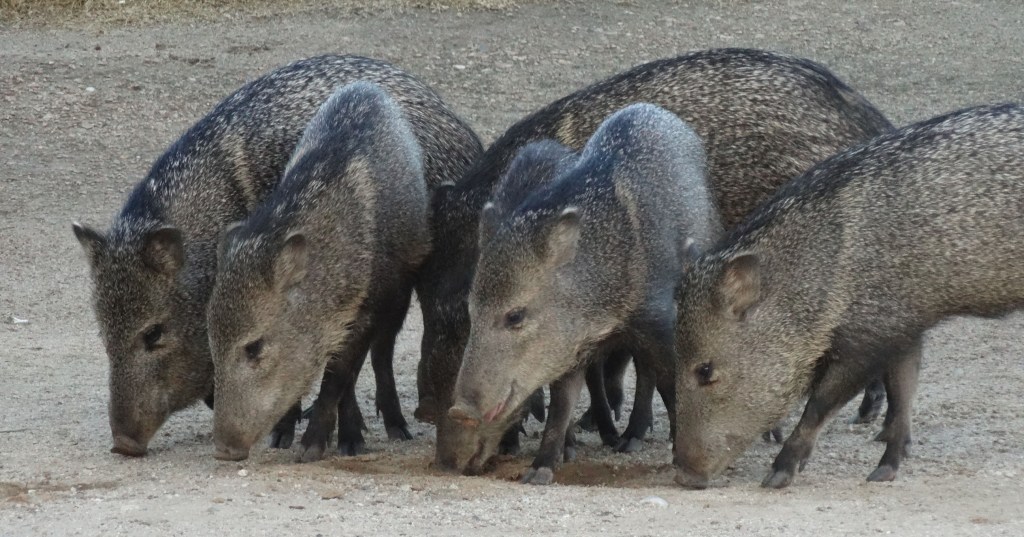
Javelina form herds of up to 20 animals and rely on each other to defend territory. They have a scent gland on their back, and animals from the same herd stand side-by-side and rub each other’s with their heads. Their scent identifies animals from their own and different herds
Newborns up to three months old are red-brown or tan and are called “reds”, live an average of 7.5 years. All Javelinas have very poor eyesight and may appear to be charging when actually trying to escape. They have a keen sense of smell that identifies people and pets. It’s best to keep a safe distance.
They need a water source for drinking and sometimes can be seen scratching for water in a dry river (desert wash). When available, they will roll in water and mud to cool off. During the summer months at our home, temperatures would often exceed 40 C.
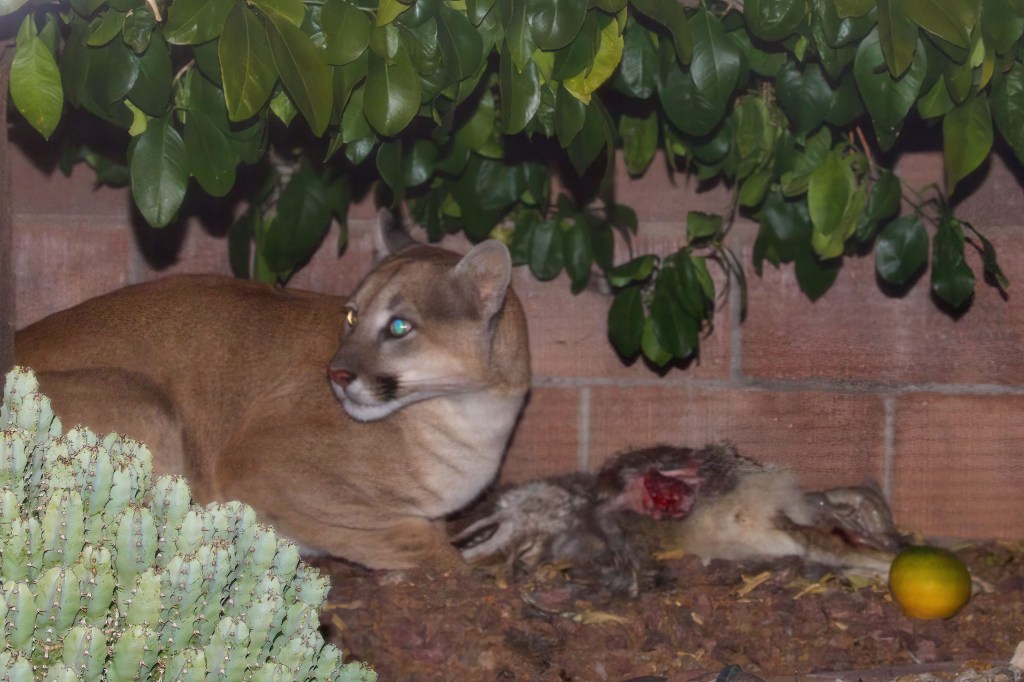
Mountain Lion, Sonoran-Arizona Desert Museum
The only predator a large Javelina would fear in our neighborhood was the Mountain Lion.
This nighttime photograph shows a young mountain lion in a neighbor’s property with its prey. In this case it is a Roadrunner.
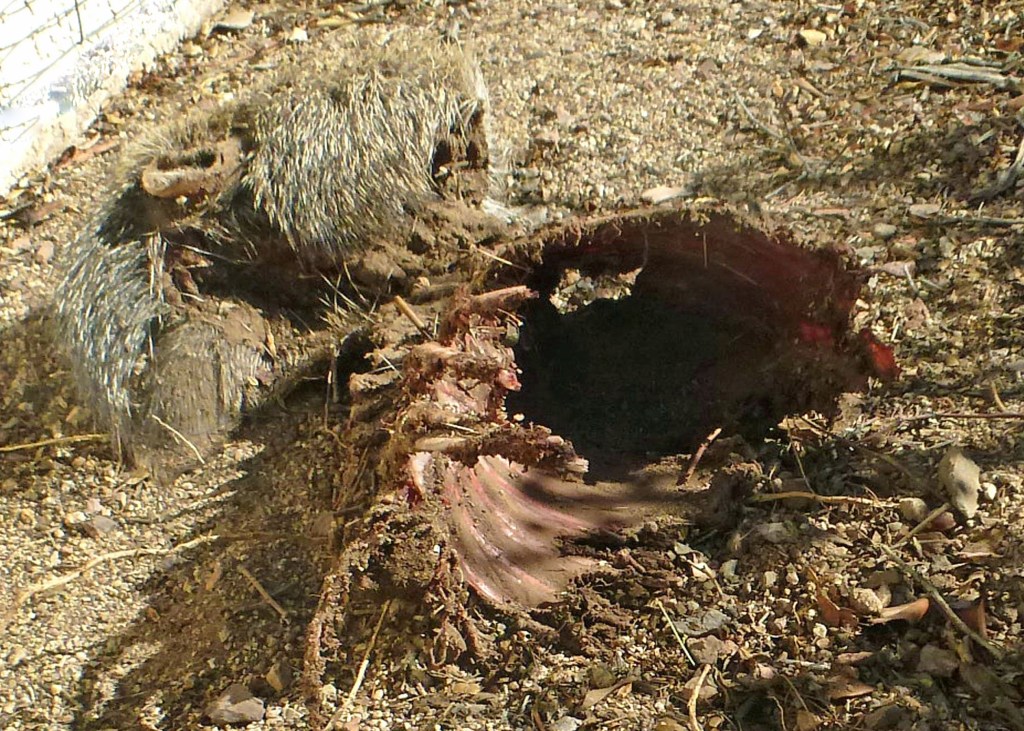
The following images may be gruesome for some. So, be forewarned!
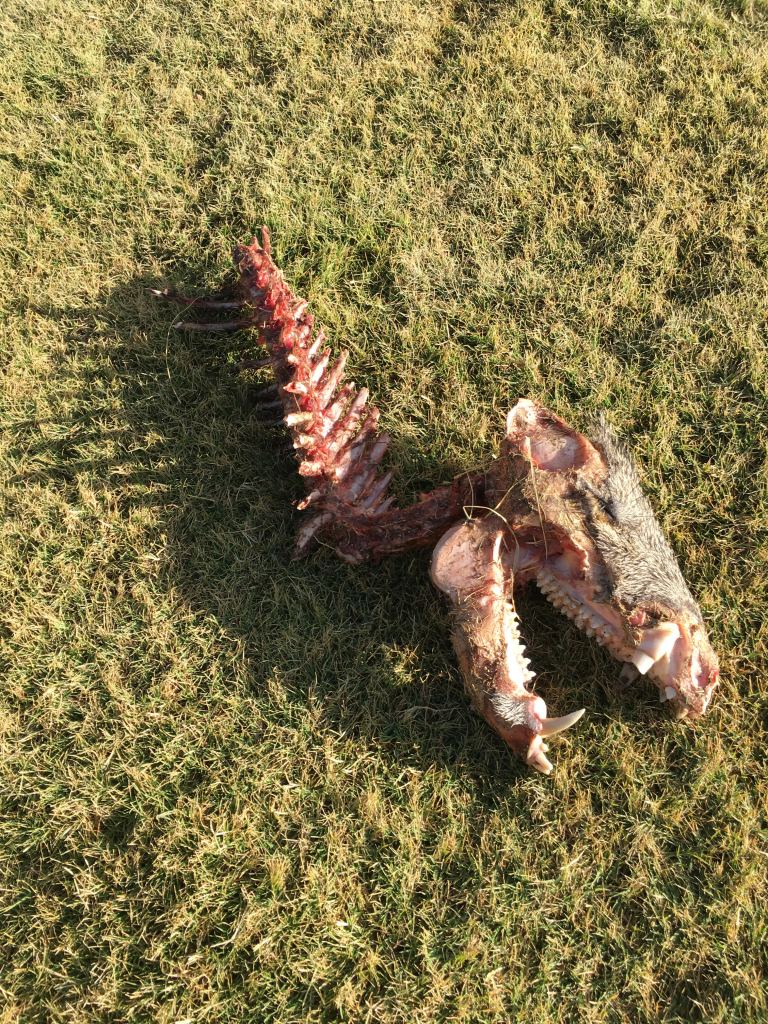
Here is the ribcage and skull of a Javelina that a mountain lion brought onto our property one night. Knowling that the lion may return the next night and fearing for our pet dog, I threw the carcass into a ravine close to our property,
The next morning, I discovered that the remains of the Javelina had been moved from the ravine to a grassy patch near our house, suggesting that some coyotes had found and finished off the creature.
To end on a more palatable note, here is part of a multi-generational herd of Javelinas on a neighbor’s property
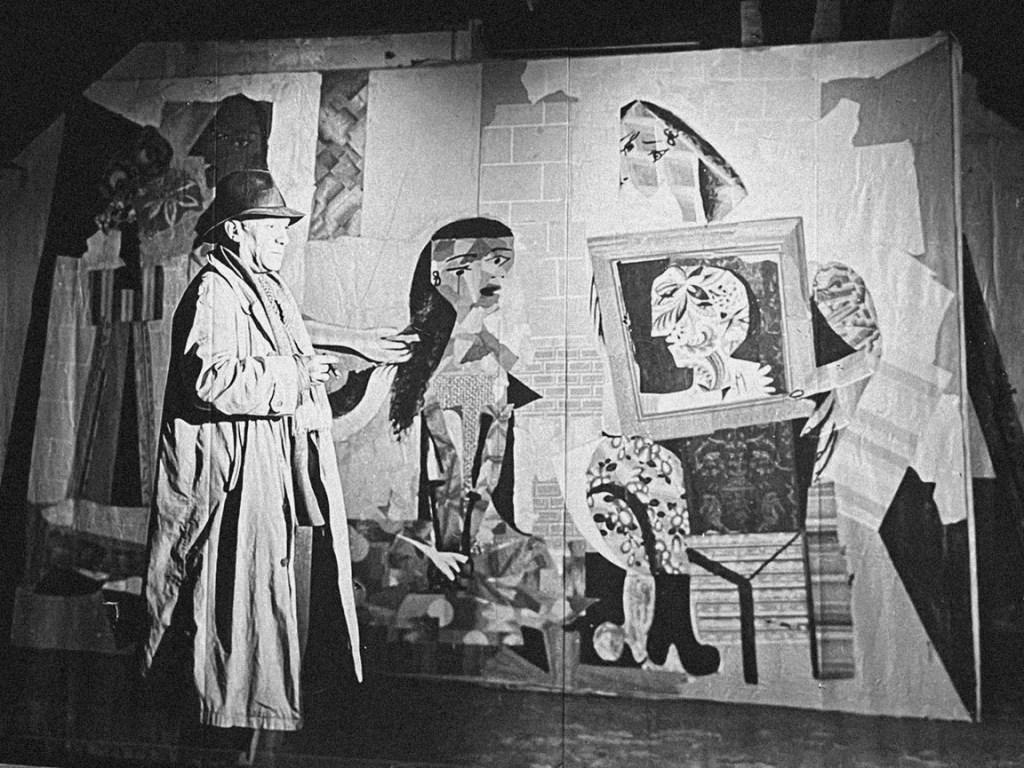
Here he is, in front of his 1938 creation, “Women at their toilette”, a Surrealist work using collage and gouache mediums. This month marked the end of an exhibition on “Picasso and Paper” at the Cleveland Museum of art. The exhibit was a chronological overview of Picasso’s career and experimentation with paper over about eighty years.
Cleveland Museum of Art, Picasso and Paper Exhibition
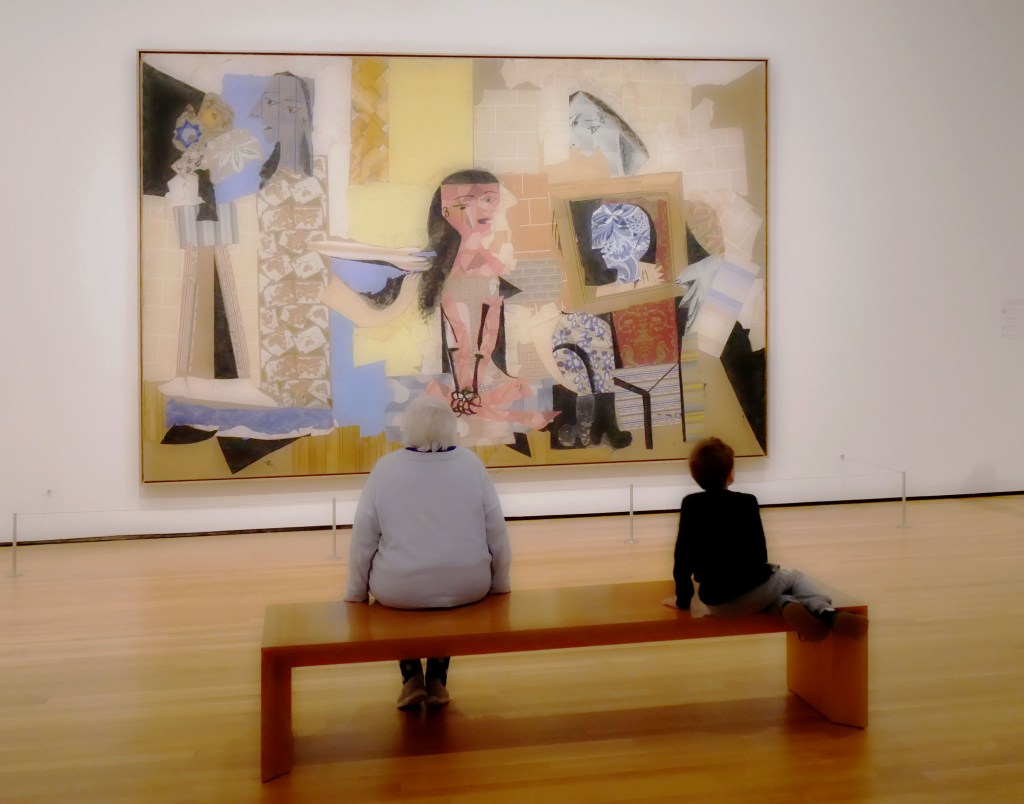
There were nearly 300 works. One could view all of them, but there were too many to examine closely. So, we chose a few to spend time with. I took photographs, not to duplicate what we saw, but to try to capture the stimulation we experienced at the exhibition. So, here is “Women at their toilette”
I created a shimmering ivory tone for the above image to convey the “electricity” of this image that is now over eighty-five years old.
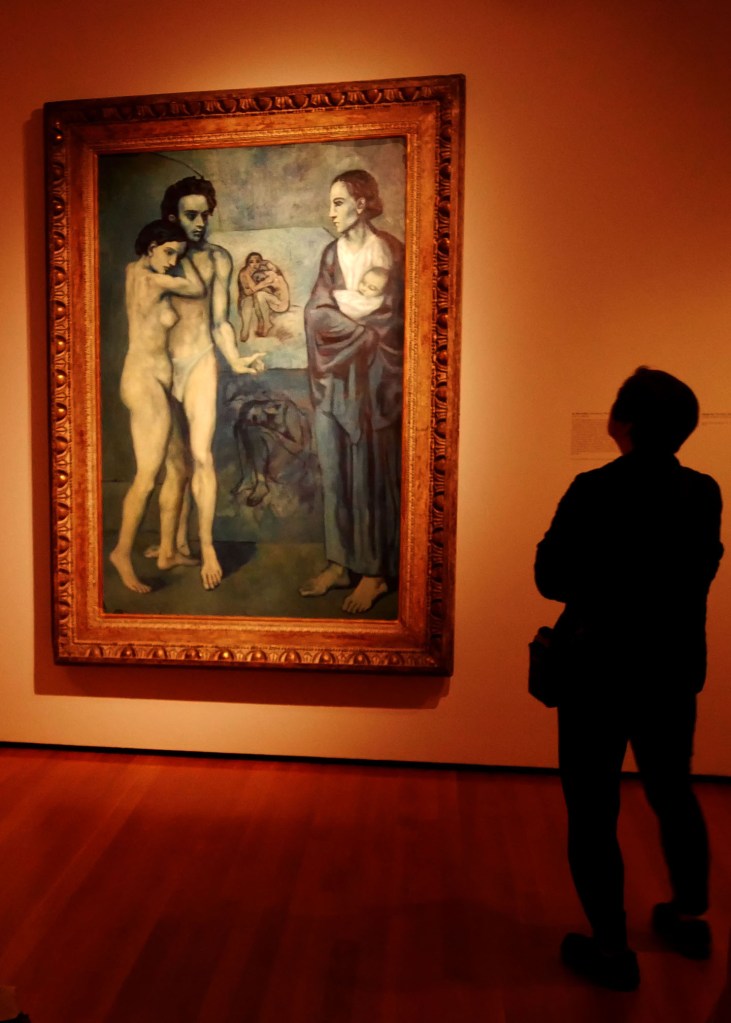
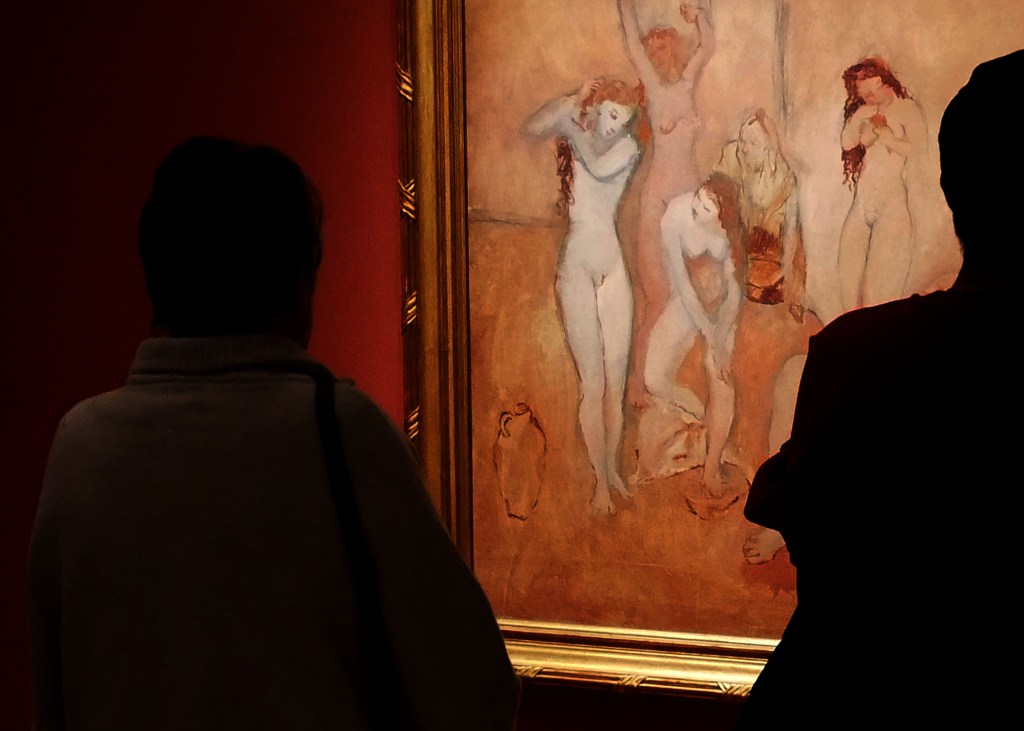
The following image, “La Vie” was painted more than 120 years ago and is now in the Cleveland Museum of Art permanent collection. It is flanked by Picasso’s study drawing for this work. He considered different groups of people and different poses before paining La Vie
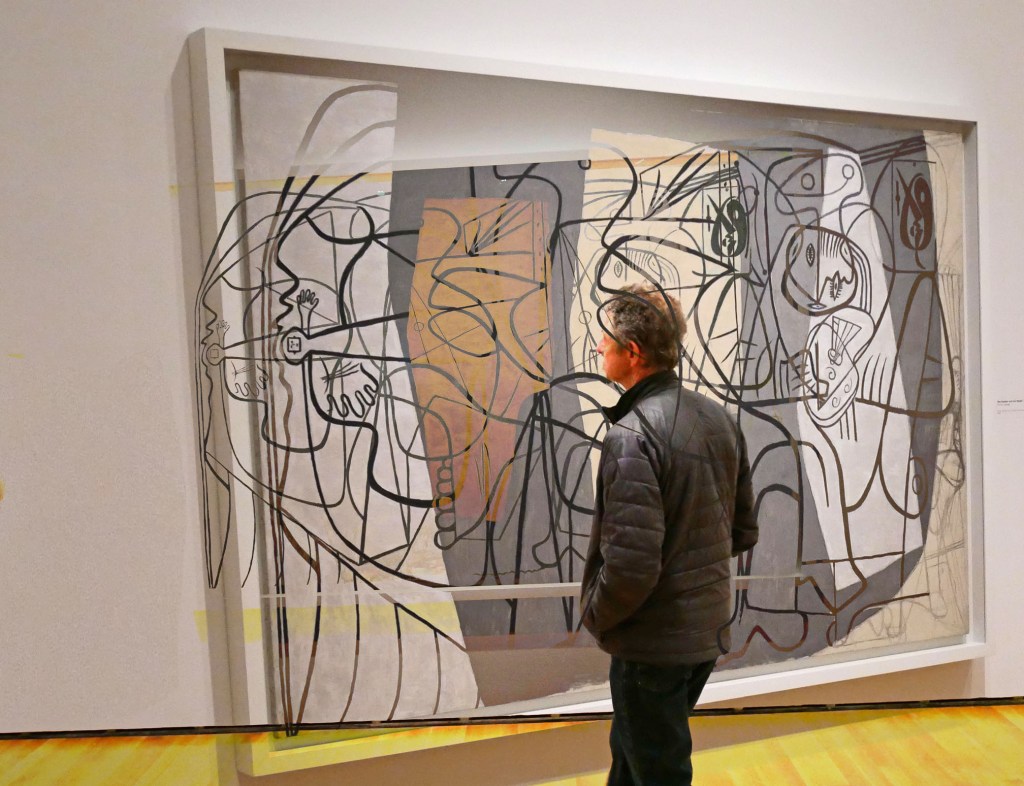
Here is Picasso’s “The Painter and his Model”. But again, I have modified the image, superimposing two views of the work to underscore the point that the image is anything but static.
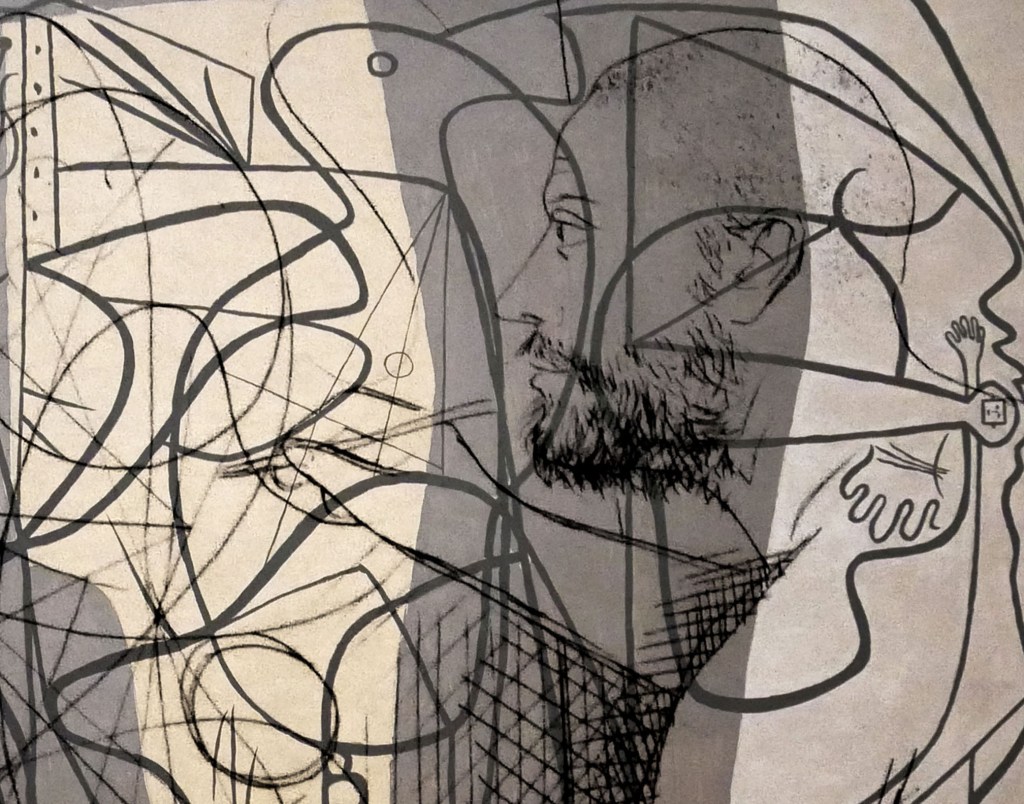
In the following composite, I overlaid a self-portrait that Picasso sketched of himself sketching a model onto a larger drawing of “The Painter and His Model”
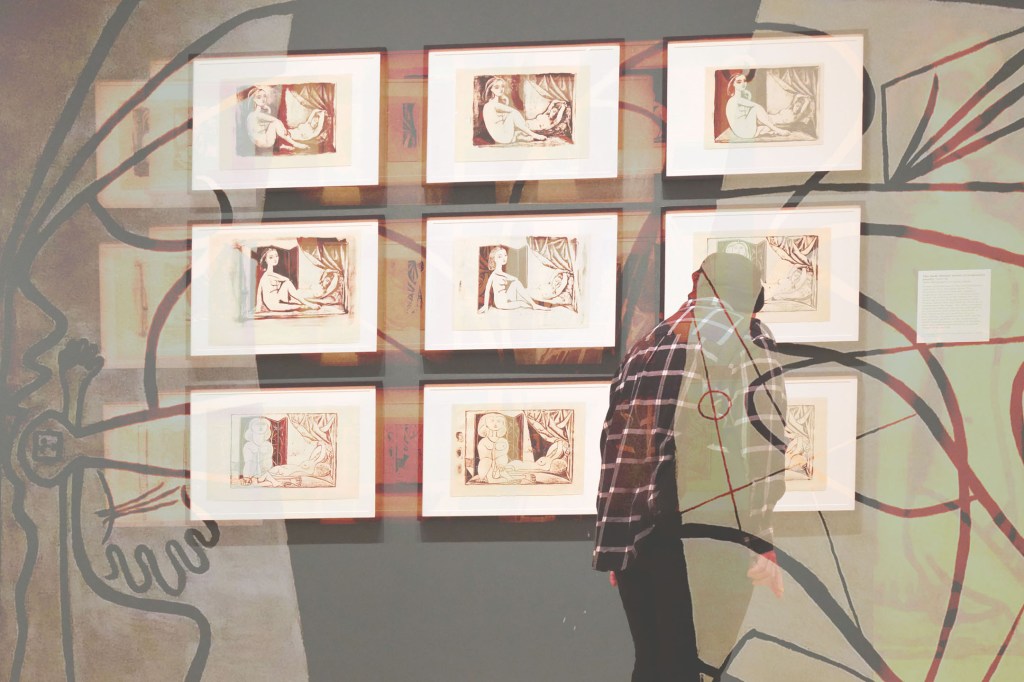
And, one more variation on a theme: The superimposition of nine framed drawing by Picasso onto his larger “The Painter and his Model”.
Finally, here is an image that isn’t very different from how it appeared in the exhibition. Yes, the photograph has been cropped to create a sense of standing close to the image and entering into the beauty of it.
I mentioned at the beginning of this post that the exhibition contained nearly 300 works. In this post, we have viewed only four of them through several different lenses.
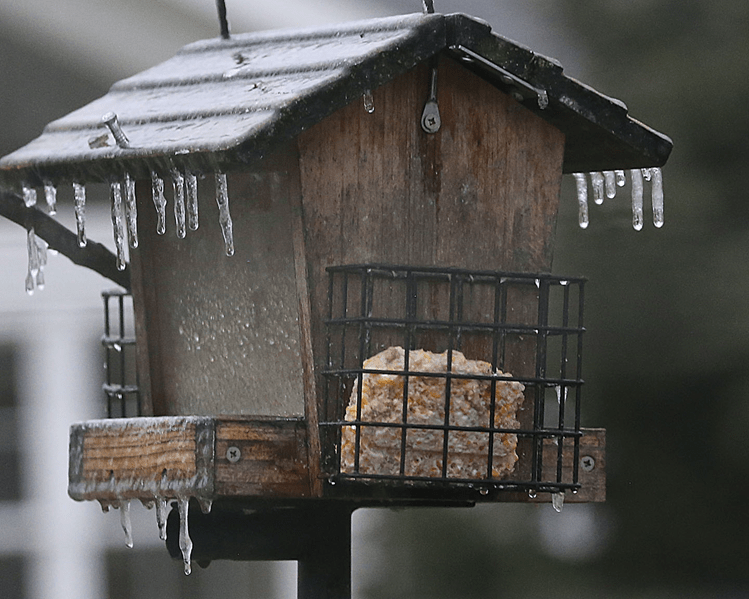
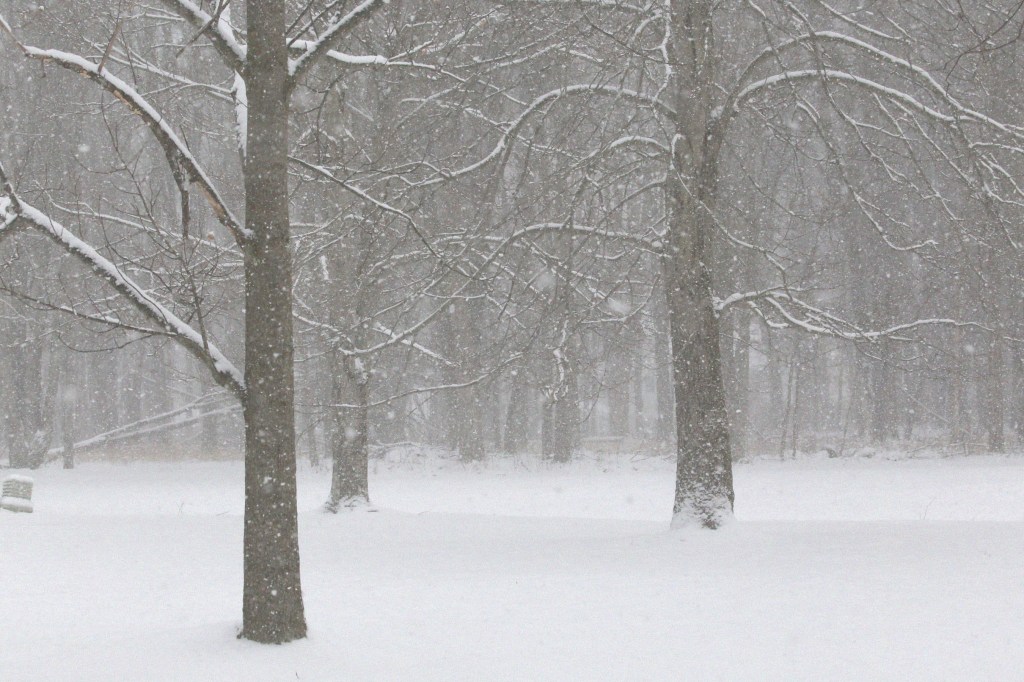
It has been so cold over the past few weeks that the birds haven’t been coming to our feeders. Like most Februarys, I find myself staring out of the window at the cold landscape feeling mildly depressed that winter seems never ending.
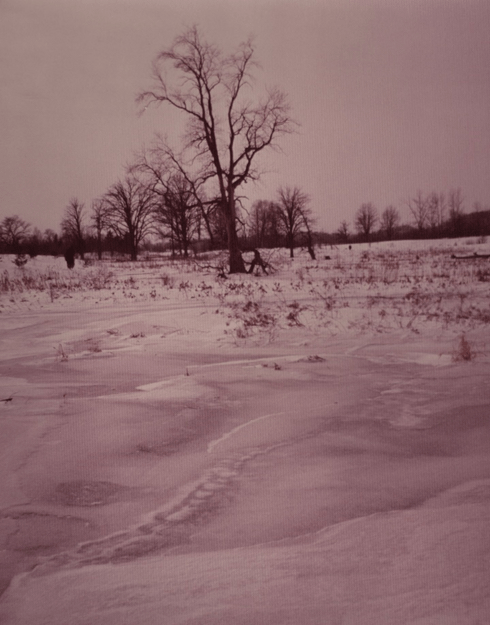
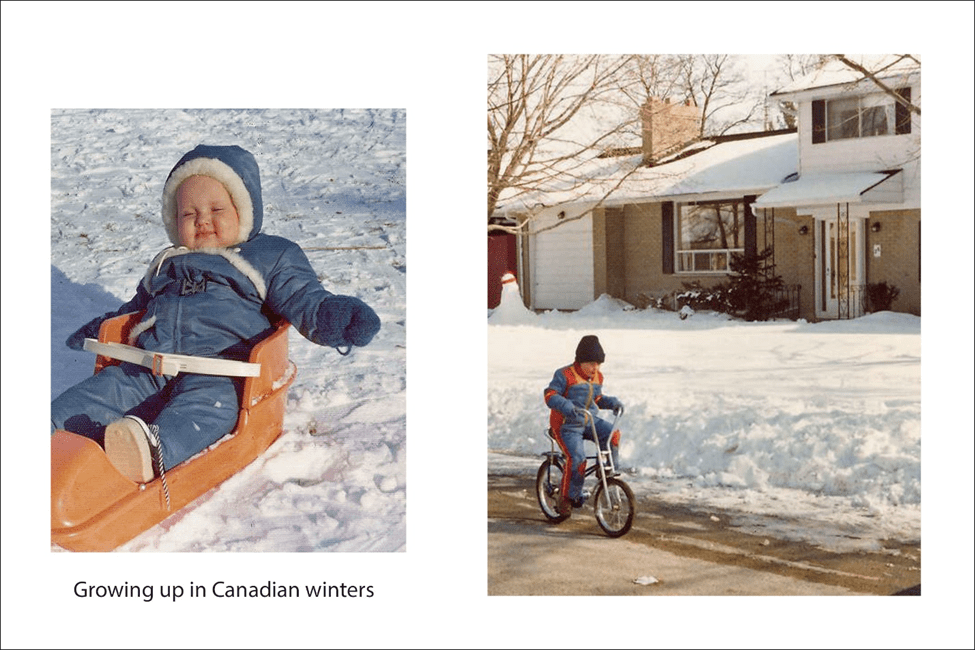
At this time of year, I seem to spend too much time standing at the window and looking out at the monochromatic bleakness. And my mind goes back fifty years …
…. to our first year in Canada when I took the above photograph in the frozen Ontario countryside. But then, there’s the realization that we felt differently about winter in those days.
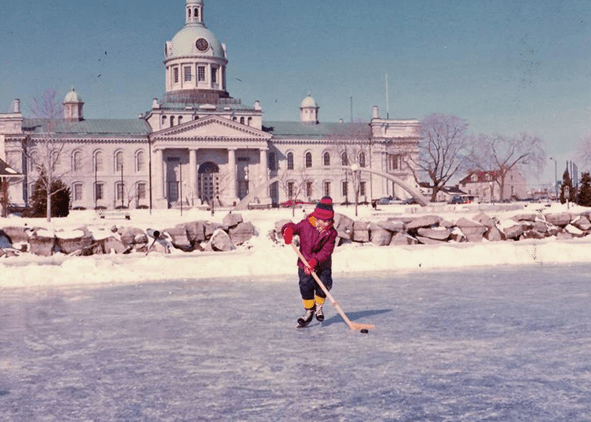
Ice hockey on Lake Ontario
It didn’t take long for the children to learn to skate. Here’s our son, Adrian, on the frozen lake in front of Kingston’s city hall.
We embraced winters back in the seventies, and even wrote some poetry:
But, now in one’s mid-eighties, standing by the window, looking out at the falling snow, one’s mind goes back to warmer winter’s past.
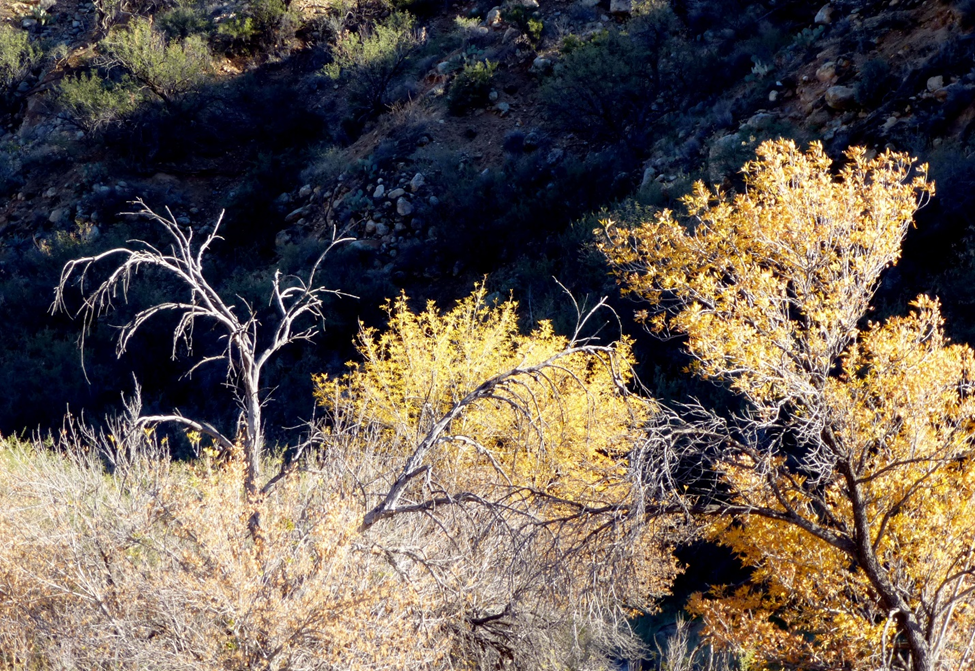
On the cloudless days of February in Southern Arizona, we hiked the foothills of the Santa Catalina mountains not far from home where the shimmering golden Cottonwood trees were the only sign of winter.
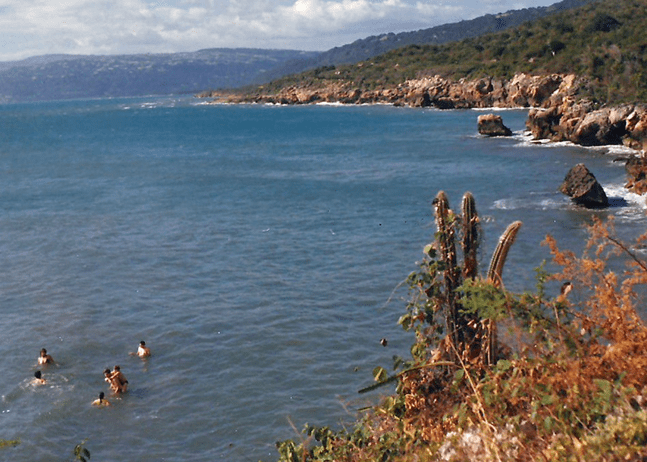
And, before that, during our time in Jamaica, February was when the tourists came to escape winter.
Port Antonio, North Coast, Jamaica
And we would find a secluded place to escape the tourists and swim in the warm waters of the Caribbean.
Alligator Pond, South Coast, Jamaica
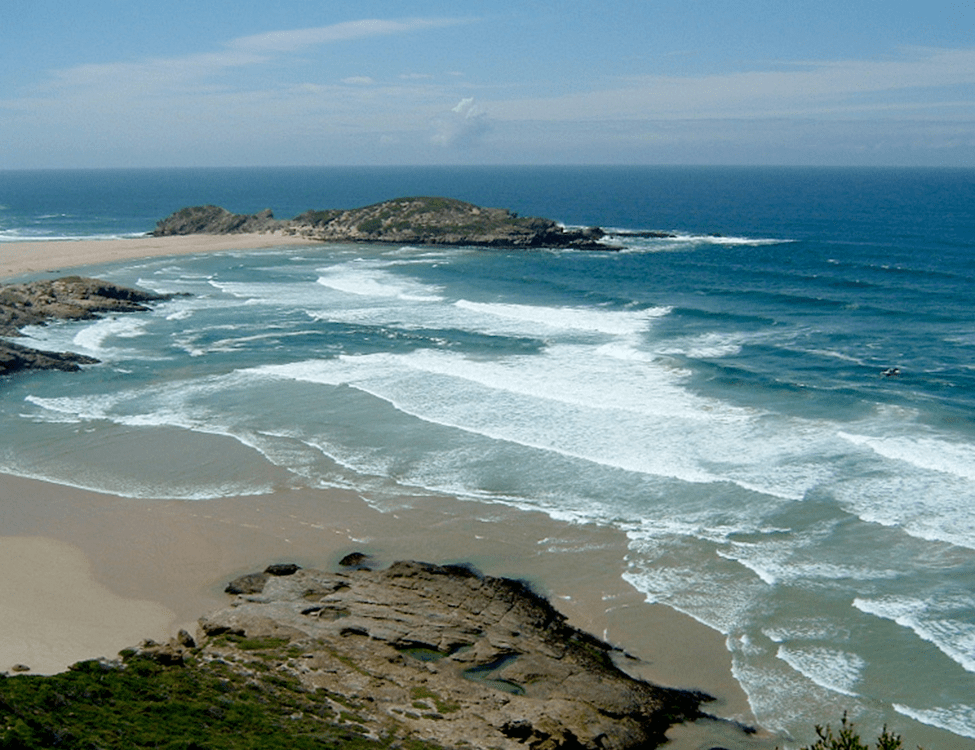
And we would talk about when we swam in the Indian ocean and of our native South Africa when February meant long summer days on the most beautiful beaches anywhere.
Robberg Peninsula, Garden Route, South Africa
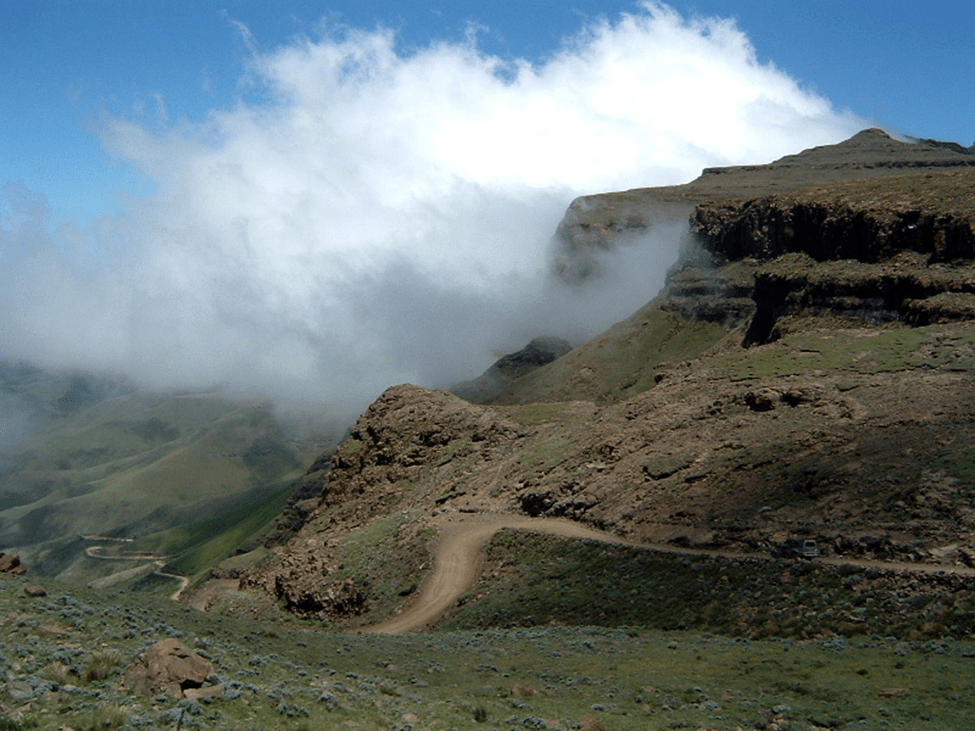
And, because it was still summer in February when we returned for a vacation twenty years ago, we hiked at 3000 meters in the Drakensberg Mountains.
Sani Pass, Drakensberg, South Africa
But these are just memories that, if anything, make today’s North American winters seem even colder. And, looking out the window, the snow is still falling, and I am reminded of my Irish grandfather and of the final paragraph of James Joyce’s short story, The Dead.
Yes, the newspapers were right: snow was general all over Ireland. It was falling softly upon the Bog of Allen and, further westwards, softly falling into the dark mutinous Shannon waves. It was falling too upon every part of the lonely churchyard where Michael Furey lay buried. It lay thickly drifted on the crooked crosses and headstones, on the spears of the little gate, on the barren thorns. His soul swooned slowly as he heard the snow falling faintly through the universe and faintly falling, like the descent of their last end, upon all the living and the dead.
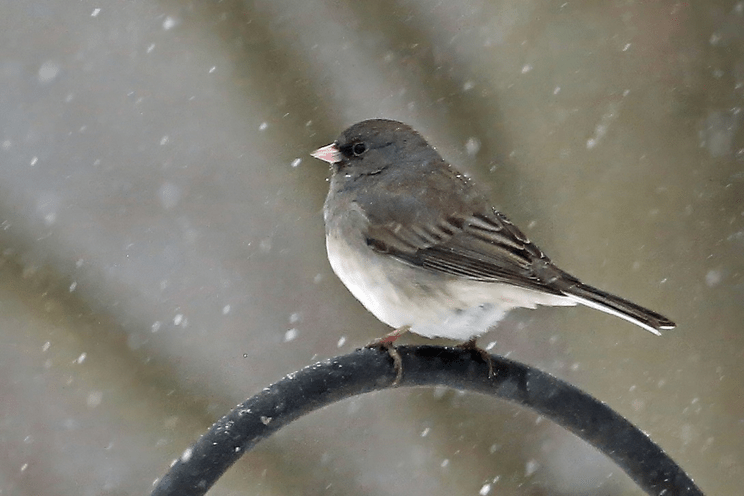
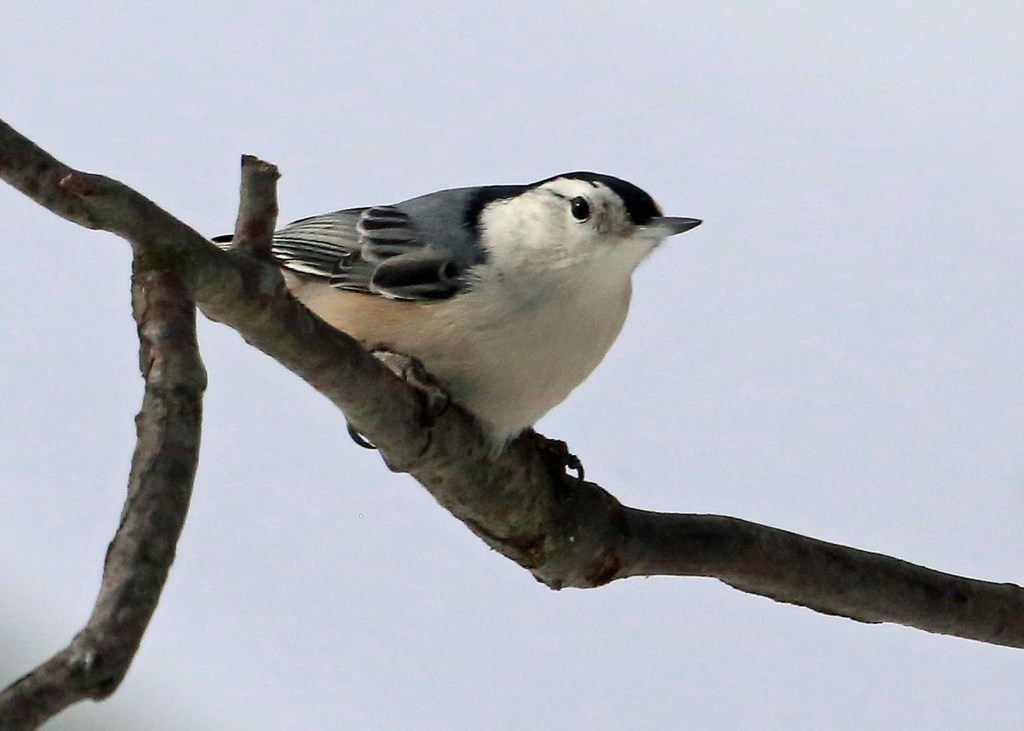
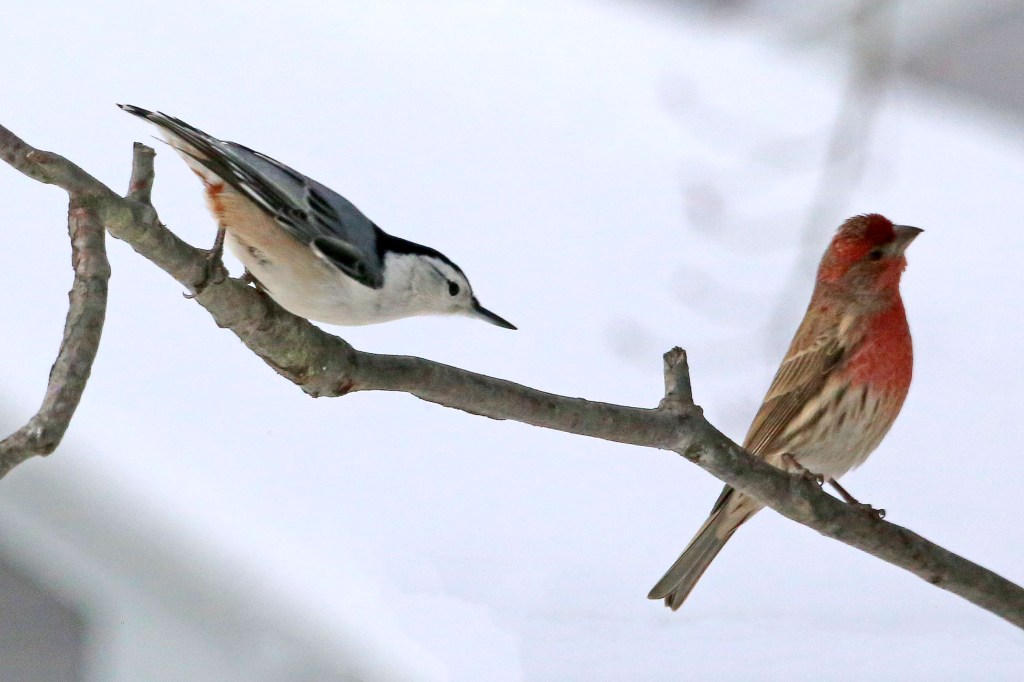
And suddenly I notice a bird, a junco, perched on the feeder pole. Life goes on.
This morning it was -3 F (-20 C), unusually cold for Northen Ohio on the shores of Lake Erie and a good day for staying at home and enjoying some of the art and artifacts that we’ve collected over the years. One of the benefits of blogging about these things is that it makes one look more carefully at them and appreciate them anew.
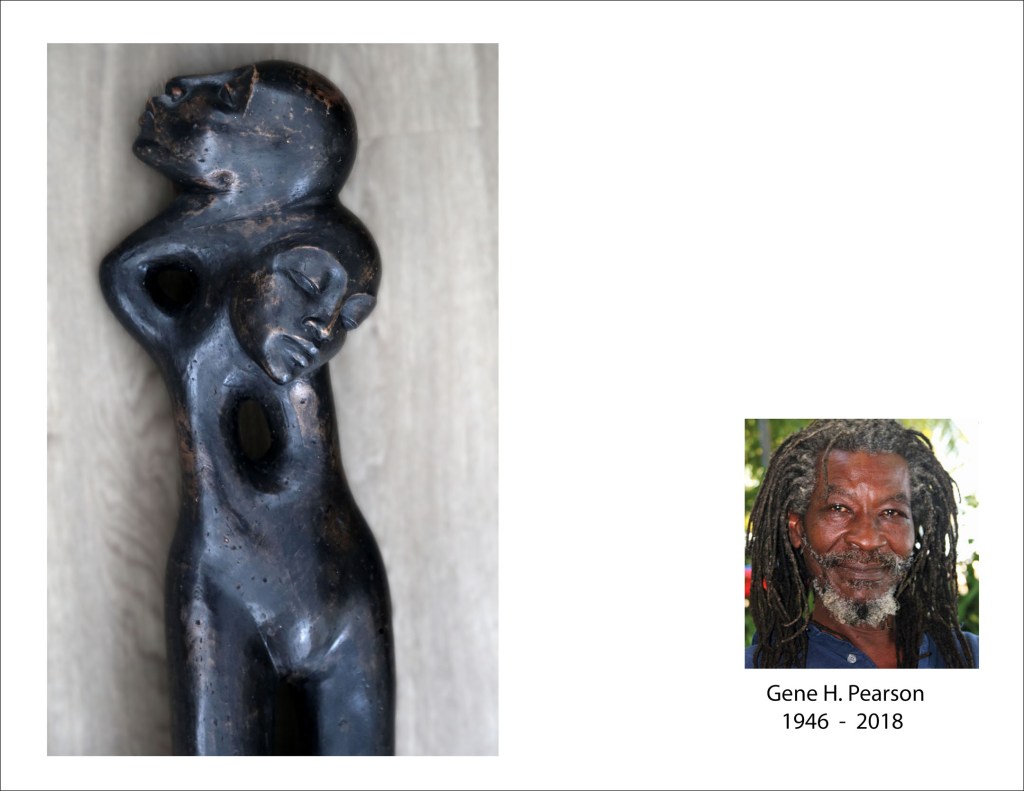
The Dancers, Gene Pearson, Harmony Hall, Jamaica, 1985
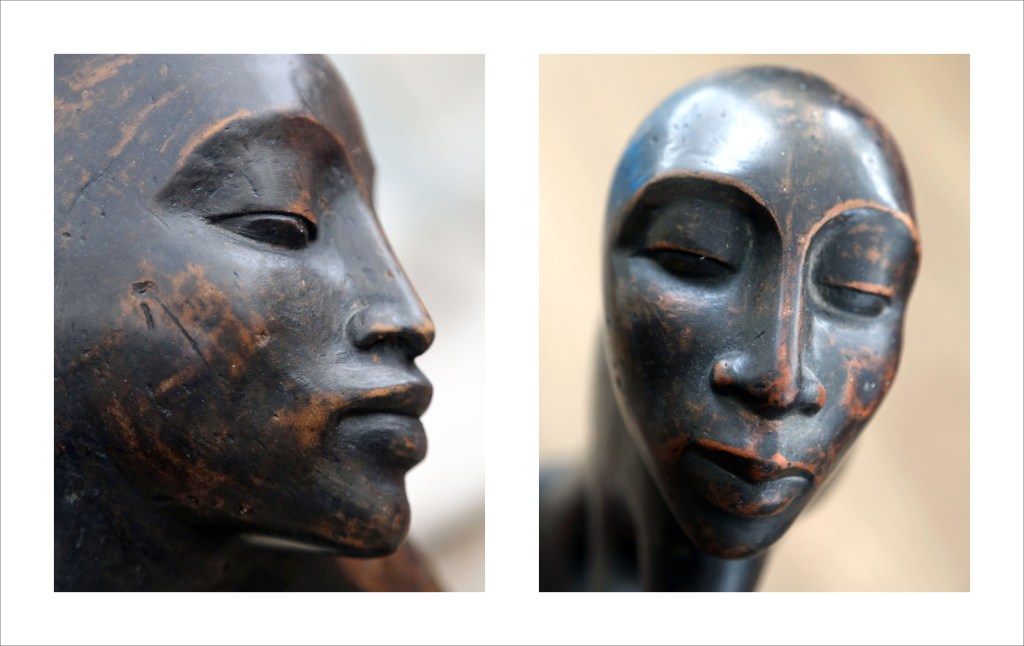
We bought this 60 cm high ceramic sculpture 40 years ago in Jamaica when we lived there. Gene Pearson was one of the earliest students at the Jamaica School of Art, returning in 1970 to teach ceramics for ten years. Based in Kingston, his work has been exhibited widely including at the Victoria and Albert Museum in London and UC Berkeley in Berkeley California. We were drawn to his signature Nubian masks and heads for which he became known internationally. We had mixed feelings about the strange superimposition of two heads one body. Yet, the individual heads were so expressive, we couldn’t resist acquiring the sculpture.
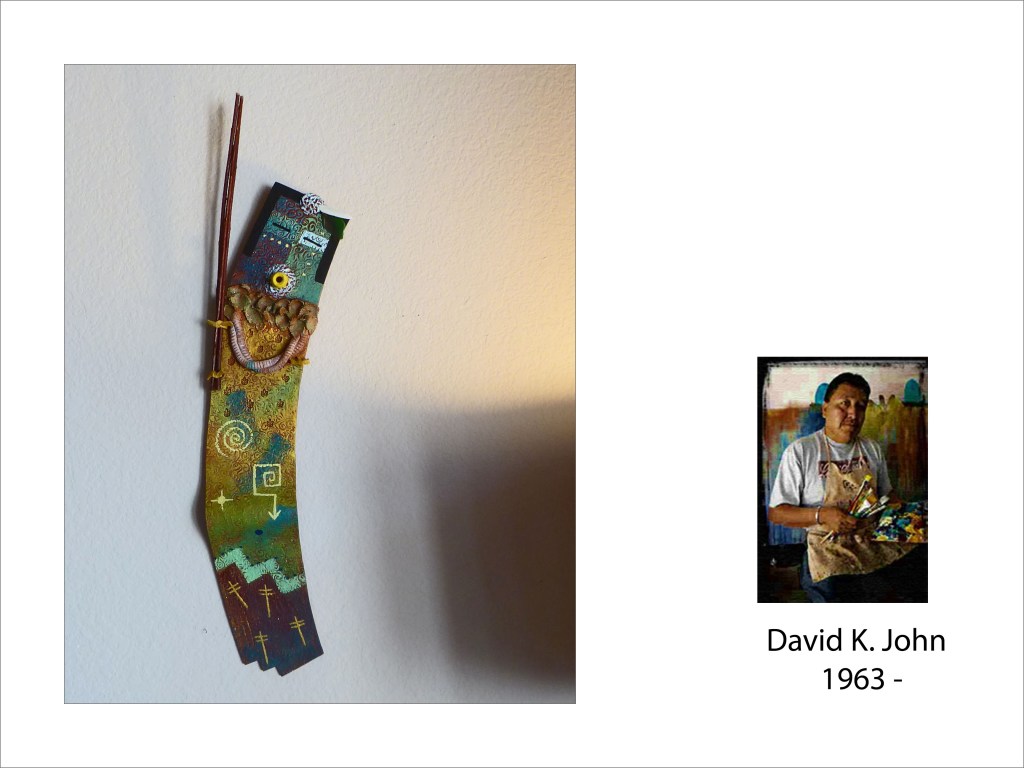
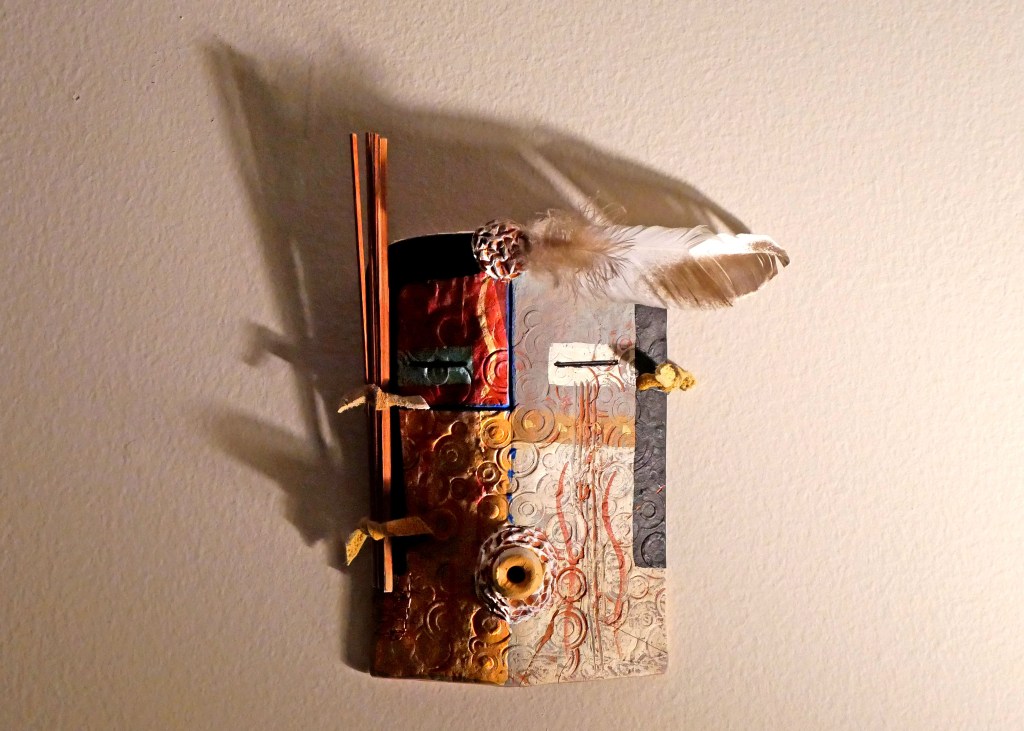
Nearly forty years later and 2.500 miles distant, we were attracted to another ceramic piece of art.
Born in 1963 in Keams Canyon in the Navajo Reservation, Arizona, David John is best known for abstract Indian symbolism painting, sculpture, and ceramics. Soft-spoken and humble, John admired his Grandfather, a medicine man who instilled profound, spiritual beliefs in the young Dine. John spent much of his childhood attending healing events-from seasonal rituals to sand painting ceremonies where he often participated and was instructed by the most revered members of his culture.
John is specific about his use of color. Like most native American tribes, the Dine (Navajo) associate particular colors with the four directions: yellow-the west, white- the east, turquoise-the south, and black- the north.
John’s characteristic messenger is the Yei Be Chei, an ethereal messenger to the Navajo. Since exact replication of the sacred icon is taboo, he modifies the image to the satisfaction of his tribe’s spiritual leaders. According to collectors, the alteration does not affect the impact of the painting’s message.
Looking around the house, we find more ceramic works but in very different genres.
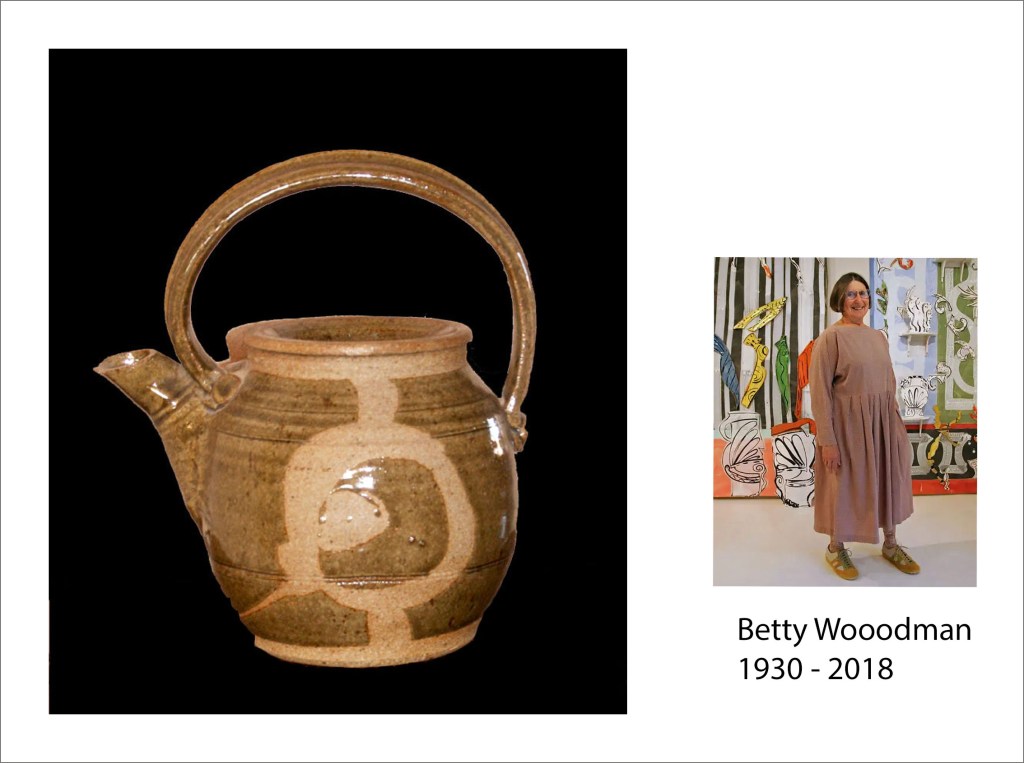
Tea Pot, a gift from Aunt Betty in 1969.
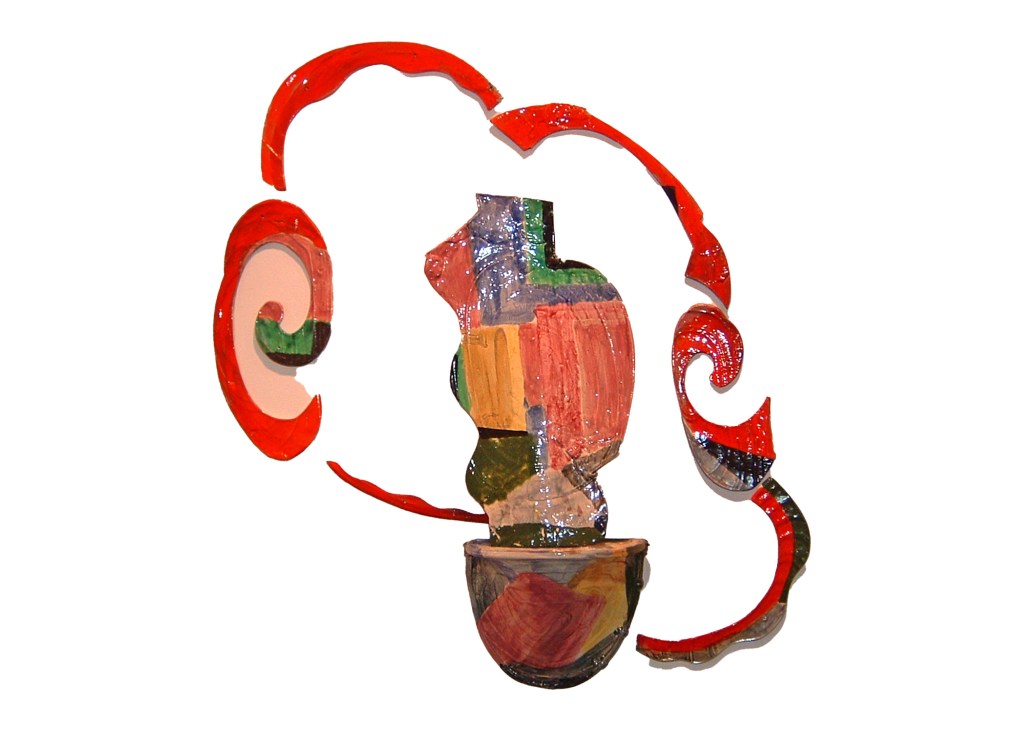
In the 1970’s, Betty’s work took a new turn as she deconstructed the traditional ceramic household vessels. “I make things that could be functional, but I really want them to be considered works of art.” And, increasingly it seemed, she moved from three-dimensional objects to flatter two-dimensional ceramic pieces.
Betty Woodman’s evolution from artisan to fine artist as illustrated in the two preceding images, culminated in a retrospective in 2006 at the Metropolitan Museum of Art, its first for a living female artist.
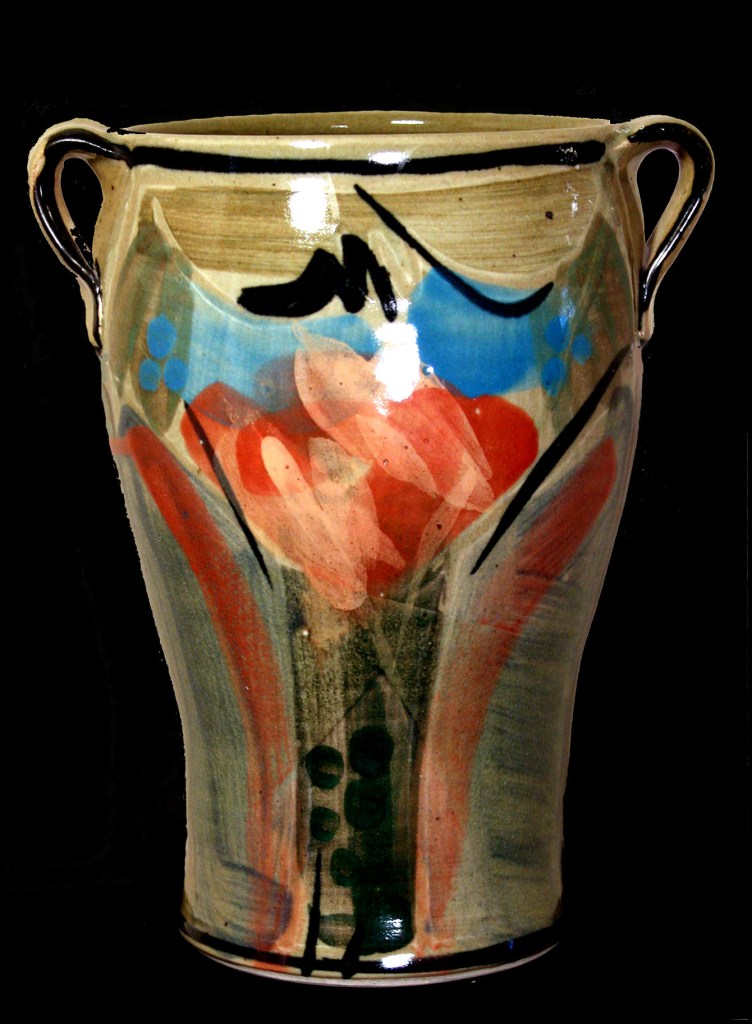
Elsewhere in the house, we find a vase, the work of a Canadian acquaintance from thirty-five years ago.
Margaret Hughes, Kingston, Ontario, 1990
Here is a good example of what Betty Woodman was talking about: The deconstruction of a household item that, while still possibly serving a functional purpose, is an expressive work of art.
And, while on the subject of ceramics, I should include another object that we have sitting on a mantlepiece.
‘Cawl” or soup bowl, Llanelli Pottery, Wales, 1839 – 1922
The bowl, a gift from a grandmother, was likely made in the early 1900’s. ‘Cawl’ was the staple diet for families in the country. It consisted of a clear soup made of boiled meat, vegetables and chopped parsley. The bowl has a pleasing form, decorated with attractive sponge imprints. The pottery made in the factory at this time was of poor quality, tending to ‘craze’ into fine cracks.
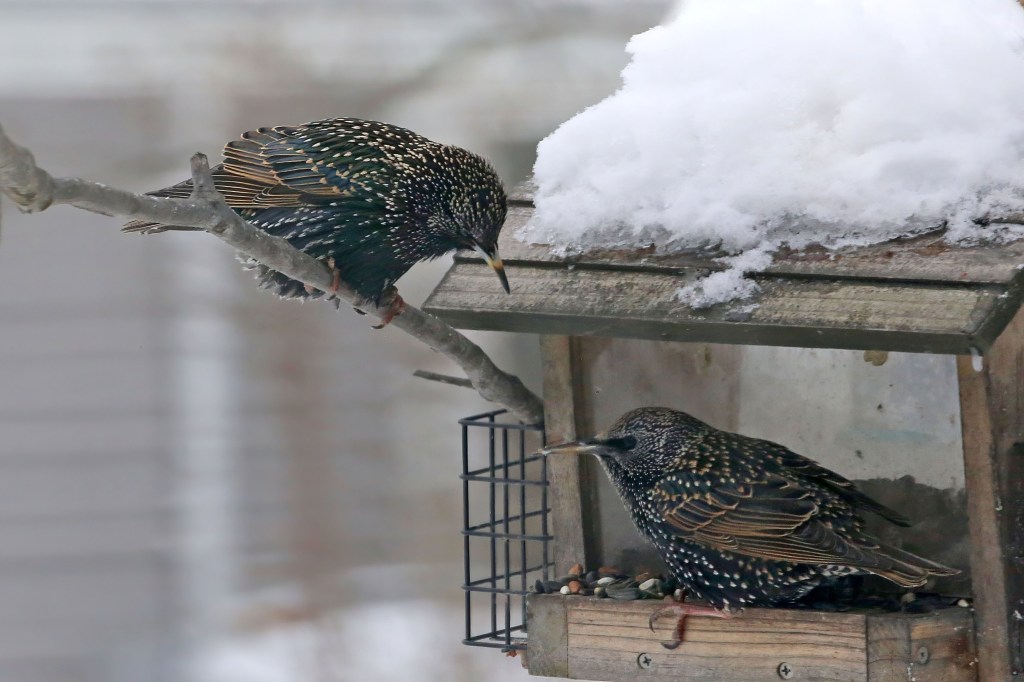
I hear the furnace turn on, reminding me of the cold outside, and looking out the window, I see starlings at the feeder, undeterred by temperatures below zero.
Aphrodite is the ancient Greek goddess of love and beauty whose Roman doppelganger is Venus.
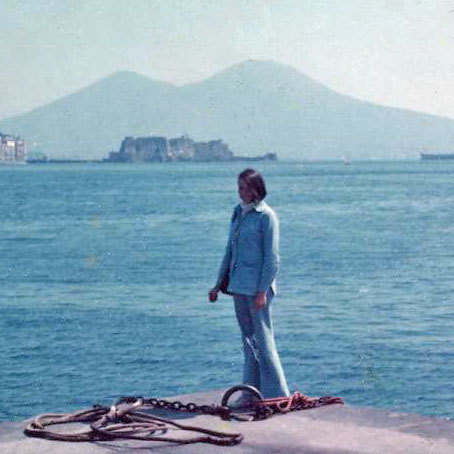
In Naples en route from South Africa to Canada in 1974
In the background of this picture is Vesuvius, and it was in Pompeii where we went without lunch to buy our little statue at the start of our married life together.
The word aphros means “foam” which, according to the Greek poet Hesiod in 700 BC, was produced by the severed genitals of Uranus after his son Cronus threw them into the ocean, and from which Aphrodite was born.
The castration of Uranus, Palazzo Vecchio, Florence, Italy
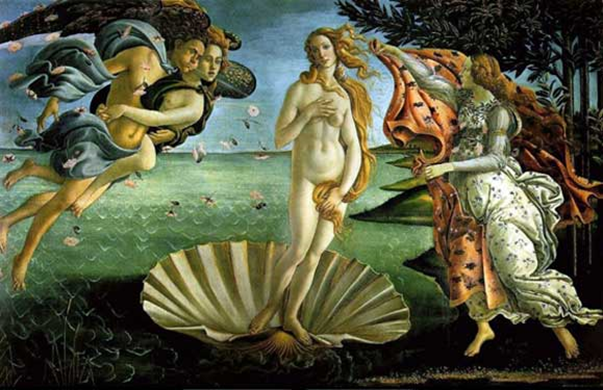
The birth of Venus, Boticelli, 1496
Ten years later, when Lil and I gazed at the well-known Birth of Venus at the Uffizi in 1984, we were oblivious of her gruesome origin and countless affairs with both gods and mortals. For us, Aphrodite (Venus) was simply the goddess of love.
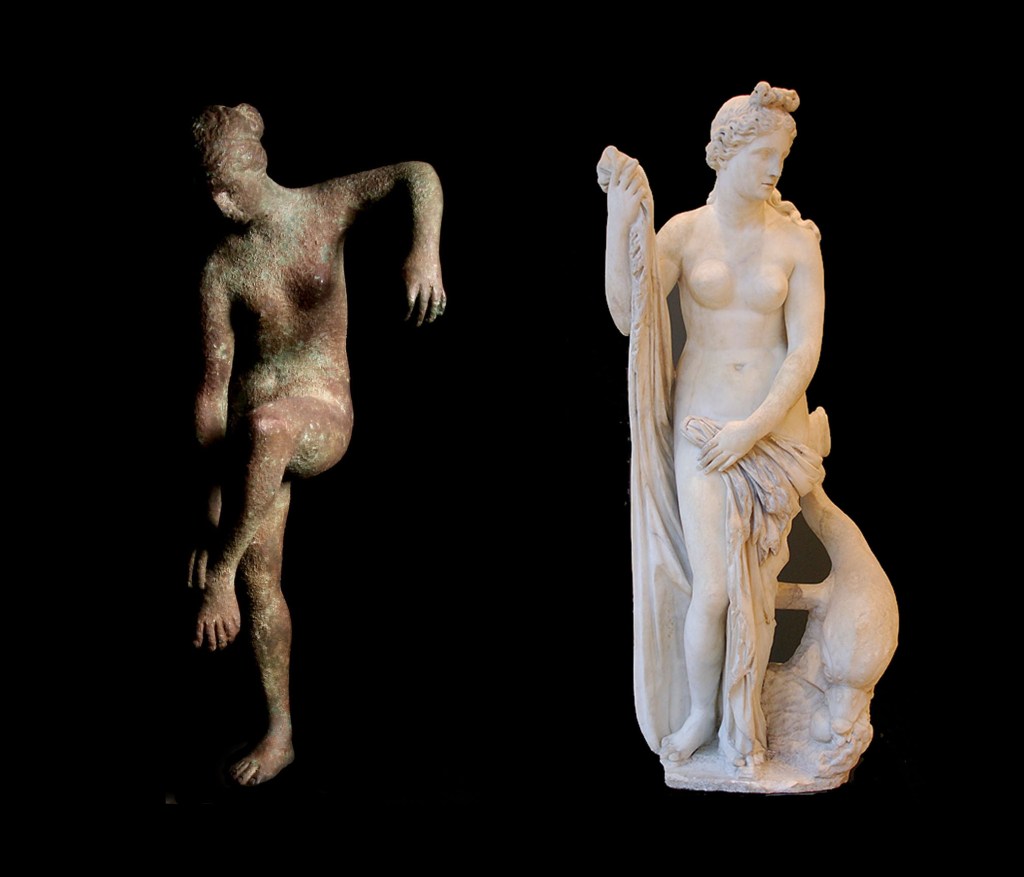
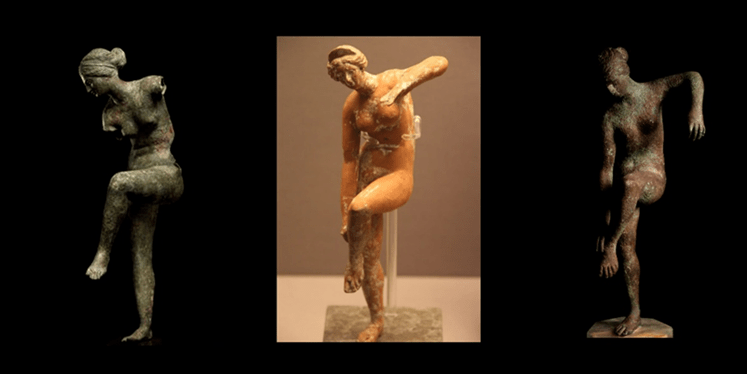
These three very similar statuettes portray Aphrodite. The original was probably the small terracotta sculpture in the center that is now in the British Museum and dates back more than 2200 years. The bronze on the left, also in the British Museum, is an equally old copy. Our little statue is a fine art reproduction and, although there must have been hundreds produced around the time we bought it, the beauty of the original is faithfully conveyed.
Aphrodite was the only beautiful presence in the scrubby little furnished apartment above a convenience store that was our first rented home upon arriving in Canada. She was wrapped, packed, transported and unpackaged fourteen or fifteen times as we moved from apartment to house, from city to city in Canada and later to Jamaica where she watched our armed robbery but was herself left unscathed. Then to the United States to watch the children grow. Then back to Ontario followed by Quebec, only to return to Ohio followed by Arizona, then back to Ohio where Aphrodite, now fifty years old, is quite at home in our retirement community.
My girlfriend’s mother wore a yellow housecoat. It took the place of sunlight that never found its way into the block of concrete, they called home: One bedroom and a porch for five, six with me, crammed around the table in the entranceway to talk and drink coffee.
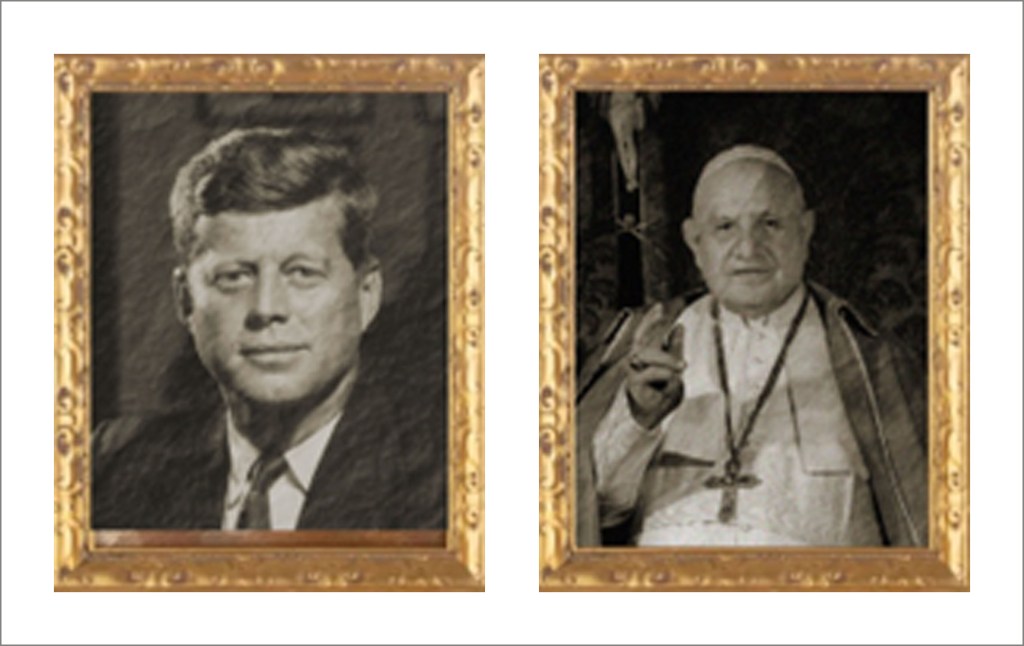
An opening to the living room was blocked by a velvet rope looped between brass poles suggesting you should wait to be seated, but the wait, you knew, would never end. Beyond the barrier, white pile carpeting still bore the imprint of vacuum tracks curving under a polished coffee table decorated with doilies, starched white to match the lampshades, pristine in their protective cellophane. And the sofa, its virginity intact, sat proudly under plastic covers in which it had been delivered six years before. Above hung two photographs, Kennedy and Roncalli, President and Pope.
“They’ll probably never visit”, my girlfriend’s mother said, her housecoat glowing like a priestly garment in her holy of holies. “But if they ever did, I’d be ready.”
The fifth in a series looking around our home at the paintings, prints and objects we have picked up over the years, not because they are of any particular valueother than that we enjoy them
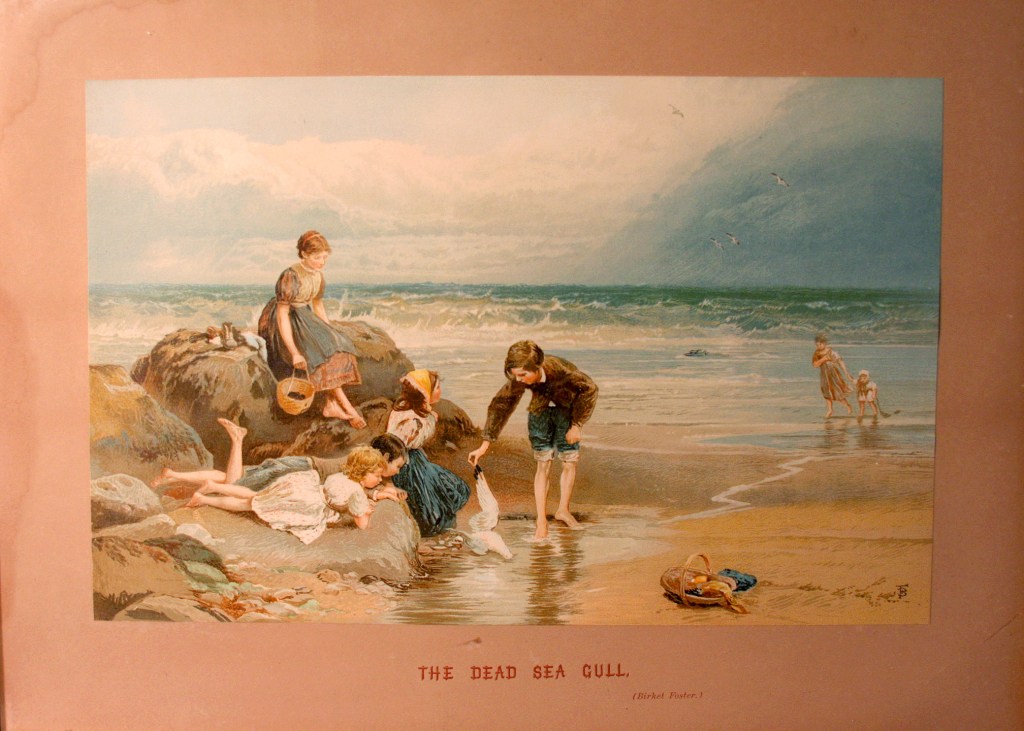
This is a lithograph by Myles Birket Foster (1825 –1899), a British Impressionist. He was one of the most popular watercolor artists of his time, and his idealized, sepia-toned prints and paintings were reproduced on the cover of various magazines and books. The lithograph belonged to one of our grandparents and we found it in a box of discarded items in a storeroom. Dating back to the British colonial era in South Africa, this kind of naturalistic and idealized print was very popular, evoking a sense of connection with England. Lilian and I like it because it evokes memories of our own childhoods on South African beaches more than seventy years ago. We would spend hours wading in the rock pools at low tide, picking up shells and pieces of seaweed, scattering the very small fish that were trapped there when the tide went out, picking up a seagull feather, or chasing a crab: All the time under the watchful eye of a nearby mother. We might as well have been under the watchful eye of Birket Foster as he sketched the scene.
What is it about the ocean that makes such a strong impression on people? In the following diptych a young woman sits on the beach and immortalizes the experience by writing how she feels on the back of the photograph that was taken by her fiancé.
The woman is my mother, and the year is 1940 in Cape Town.
Thirty years later, another diptych:
This is Lilian, fifty years ago.
And now, a triptych:
A granddaughter on the beach in Barbados.
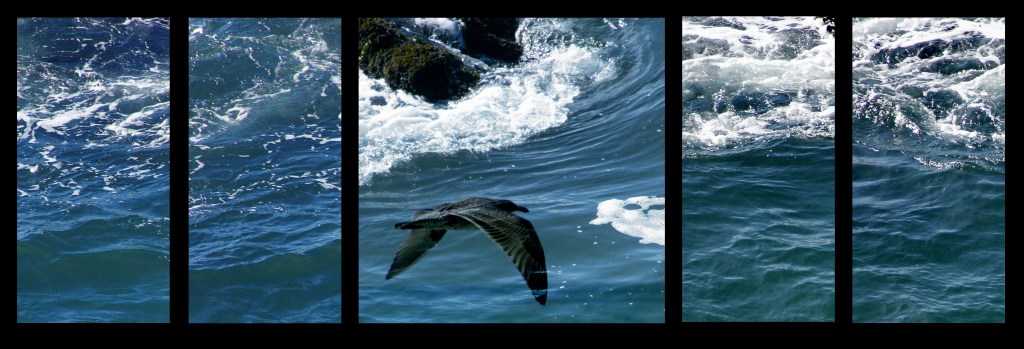
Seventy percent of the earth’s surface is ocean, yet most of us experience it in a personal way with a heightened sense of the here and now. Yet, there is a universality in which we all share. This is illustrated, perhaps, by my five-panel polyptych:
The photographs comprising this polyptych include images of the Pacific, North Atlantic and Indian oceans, as well as the Ionian and Caribbean seas.
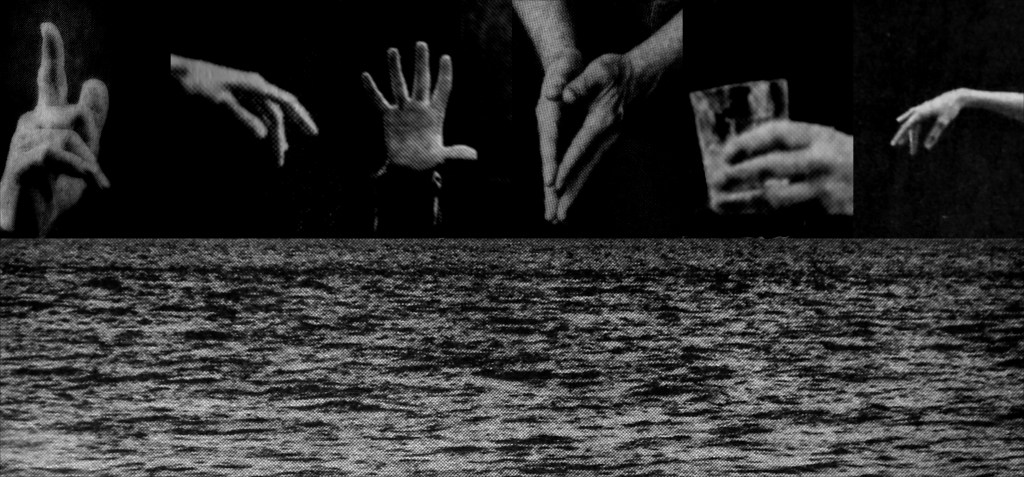
Continuing with the ocean theme, I created the following image using separate images of hands and the ocean that appeared in a single issue of the New York Times. The viewer is naturally free to find any personal meaning that it may evoke:
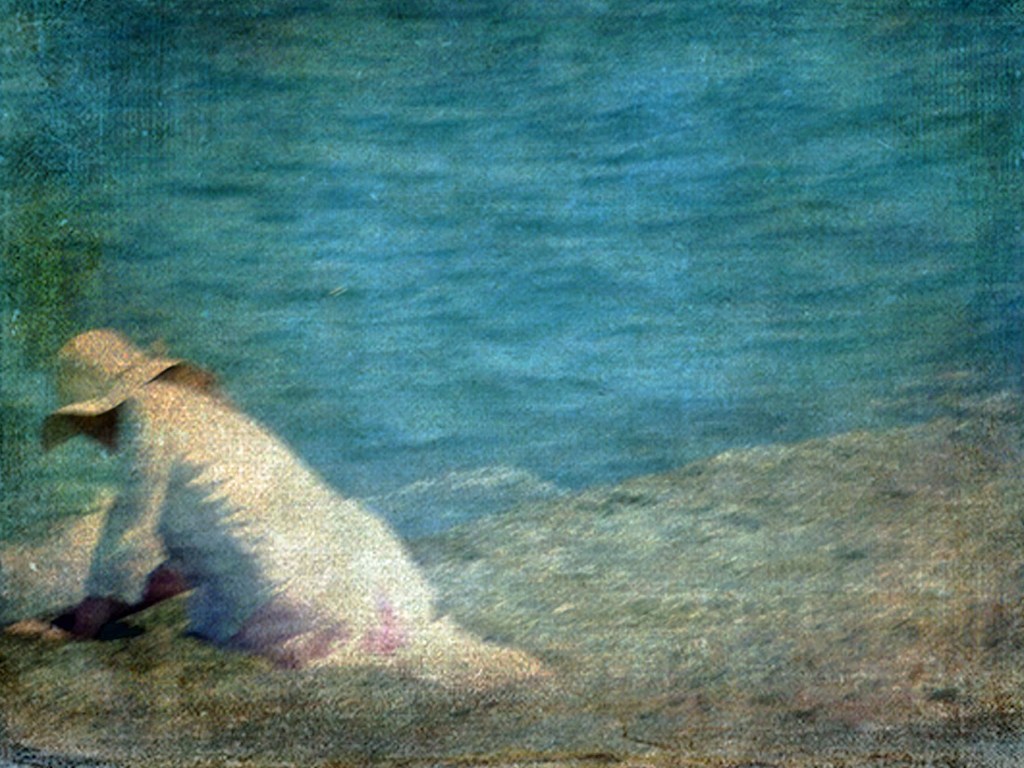
But to return to the more tranquil experience of the ocean, here are two images. The first, a photograph I took and manipulated, not by the ocean but on the shore of Lake Erie, one of the Great Lakes.
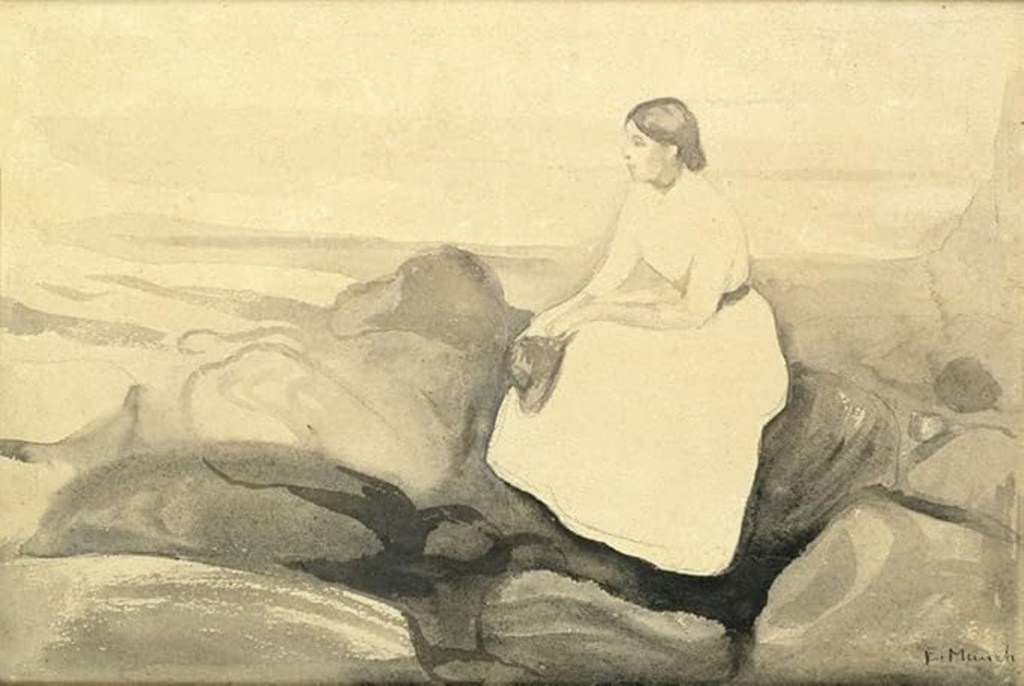
Finally, a drawing by Edvard Munsch of his younger sister, Inger, seated on a rock beside the ocean, an 1889 scene conveying the gentle, contemplative sensibility that we saw in the Miles Foster Birket lithograph with which we started this posting.
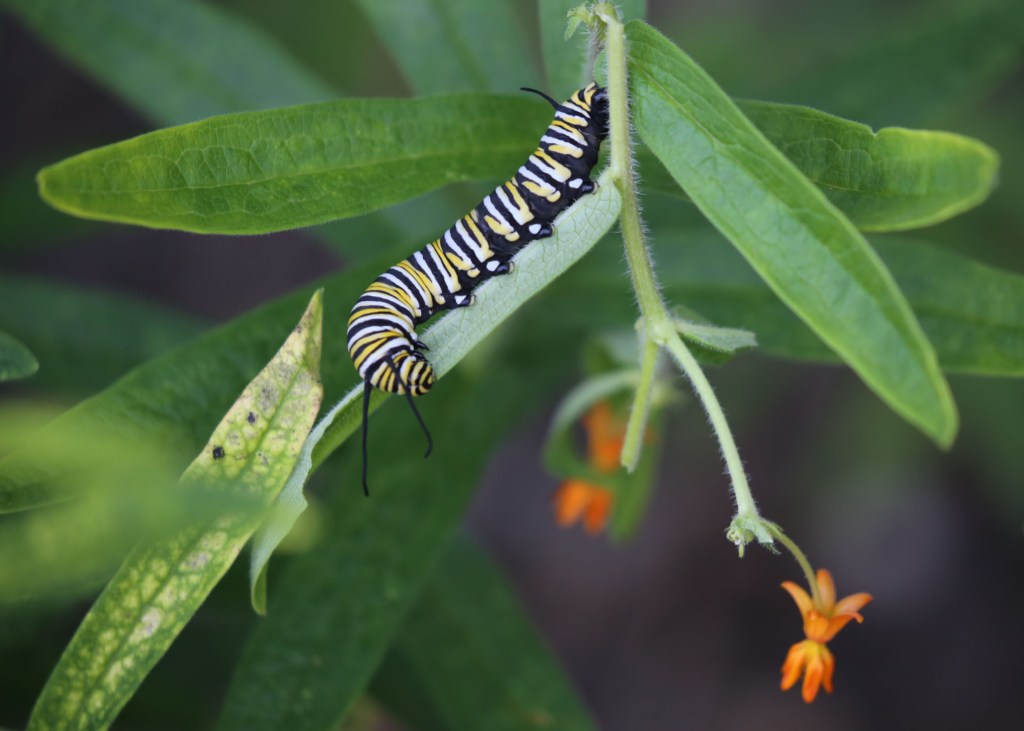
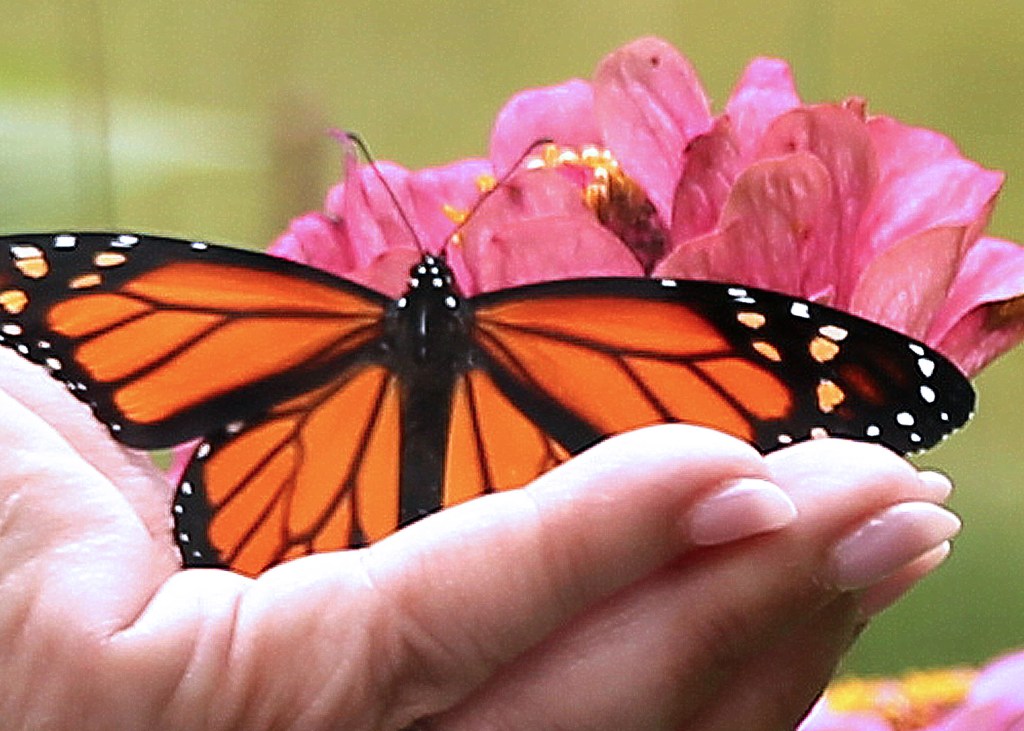
The Monarch Butterfly has laid its eggs, a caterpillar has emerged and has feasted on the Butterfly Weed in the garden. Then it cloaked itself in a green chrysalis out of which a new butterfly emerged two weeks later.
The new butterfly is called ‘imago’ and now has left our garden to join the long migration south.
And the job of the Butterfly Weed (Asclepias tuberosa) is over. All that remains are brown stalks and seed pods that burst open to release their seeds to the wind, seeds that will take root next spring to continue the cycle.
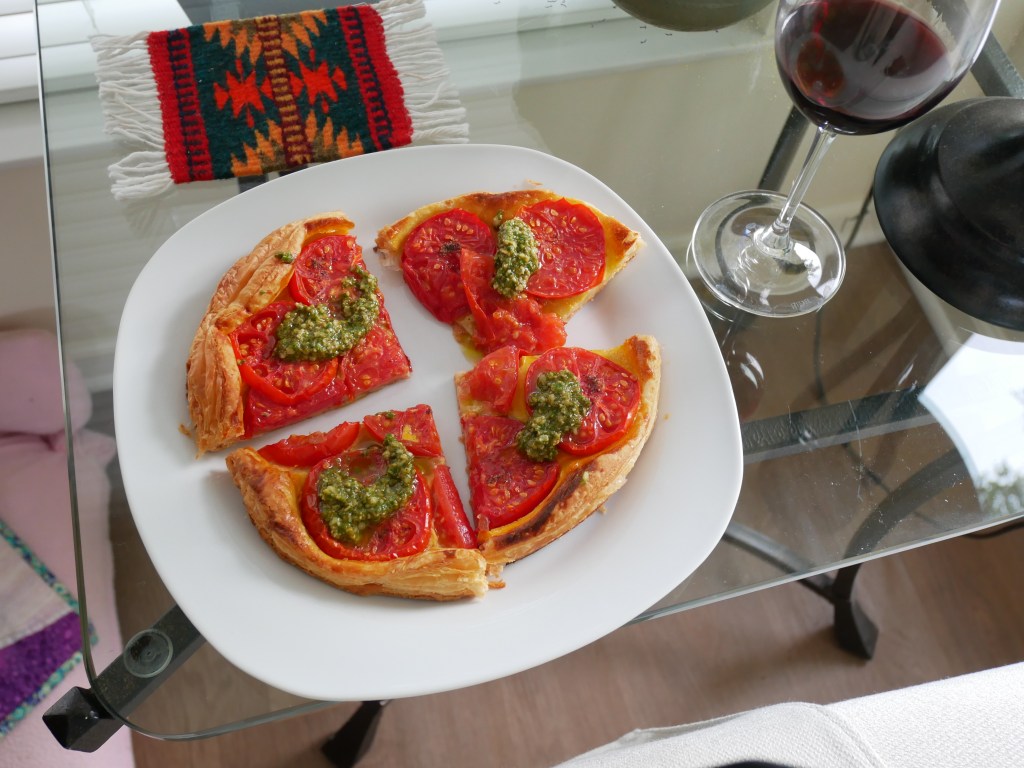
And we pick the last of our tomatoes
There have been so many we’ve had to be creative
And so, we say goodbye to summer with our tomato pie. We are grateful for what nature has given and what it promises for next year, acutely conscious of the human tragedies in which these simple joys and hopes are out of reach.

















 The Final Stretch