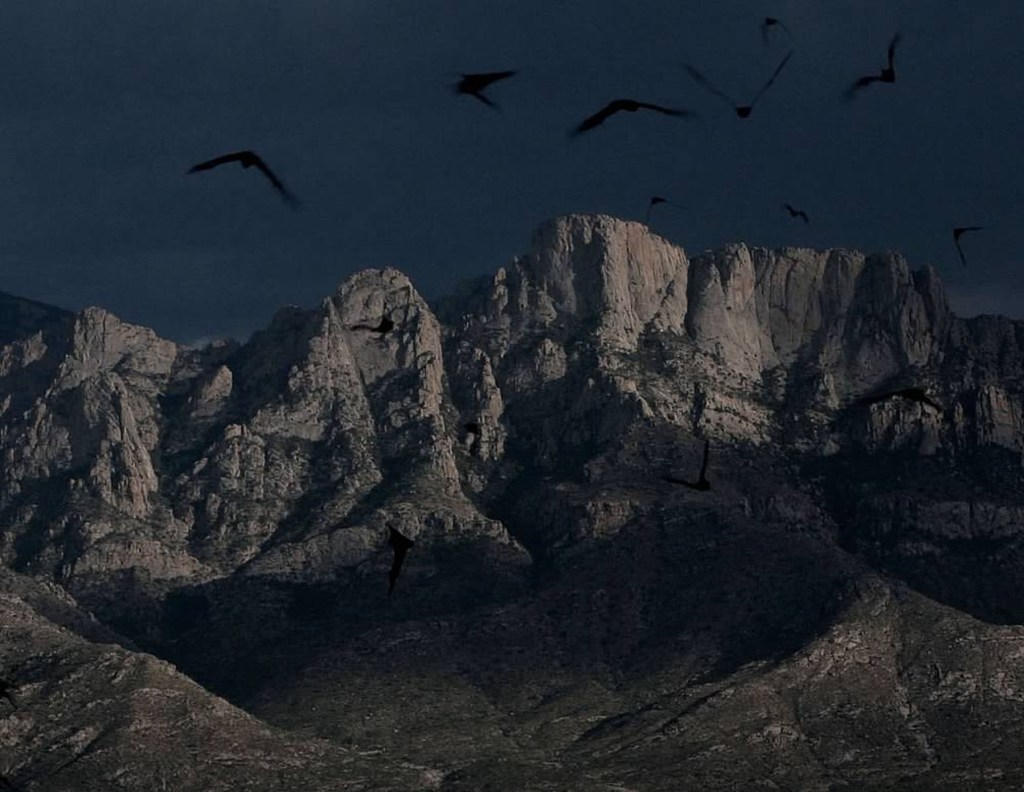
This is the thin time in desert’s diaphanous dusk when blackened shapes stand stark against a liquid sky faintly marked by the early evening star pinning night’s silk shroud over a dying day.
This is the thin time in twilight’s warp when bats come out to fly. Like shuttles weaving frantically, they stitch up vespers veil and pick at threads of memories embroidered long ago in the fraying fabric of a slowly fading mind.
This is the thin time between the chatter of the quail and the coyote’s fearful cry when our gilded mountains turn their greasy grey and I slip quietly into darkness at the dying of the day.
She broke away from our table in Piraeus to dance to the Bouzouki at the café on the bay.
She was drawn by the music, by the taught metallic beat, of the Kalamatianos with its diastolic flow, the flywheel of a watch, moving clockwise, anticlockwise to the heartbeat of the dance. Arms entwined, all were one like a crab from the Aegean scuttling, scuttling to the pulse. And I loved her as she laughed in white cottons bought in Naxos as her scarf from Santorini scattered colors in the air, and she danced the Syrtaki as if no-one else was there. And I watched as if forever, loving voyeur lost in time, like a painter freezing motion in an icon byzantine.
And though the music’s ended, my Athena is still dancing, dancing, dancing, dancing across the canvass of my mind.
Left: M31, Spiral Galaxy in Andromeda Right: Gastropod exoskeleton, Sanibel Island
Seashells are the exoskeletons of mollusks such as snails, clams, and oysters. They have three distinct layers and are composed mostly of calcium carbonate with only a small quantity of protein. These shells, unlike typical animal structures, are not made up of cells.
I picked up the shell shown above on Sanibel Island. It is the exoskeleton of a gastropod, more commonly known as a snail, and is part of a large taxonomic class within the phylum Mollusca. The class includes many thousands of species of sea snails, as well as freshwater snails, limpets, and land snails, second only to the insects in overall number. The fossil history of this class goes back about 500 million years. There are 611 families of gastropods known, of which 202 are extinct and appear only in the fossil record. They are the most highly diversified class of mollusk with 60,000 to 80,000 living species.
Often, I look up and marvel at the Milky Way, its 400 billion stars, and the galaxies beyond, the faint smudge of Andromeda. Today, I look down and marvel at the beauty of a very small part of the Milky Way: The delicate exoskeleton of a snail.
Calm is the soul that is emptied of all self, In the eternal moment of co-inherence. A happiness within you – but not yours.
On the right: Lilian picked four peony blossoms from the bush outside the bedroom window and put them in a vase. I photographed them against the backdrop of flowers in the bush from which they had been picked. I could not remember ever having taken a similar photograph before.
On the left: Quite by accident, I came across this earlier photograph. It shows the peony blossoms outside the window although, because the image is intentionally indistinct, the flowers could just as well be inside the window. The photograph was taken almost a full year before the second photograph on the right.
Does not remembering the earlier image mean that one is living in the moment? Then, some loss of memory can be good.
The image on the right is delicate, almost fragile. That is how life sometimes is. On the left, the image is dark and indistinct but, if we look carefully, we see how the sunlight has caught the top of the flowers. We, too, are sometimes caught by passing light.
I now remember that the peony is an early bloomer: An early splash of color in an otherwise still green garden. And I remember that it doesn’t last long. It is here in the moment and then it’s gone. Like us.
Left: Mango Tree & Music Right: Lilian, South Africa, 1972
Resurrection
My girlfriend liked Mahler, his second symphony: She listened to it often, so I did too. It made her think of the child she lost. It made me think of her, so I bought the record for myself and played it looking out of my apartment window at a mango tree. I thought, ‘this is the only place in the universe where Mahler’s music floats among the branches of a mango tree.’ The Resurrection is what they call the Second. These long years later, I listen to it, and every time I feel her pain, and watch the mangos as they slowly ripen.
The Cleveland Orchestra owns the only complete, original, handwritten score of Gustav Mahler’s Symphony no. 2. Mahler wrote it between 1888 and 1894 in his characteristically bold musical script, mainly in intense black ink, with some parts in brown or violet. It is a working manuscript with inserted leaves, corrections, deletions, and revisions. It was purchased by Herbert Kloiber, a trustee of the Cleveland Orchestra, for about $6 million in 2016 and donated to the orchestra.
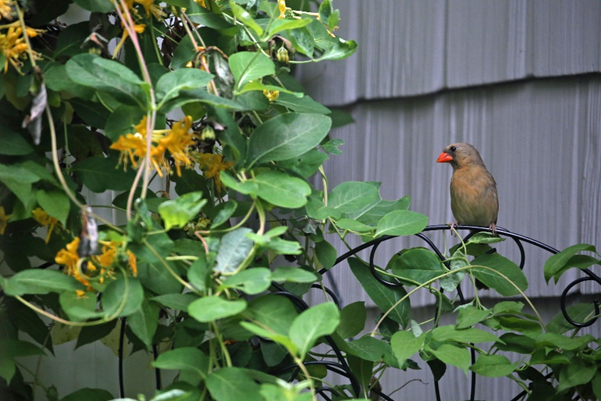
Once or twice every few weeks, I record something in my View from the House file. Just a few lines. Sometimes, it might just be a cloud, or a full moon shining through the branches of an oak in winter, or workers on the street. Yesterday, I wrote about the female cardinal feeding her chicks.
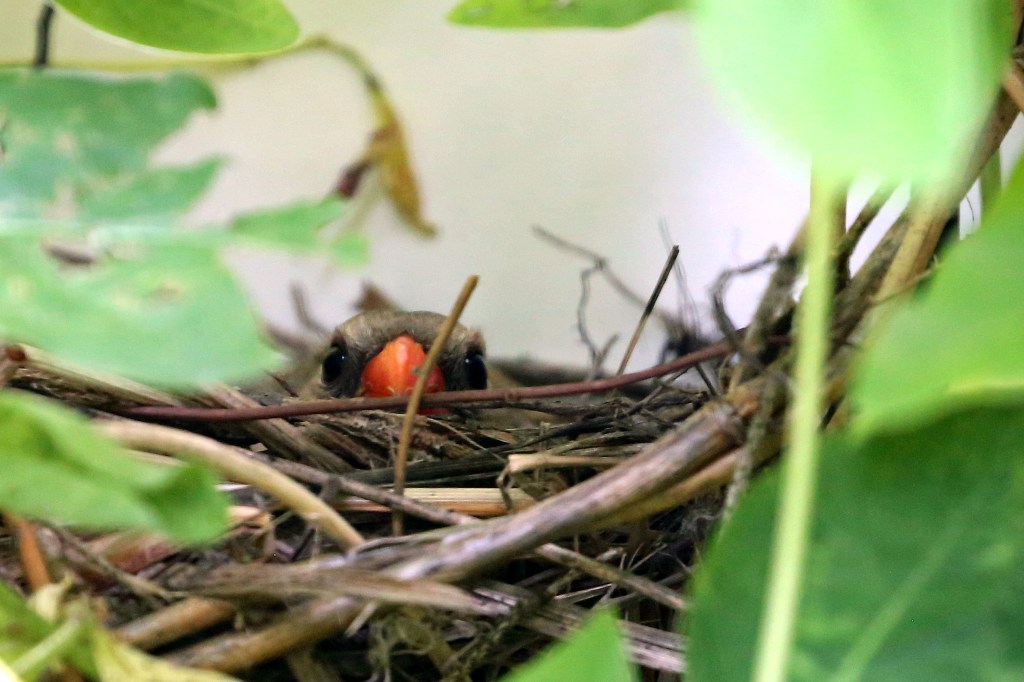
Mid-morning, a female cardinal flies in and out of its nest in the trumpet vine outside the sunroom window. There are three chicks, not yet ready to fly.
In the early evening, a snapping turtle struggled up the small embankment from the creek behind the house. As the creek would soon be dry now that the rain has ended, I carried it down to a nearby pond where it scrambled into the vegetation in the shallow waters. Snapping turtles are territorial by nature. Something to think about as the turtle disappeared from view.
Eighty years ago, my mother dedicated me to Our Lady of Perpetual Succour whose icon is on the left. In the Eastern Orthodox Church iconography, the image is known as the “Virgin Theotokos of the Passion.” This 15th century Byzantine portrayal of Mary has been housed in Rome since 1499.
I bought the Zulu sculpture on the right more than forty years ago during the Apartheid era. It isn’t a joyful sculpture of mother and child but, instead, a sad image of the oppressed. One can only gaze at it, speechless.
And now we have Gaza, Syria, Sudan, Ukraine, Haiti and more. Men killing women and children.
As I look out the window, a bird, a female cardinal, sits safely in her nest patiently waiting for her eggs to hatch.
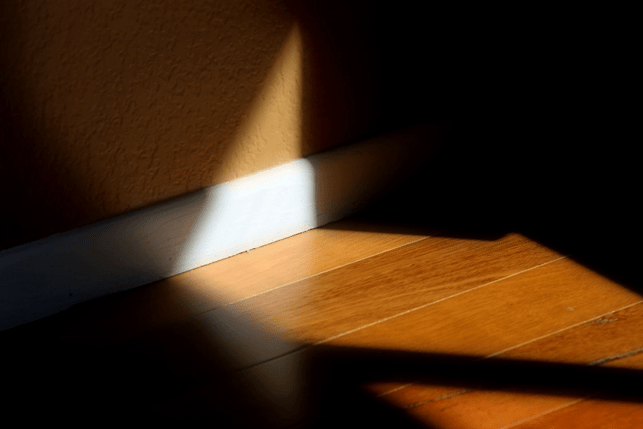
Starting here, what do you want to remember? How sunlight creeps along a shining floor? What scent of old wood hovers, what softened sound from outside fills the air?
Will you ever bring a better gift for the world than the breathing respect that you carry wherever you go right now? Are you waiting for time to show you some better thoughts?
When you turn around, starting here, lift this new glimpse that you found; carry into evening all that you want from this day. This interval you spent reading or hearing this, keep it for life –
What can anyone give you greater than now, starting here, right in this room, when you turn around?
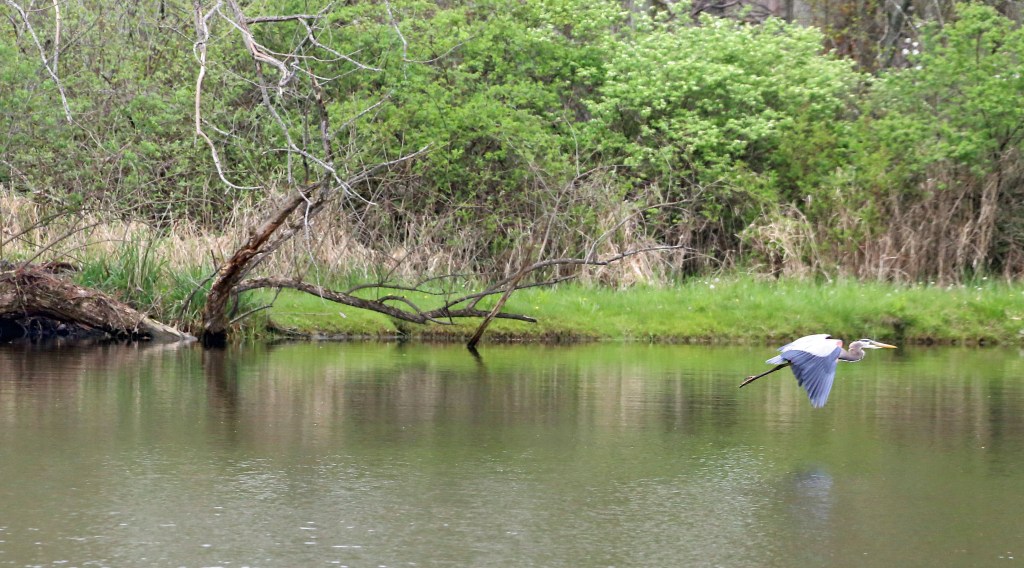
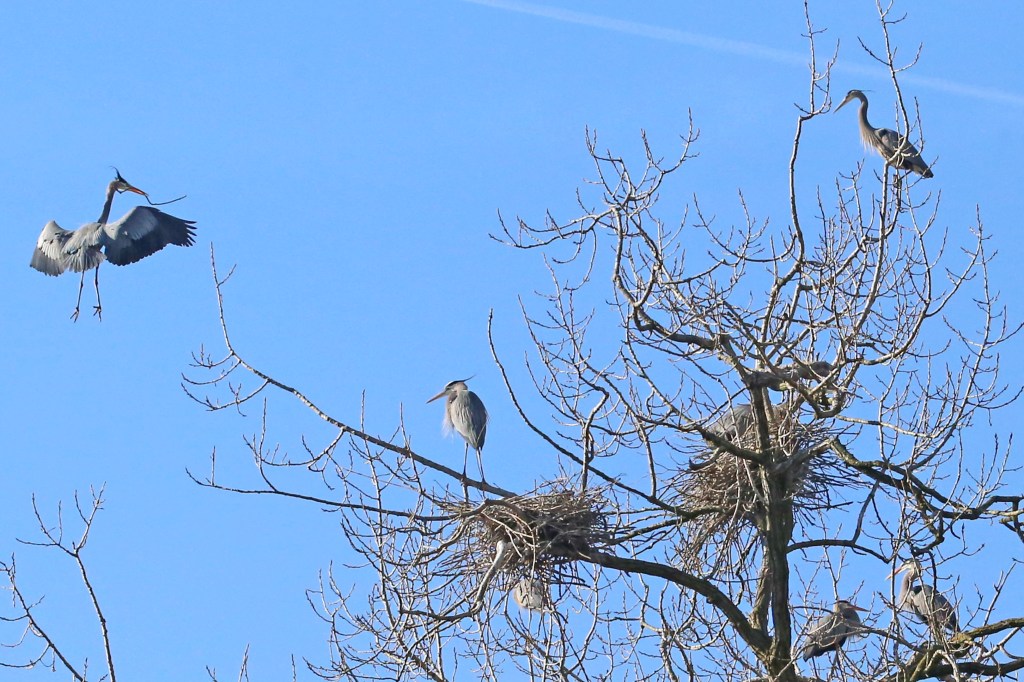
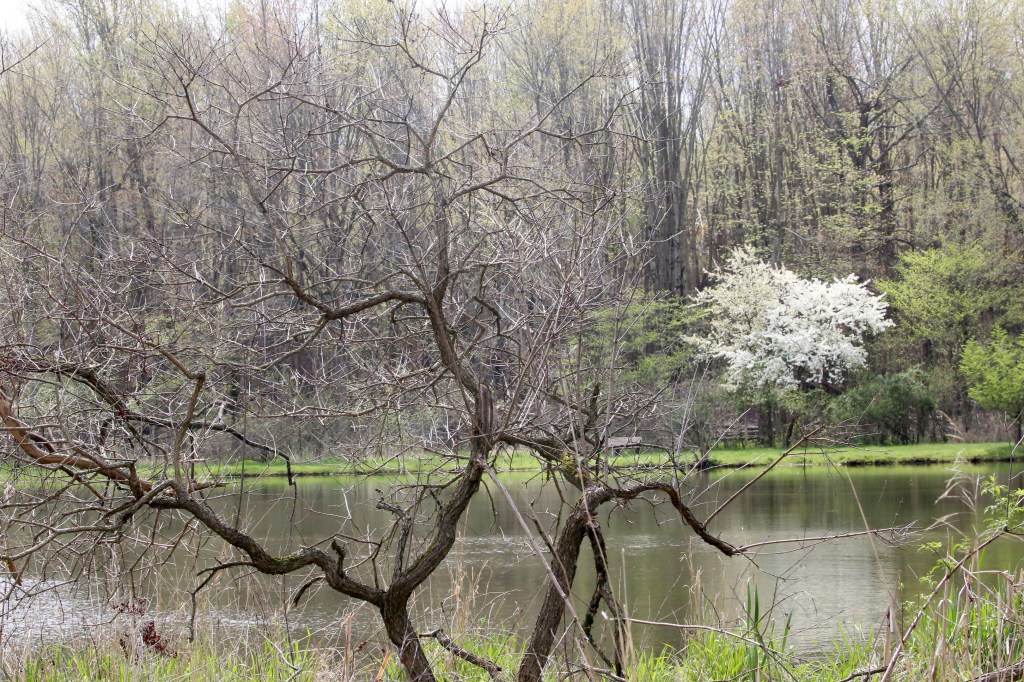
The rain has stopped on a warm spring day and it’s a good time for a walk to the lake and forest just five minutes from home. The Great Blue Heron sees me coming and, quietly lifting its body into the air, flies low above the water to a tree on the other side of the lake. I remember visiting its breeding place not far away where with more than ten other heron pairs it built its nest.
On the far side of the lake, a flowering pear tree joins in the celebration of spring
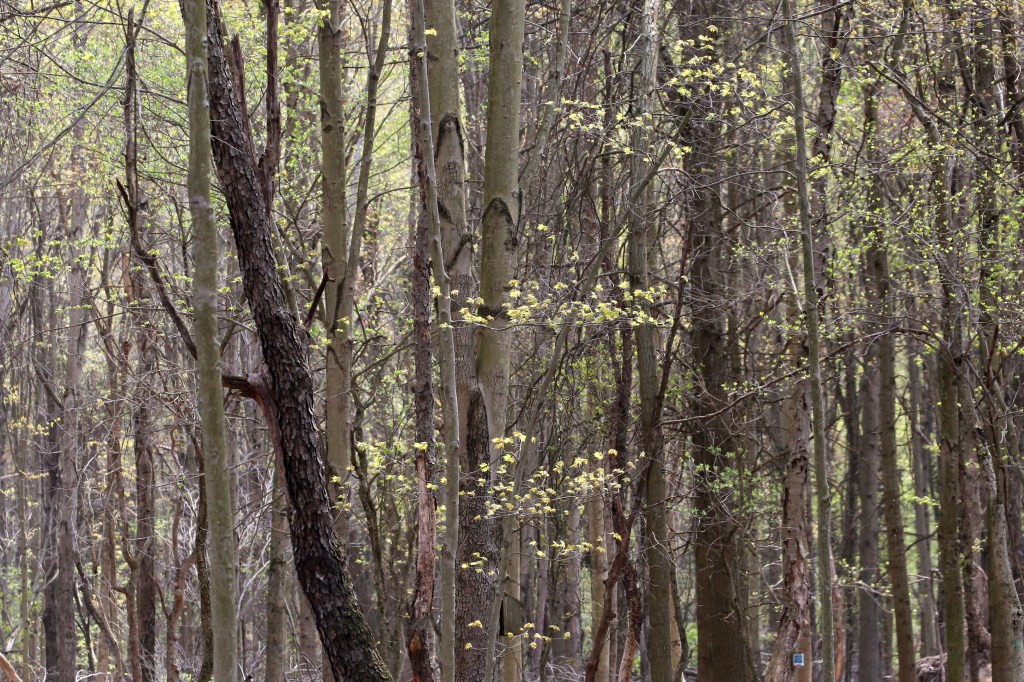
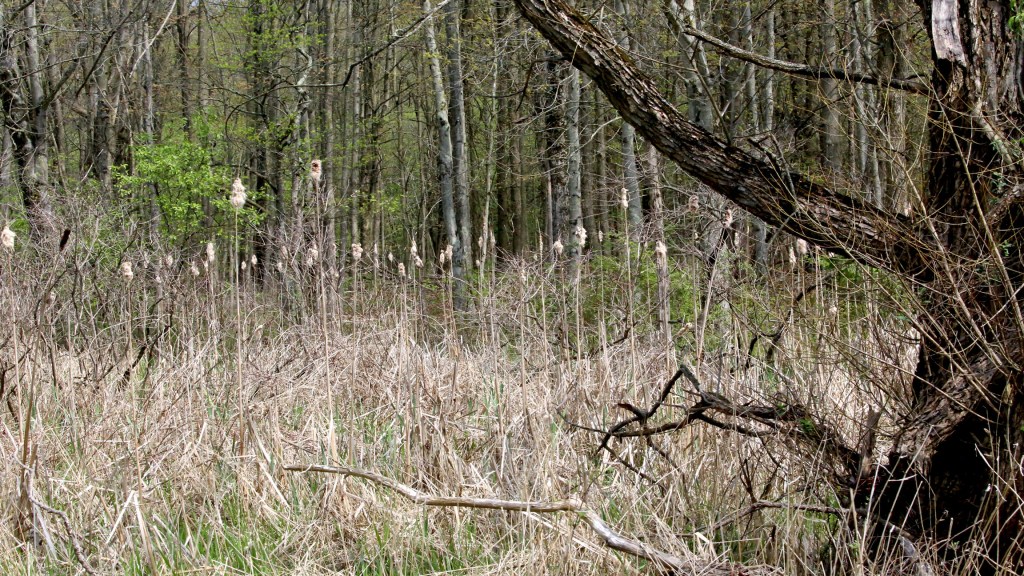
And beyond the lake, leaves begin to bud in the forest
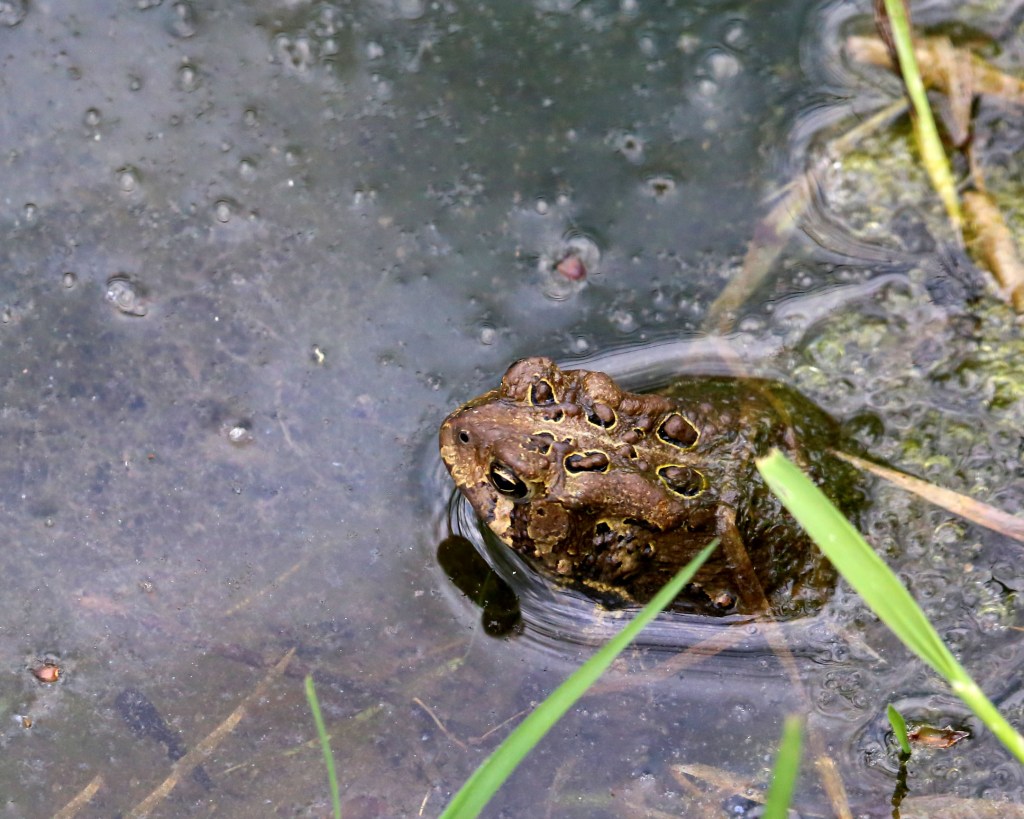
Croaking sounds break the stillness by the lake’s edge: First, at my feet. Then further down the creek. Looking down, I see a large American Toad.
Then, not far away, the smaller Eastern American Toad.
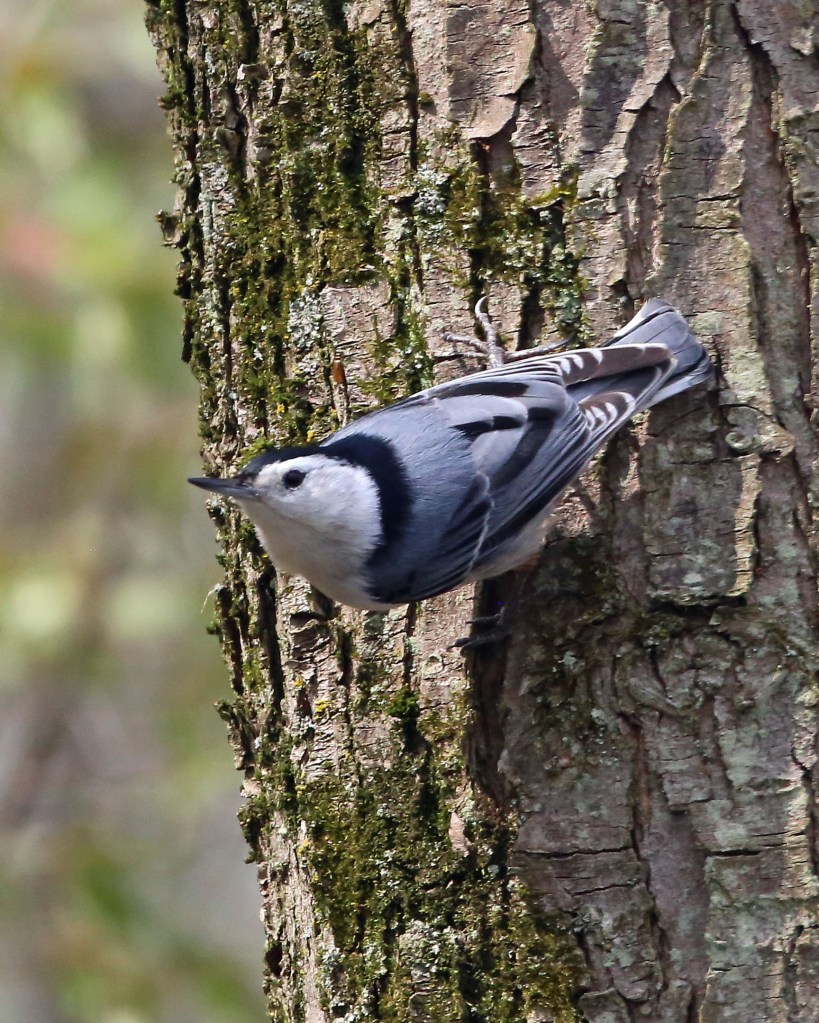
In the forest I notice the quick movement of a bird as it flits from one tree trunk to another. For a moment it pauses nearby. A White-breasted Nuthatch.






 The Final Stretch