Unknown's avatar

Posts by John

A very old curmudgeon for whom home is a distant memory.

The Question

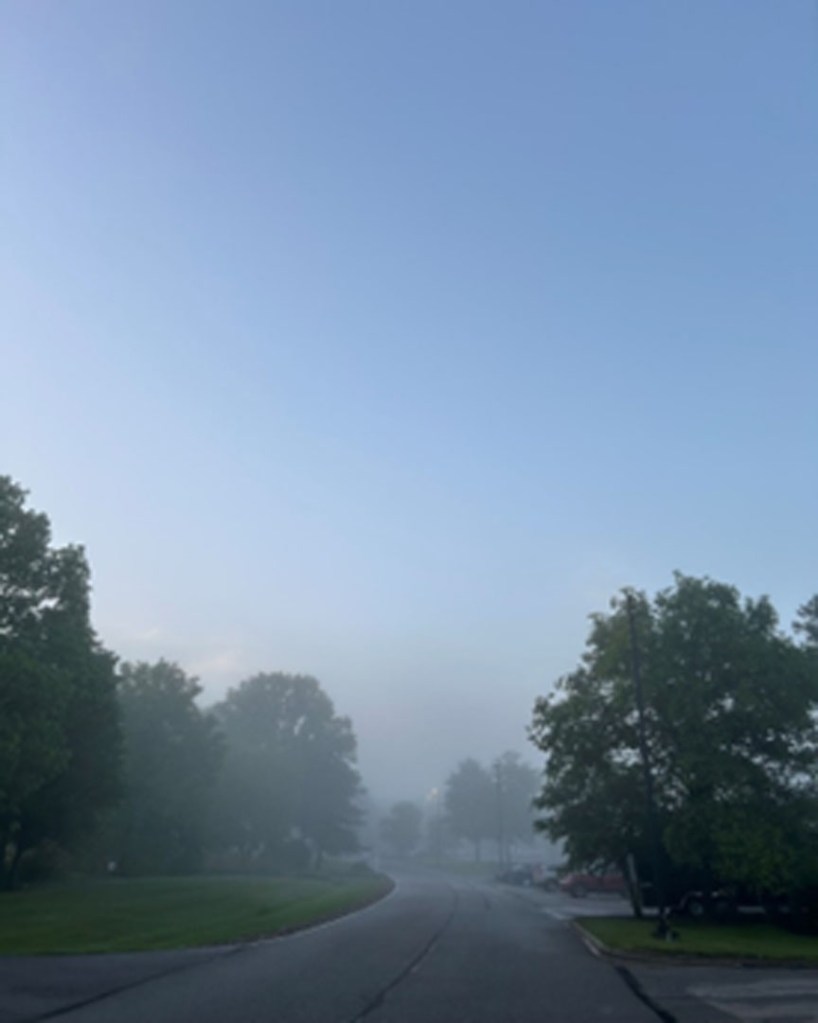
Thoughts on an early morning walk

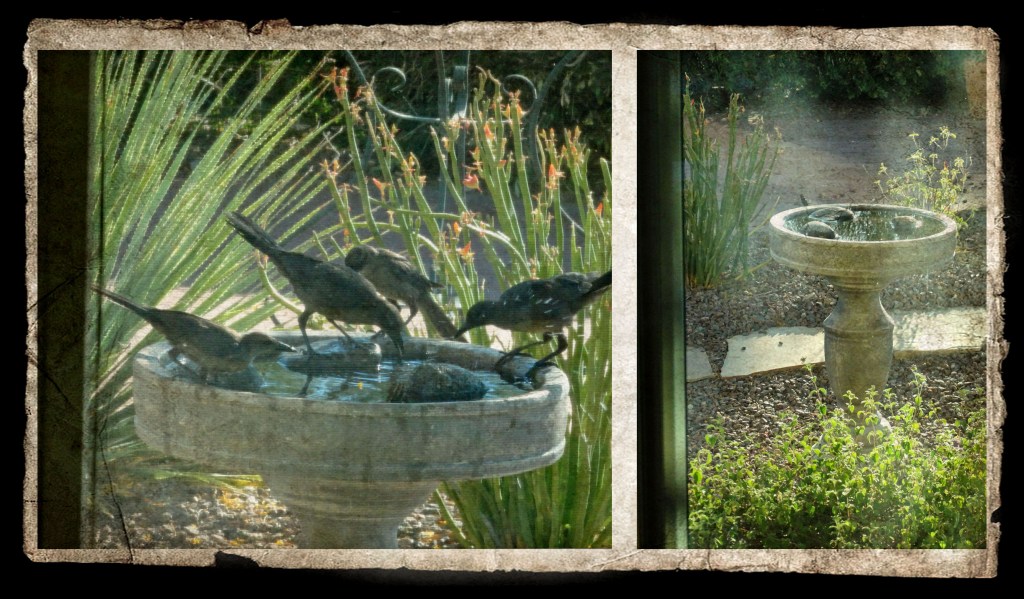
As one ages, one seems to turn increasingly inwards: Catching images from the past that fall like confetti in a random scattering of faces, places, shapes and colors, tastes, smells and sounds. And I wonder about the purpose of it all, about the purpose of my life and the lives of parents, grandparents, siblings, nephews and nieces as images of them float by; lives so full, marked by pain and pleasure, fear and fulfilment, boredom and excitement; lives once so important to them yet gone, seemingly in an instant. Gone like the birds that built their nest in the vine outside our window last spring and gone like their chicks who survived to repeat the cycle. Gone like the squirrels and chipmunks urgently storing food for winter.

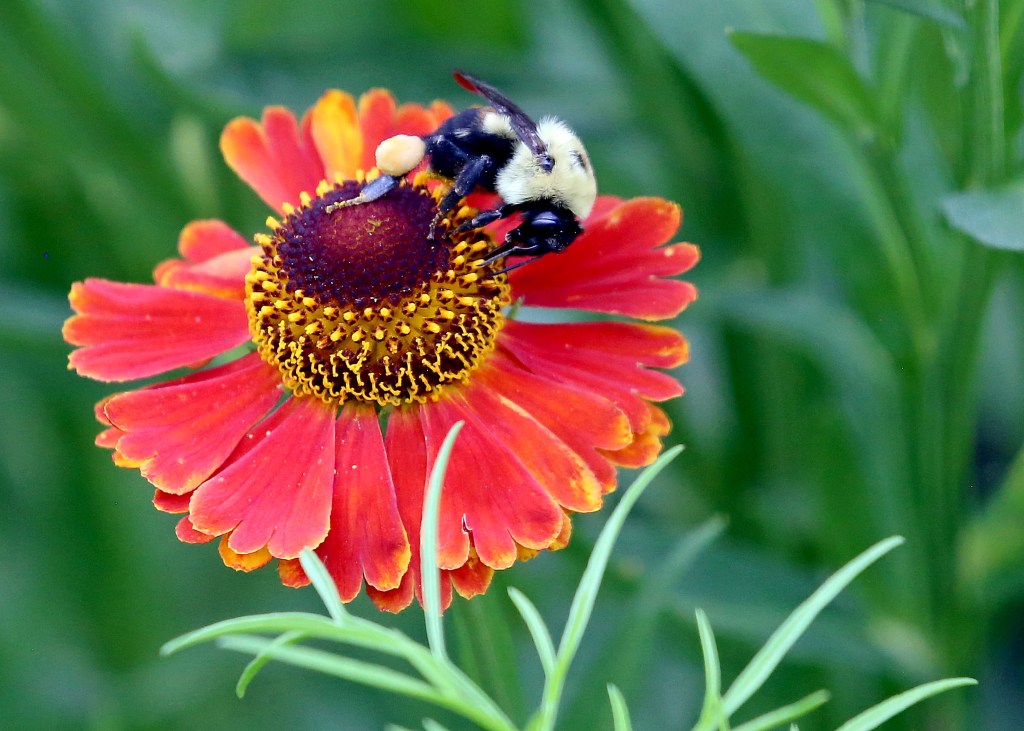
And I remember catechism classes taught by my teachers, the Irish Christian Brothers in Pretoria where the Jacarandas bloomed each spring: “Why did God make you?” “God made me to know, love and serve Him in this world and be happy with him forever in the next.” There wasn’t a question in the catechism asking why God made sparrows. So, I don’t know the answer to a question that wasn’t asked. And the Christian Brothers came to South Africa from Ireland in 1897, interlopers, about the same time Jacaranda trees were imported from Brazil. Interlopers. And the bees still buzz among the Jacaranda blossoms and the school is now coeducational and multi-racial, and the Christian Brothers have gone, and my grandfather who once was a Christian Brother died seventy-eight years ago. And the question remains: “To what end? For what purpose? And does any of this matter; not in the abstract, but to MY wife, to MY children, or to anyone? And should I apologize for using the possessive MY? Is anything MINE? I remember my Irish grandfather, though I scarcely knew him. Those who knew him well – his wife the tennis-playing homemaker, his father the farmer, his mother whose place was in the kitchen, his sons, a lawyer and a doctor, his brother, the well-known cleric who sent him shamrock from Ireland each March– all have died, while I remain the last embodiment of a memory that is all that is left of him. When I die, all memory will be gone as if he never existed. And the bees whose habitat is at risk will still buzz among the Jacaranda blossoms in Pretoria for a while to come. Which will be the first to end, the sound or the memory? Does it matter?

Does it matter? This, perhaps, is the most important question. And, as my early morning walk ends, it is a comfort to suddenly realize that the answer doesn’t matter.

Love Sonnet for a daughter

Lake Ontario shore, 2007

When summer joy has been in short supply
and cloudy days outnumber all the rest,
is it some lingering loss, a love denied,
or sun’s sad absence puts us to the test?
Perhaps no longer have we a claim on bliss,
our once new loves since lost with passing time
and youth’s achievements hidden in the mist
of long-forgotten days like last year’s wine.
But something sadder still is cause of pain
if joy of those we love is our joy’s measure:
It’s love itself our loved one cannot find
that makes us settle for more modest pleasure:
A cup of tea, some melody, a gentle frame of mind,
a prayer our love by love one day is found.

Ten years later, an answer to prayer. And the sun still shines.

Weekend Music

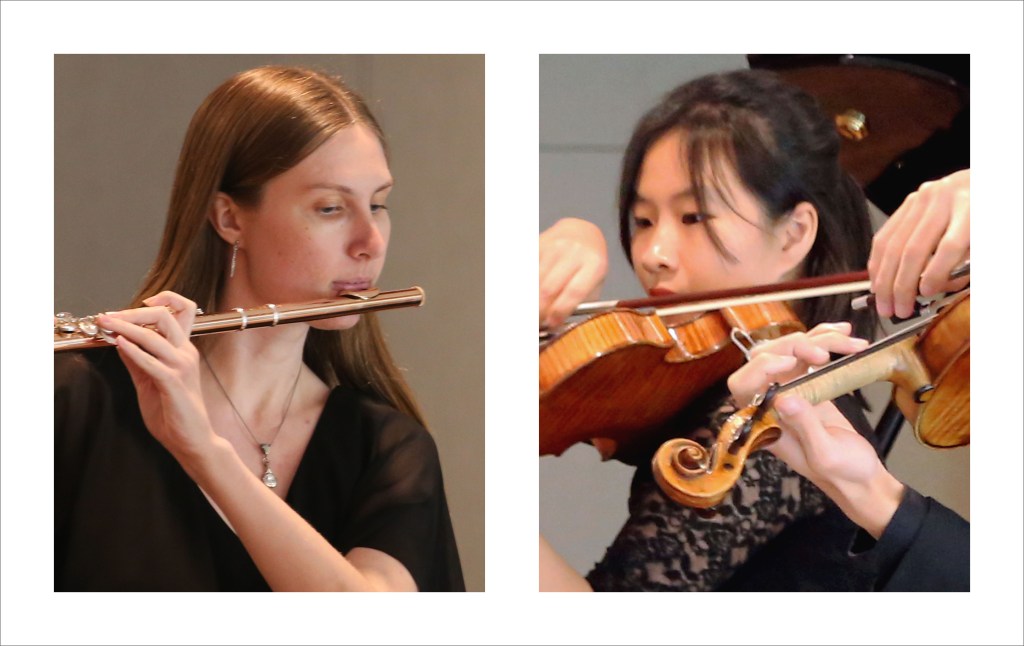
Some student musicians were kind enough to visit our community during a local music festival and play for us. It was a perfect way to spend a summer afternoon, and a reassuring message about the hard work, talent and generosity of many young people today.

Then I saw a young man in the audience in front of me scrolling on his iPhone. “Oh no,” I thought. “This is a sad commentary on the youth of today.” Then I looked more closely:

He was following the score. My faith was restored.

Earlier that weekend, I had read a blog post that beautifully described a fig tree. A folksong about a walnut tree came to mind, a memory of at least ten years ago, and I spent a lot of time trying to find it on the internet. Success! Here are Luciano and Fernando Pavarotti singing La Giana with the Rossini Chorale of Moderna in 1990.

The Song of a Bird

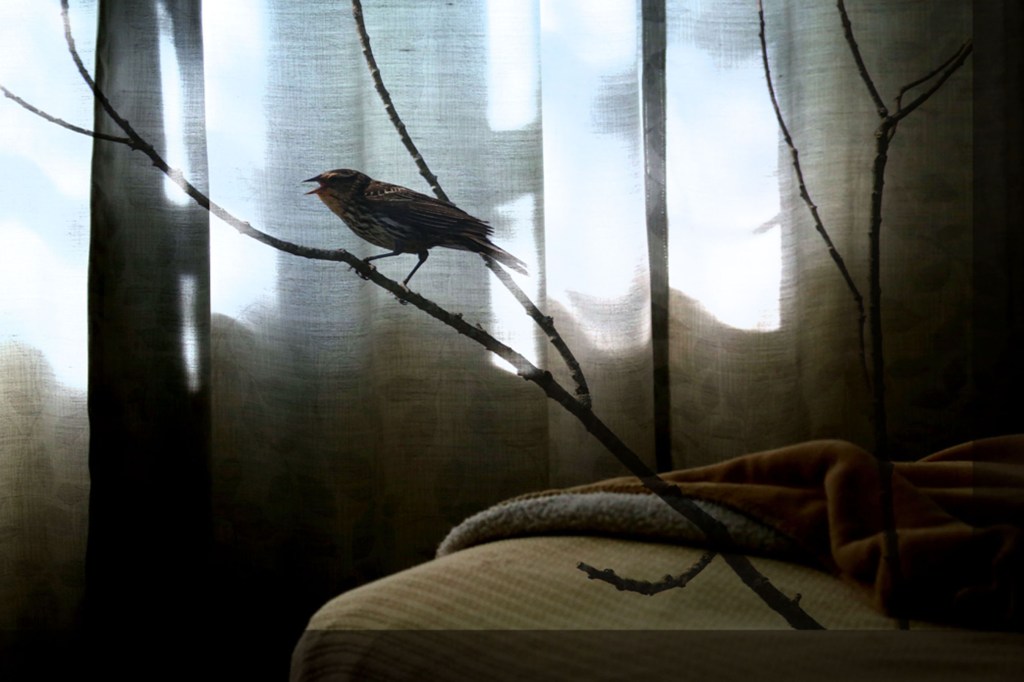
Perhaps one shouldn’t write about the song of a bird. Certainly not a poem. The birdsong is enough.

And yet, I’m compelled to share my early morning experience, walking under the trees in the half-light before sunrise last spring under the dark shapes of maple, oak, and fir. I couldn’t see any birds but I heard them, above and on the sides. Different sounds, males calling females and birds claiming their territory. For a moment I was pulled into another world. A world bursting with joy and with life.

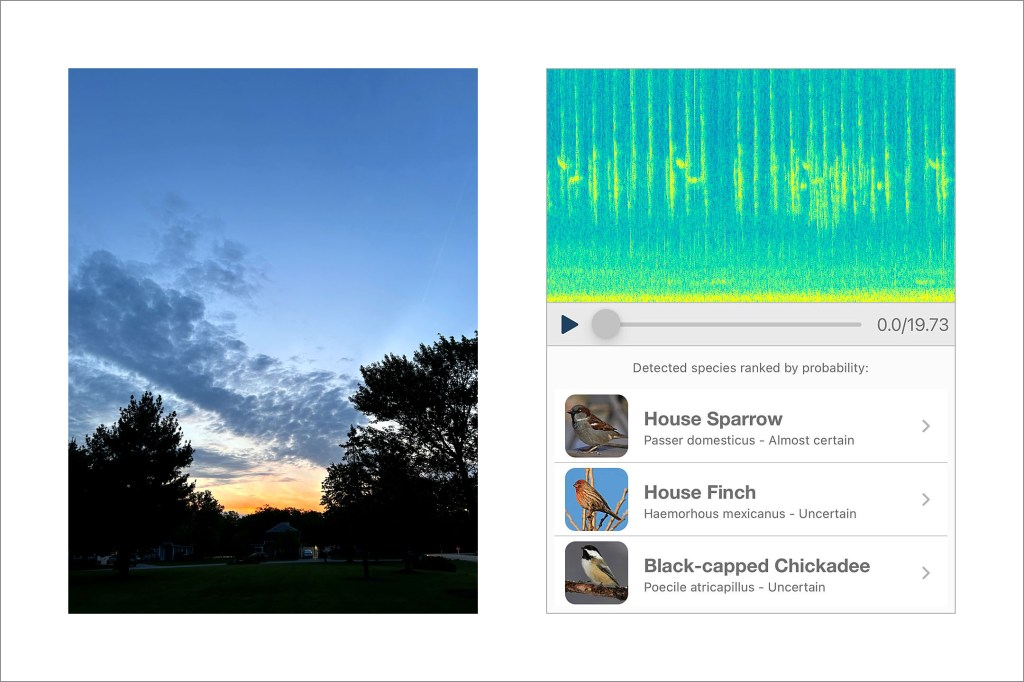
I had my phone with me and I photograph the sky as if to say, “I see you”. Then I recorded the birds singing, as if to say “I hear you.” There was a magic dialogue.

The phone then analyzed the sounds and gave me a report. The spell was broken. Technology should have no place in the contemplative experience, at least not for this eighty-two-year-old.

Notes while listening to Tchaikovsky’s Sixth

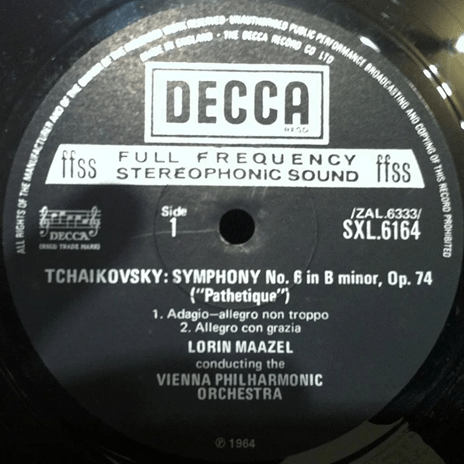
The first record I ever bought was a recording of Tchaikovsky’s Symphony #6. It was 1968, and I found myself alone in Pretoria, South Africa. I listened to the music on a cheap stereo record-player. I heard it on the car radio a few days ago. It took me back to those years in the late 60’s. The brooding music resonated deeply. I was lonely then, in an inarticulable way. I had chosen that life and so the music simply described what I had chosen.

Several years later, my mood had changed as I listened to Tchaikovsky: Not his Sixth, but Swan Lake. I had met a woman who introduced me to the ballet. We listened to it together. I found the music liberating. Both set me on a new path.

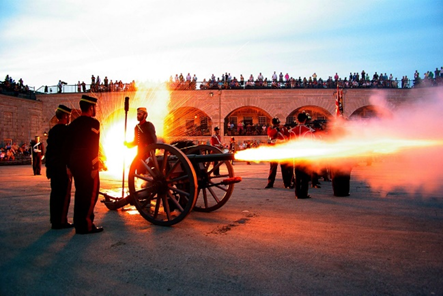
The path, a long one, took me to Kingston, Ontario, to the shores of the St. Lawrence River and Fort Henry in Canada, a fortification constructed during the War of 1812 to protect the Kingston Royal Naval Dockyard on Point Frederick from a possible American attack.

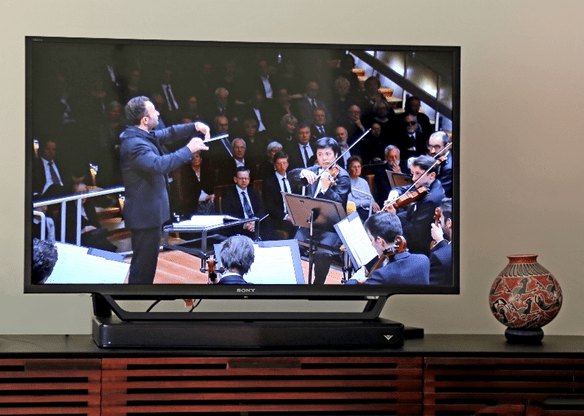
Year after year, we would take our children to a Sunset Ceremony at the fort for a performance of Tchaikovsky’s 1812 Overture, complete with canon, that temporarily obliterated any recollection of the Pathétique or Swan Lake. But today, the memories return and, with the help of the internet, I access a 2017 performance of the Sixth under the baton of Kirill Petrenko and, in our living room a long way from the little parish rectory in South Africa, I watch and listen to the Berlin Philharmonic.

And so, I listen once again to the Sixth as I type these notes and learn that Tchaikovsky died at age 53, just nine days after he conducted the premiere of his final symphony in 1893 in St. Petersburg.

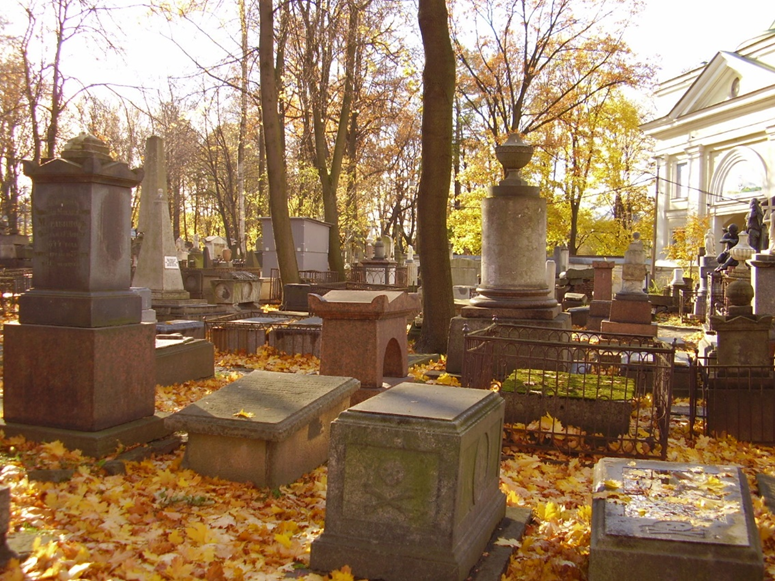
And here he lies with his sadness and his secrets on a sunny autumn day with Alexander Borodin, Mikhail Glinka, Modest Mussorgsky, Nikolai Rimsky Korsakov and Mily Balakirerv.

When Bats Come Out To Fly

This is the thin time
in desert’s diaphanous dusk
when blackened shapes
stand stark against a liquid sky
faintly marked
by the early evening star
pinning night’s silk shroud
over a dying day.

This is the thin time
in twilight’s warp
when bats come out to fly.
Like shuttles weaving frantically,
they stitch up vespers veil
and pick at threads of memories
embroidered long ago
in the fraying fabric
of a slowly fading mind.

This is the thin time
between the chatter of the quail
and the coyote’s fearful cry
when our gilded mountains
turn their greasy grey
and I slip quietly
into darkness
at the dying of the day.

Memory of a Dance

She broke away
from our table in Piraeus
to dance to the Bouzouki
at the café on the bay.

She was drawn by the music,
by the taught metallic beat,
of the Kalamatianos
with its diastolic flow,
the flywheel of a watch,
moving clockwise, anticlockwise
to the heartbeat of the dance.
Arms entwined, all were one
like a crab from the Aegean
scuttling, scuttling to the pulse.
And I loved her as she laughed
in white cottons bought in Naxos
as her scarf from Santorini
scattered colors in the air,
and she danced the Syrtaki
as if no-one else was there.
And I watched as if forever,
loving voyeur lost in time,
like a painter freezing motion
in an icon byzantine.

And though the music’s ended,
my Athena is still dancing,
dancing, dancing, dancing
across the canvass of my mind.